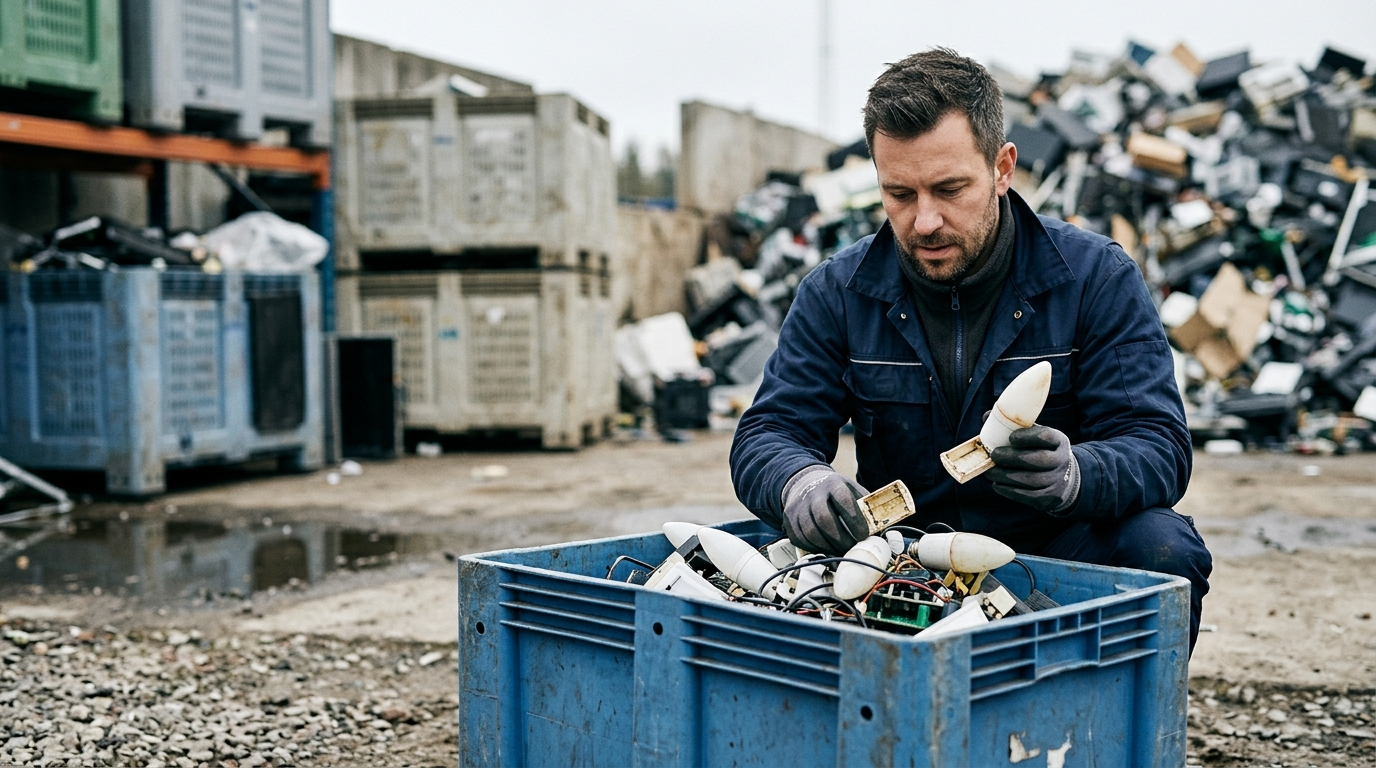
The UK Product Safety Alerts recently reported a safety issue with the Electronic LED Candle Light (model 2604-0157), highlighting potential fire hazards that could affect those involved in electronics recycling and disposal.
Last reviewed by Samantha Holloway on 05 September 2026
How Does This Affect Electronics Recycling?
This alert affects electronics recycling by raising concerns about consumer product safety, which can lead to stricter regulations on how
e-waste is handled. Companies dealing with LED products must now be more vigilant about identifying faulty items.
The UK Product Safety Alerts issued a warning regarding the Electronic LED Candle Light (2604-0157), noting potential fire hazards associated with these devices. This alert highlights the importance of proper handling and disposal practices in electronics recycling to ensure public safety.
According to the UN Global E-Waste Monitor 2024, global e-waste amounts to 62 million tonnes per year, only 22.3% of which is formally recycled worldwide. This statistic highlights the scale at which such alerts can impact the industry. Proper identification and segregation of hazardous products are important.
According to the UN Global E-Waste Monitor 2024, only 22.3% of e-waste was properly collected and recycled in 2022.
What Are the Specific Risks Associated with the LED Candle Light?
The risks associated with this model include potential overheating, leading to fire hazards. Consumers using these devices could face serious safety issues if not properly informed.
Specific risks for consumers include overheating due to malfunctioning circuits or batteries within the device. Overheating can cause fires, posing significant dangers in homes and businesses.
What Steps Should Electronics Recyclers Take?
Electronics recyclers should take immediate steps to identify and isolate any units of this model that they receive. They must also inform stakeholders about the risks involved.
Recycling facilities need to implement checks for specific models like the Electronic LED Candle Light (2604-0157) to ensure safe handling practices. This includes educating employees on recognizing and safely disposing of potentially hazardous items.
What Are the Broader Implications for E-Waste Management?
The broader implications include increased scrutiny over e-waste management processes, especially in identifying and segregating faulty or dangerous devices before disposal.
Increased scrutiny means that electronics recyclers must adhere to strict protocols when dealing with products like LED candles. This includes compliance with regulations such as the
[WEEE Directive](/regulations/weee-directive-eu) in Europe.
What Can Consumers Do?
Consumers should check their homes for this specific model of LED candle light and discontinue use if found. They can also report any issues directly to consumer protection services.
Reporting mechanisms exist through local authorities or via online platforms dedicated to product safety alerts, ensuring that faulty products are removed from circulation safely.
What Are the Regulatory Implications?
Regulatory bodies may introduce stricter guidelines for labelling and disposing of electronic devices to prevent such incidents in future. This could involve more rigorous testing requirements.
Stricter guidelines will likely require manufacturers to include clear warnings about potential hazards on product packaging. Recycling facilities must also follow new directives closely.
What Is the Impact on Public Safety?
Public safety is important, especially concerning fires caused by malfunctioning electronic devices. Recyclers need to prioritize identifying and safely disposing of these items.
Safety measures in place will likely involve additional training for staff involved in handling e-waste. This ensures that everyone understands how to identify risks and respond appropriately.
What Are the Long-Term Consequences for the Industry?
Long-term consequences may include higher operational costs due to increased testing and compliance requirements, but also potential legal liabilities if proper safety measures aren't followed.
Higher operational costs will challenge recyclers to find cost-effective solutions while maintaining high standards. Legal liabilities could involve fines or lawsuits if companies fail to adhere to new regulations.
What Should Recyclers Do Now?
Recyclers should review their current practices and update them to align with the latest product safety guidelines. Training staff on how to identify hazardous items is important.
Updating practices involves regular training sessions for employees, implementing stricter checks during intake processes, and ensuring compliance with all relevant regulations.
Sources
- UN Global E-Waste Monitor 2024
- Consumer Technology Association
- Counterpoint Research