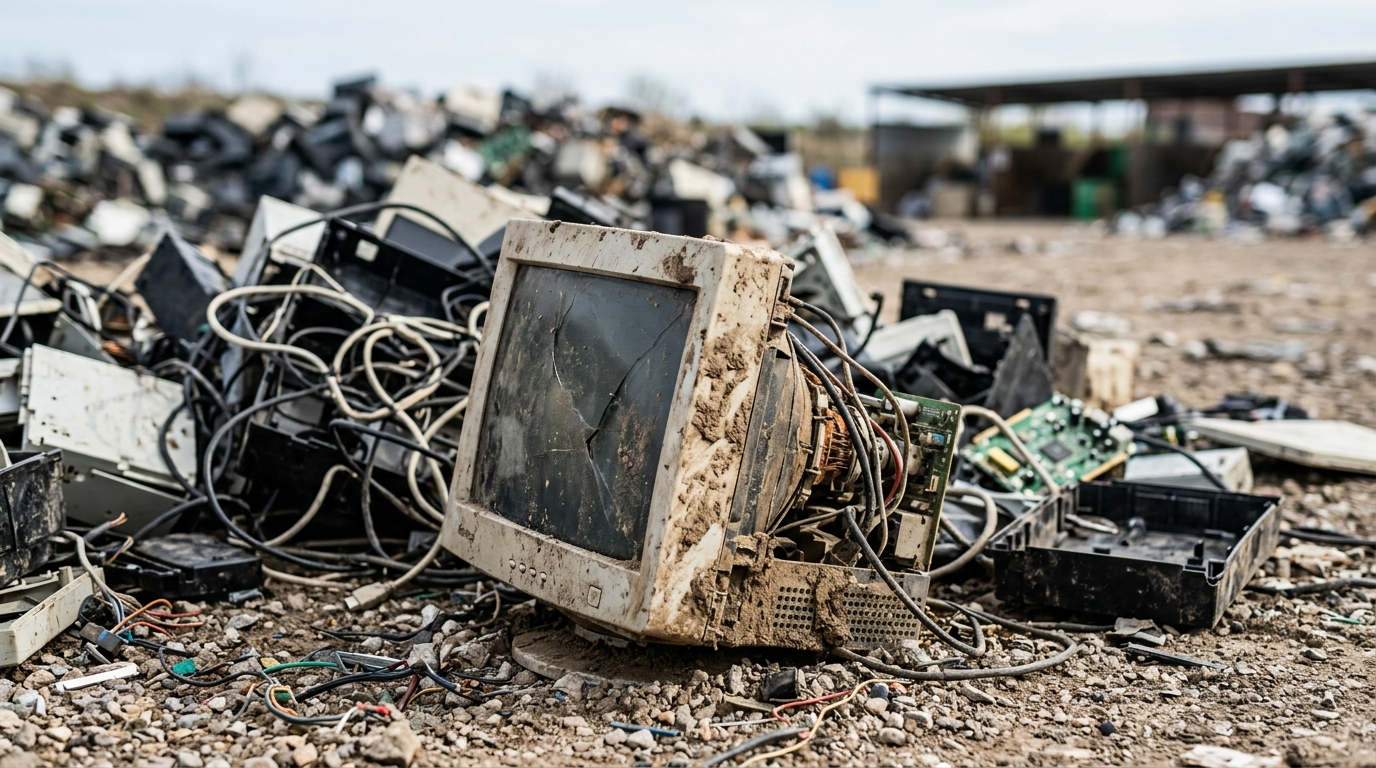
Operation Unite: Nationwide crackdown marks a new phase in the fight against waste crime, targeting illegal e-waste disposal sites across the UK. Operation Unite: Nationwide crackdown marks new phase in fight against waste crime This initiative is important for electronics recyclers and anyone concerned with proper e-waste management as it aims to curb the mismanagement of electronic devices that could otherwise harm both the environment and public health.
Last reviewed by Samantha Holloway on 25 July 2026
What Does Operation Unite Mean for E-Waste Management?
Operation Unite marks a significant step in enforcing stricter regulations on waste crime, aiming to protect the environment from illegal dumping and ensure safer recycling practices. As part of this operation, 42 waste sites were inspected, with 17 permits suspended or revoked, highlighting the scale of enforcement efforts.
According to the European Parliament, less than 1% of rare earth elements in e-waste are currently recycled.
The crackdown not only affects those involved in illegal activities but also sends a clear message to all stakeholders about the importance of following proper e-waste disposal procedures. It highlights the need for compliance with regulations like the [WEEE Directive](/regulations/weee-directive-eu) and RoHS standards to ensure responsible recycling practices.
How Does This Affect Electronics Recycling?
This operation directly impacts electronics recyclers by increasing oversight and enforcement, ensuring that only compliant facilities can operate legally. With 17 permits suspended or revoked during the inspections, it's clear that authorities are serious about holding non-compliant entities accountable. Recyclers must now adhere to stringent guidelines to avoid legal repercussions and maintain their operating licenses.
According to the WEEE Forum, over 5 billion mobile phones were estimated to be sitting unused in drawers worldwide in 2022.
The enforcement also supports the circular economy by encouraging better management of electronic devices throughout their lifecycle. By reducing illegal dumping and promoting legitimate recycling practices, Operation Unite helps preserve valuable resources like gold, silver, and palladium found in significant quantities within e-waste-about 35kg of gold can be recovered from a million phones.
What Are the Legal Implications for Waste Crime?
Operation Unite has legal ramifications that include potential criminal charges and hefty fines for those caught engaging in waste crime. Over 30 criminal investigations have been triggered as part of this initiative, demonstrating the serious consequences faced by violators. This crackdown reinforces the need for compliance with environmental laws such as the WEEE Directive to prevent illegal activities like unauthorized disposal or exportation of hazardous materials.
According to the WHO, e-waste contains over 1,000 different substances, many of them toxic.
The legal framework surrounding e-waste management is becoming increasingly stringent. At Operation Unite: Nationwide crackdown marks new phase in fight against waste crime, violations can lead not only to financial penalties but also to criminal prosecutions, impacting both individuals and businesses operating in the waste sector.
What Are Consumers Expected to Do?
Consumers play a vital role by responsibly disposing of their electronic devices through certified recycling channels rather than discarding them improperly or selling to unregulated collectors. For example, they can take advantage of local e-waste collection events or bring items to authorized collection points as mandated by regulations like the WEEE Directive.
By adhering to these guidelines and ensuring that electronics are recycled properly, consumers contribute significantly to reducing environmental harm and supporting sustainable practices in tech waste management. It's also important for them to stay informed about their rights regarding repair services and product durability under initiatives like right-to-repair legislation.
What Should Businesses Do Now?
Businesses must review their current waste handling protocols to ensure full compliance with all applicable regulations. Including the WEEE Directive and RoHS standards. They should engage reputable recyclers that adhere strictly to environmental guidelines and have valid operating licenses. Additionally, companies can invest in product design improvements that enhance durability and ease of repair, contributing positively to circular economy principles.
Operation Unite serves as a reminder for businesses to prioritize responsible e-waste management practices and avoid legal issues associated with waste crime. By doing so, they not only protect their operations but also contribute to broader environmental sustainability goals.
For more detailed information on e-waste recycling guidelines and best practices, visit our guides on right-to-repair and the circular economy.
Sources
- European Parliament
- WEEE Forum
- WHO