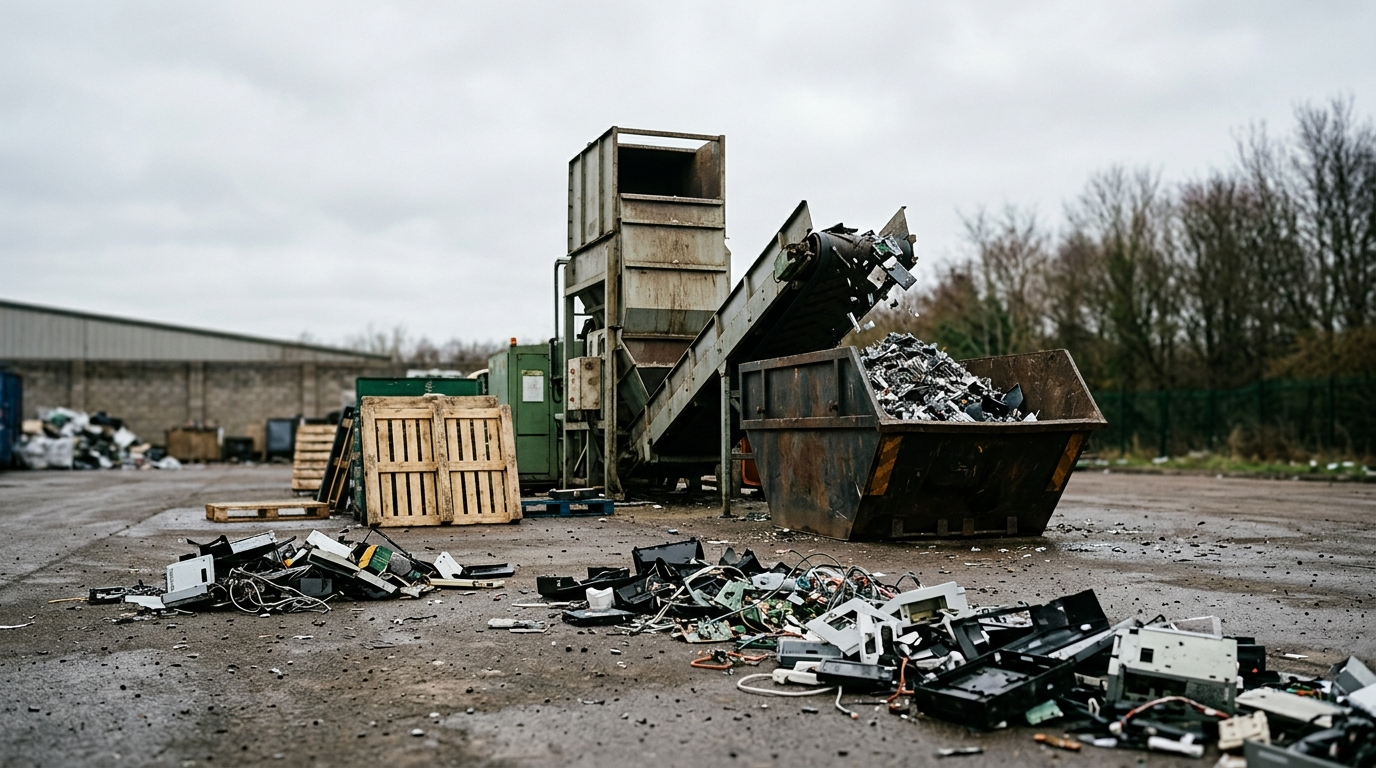
In August 2026, the UK Department for Environment, Food and Rural Affairs (DEFRA) published a report on waste statistics that highlights an increase in electronic waste, highlighting the urgent need for better electronics recycling practices.
Last reviewed by Samantha Holloway on 26 August 2026
What's New in the DEFRA Report?
The latest DEFRA report outlines a rise in e-waste production, with over 2 million tonnes of electrical and electronic equipment discarded last year alone. This data emphasizes the growing urgency for responsible handling and disposal of used tech products to prevent environmental damage and resource depletion.
According to the BankMyCell depreciation tracker, The average smartphone loses 35-45% of its trade-in value within the first year.
Electronics recycling is important now more than ever because the amount of waste generated annually continues to climb. According to the UN Global E-Waste Monitor 2024, globally over 62 million tonnes of e-waste were discarded in a single year, with only about one-quarter (22.3%) being formally recycled worldwide.
How Does This Affect Electronics Recycling?
The increase in e-waste production affects electronics recycling by highlighting inefficiencies and gaps in current disposal methods. For instance, the UK's 2 million tonnes of waste annually means that a significant portion ends up in landfills or incinerators rather than being recycled properly. Effective recycling can recover valuable materials like gold and silver from discarded devices.
According to the UNEP, A single tonne of circuit boards contains 40-800 times more gold than a tonne of ore.
The environmental impact is severe when electronic waste isn't handled correctly. With an estimated one million smartphones containing approximately 35kg of gold, 340kg of silver, and 15kg of palladium, the potential for resource recovery through proper recycling practices is immense but underutilized.
What Are The Key Regulations?
Regulations like the Waste Electrical and Electronic Equipment (WEEE) Directive are in place to mandate responsible disposal. In Europe, countries aim to collect at least 65% of electronics placed on the market, a target that helps ensure better resource recovery and reduces environmental harm from improper disposal.
According to the WHO, improper e-waste disposal releases toxic substances including lead, mercury, and cadmium into soil and water.
The WEEE Directive plays a key role by setting legal requirements for the collection, treatment, recycling, and environmentally sound disposal of electronic waste. It aims to reduce e-waste in landfills and promote reuse and recycling, thereby addressing both environmental protection and public health issues.
What's The Impact On Consumers?
Consumers play an important part in electronics recycling efforts. By understanding their rights under regulations such as the UK's WEEE Directive and the EU's Right to Repair laws, individuals can demand better service and support from manufacturers for repair and reuse of old gadgets.
The right-to-repair movement encourages consumers to have more control over the devices they buy. This initiative allows users to fix broken items themselves or take them to independent repair shops rather than discarding them prematurely, which directly supports sustainable practices in electronics recycling.
How Can We Improve Recycling Rates?
Improving recycling rates hinges on better consumer education and industry accountability. Manufacturers must design products with end-of-life considerations in mind, making devices easier to recycle and reducing the use of hazardous substances under EU RoHS regulations.
initiatives like urban mining can significantly benefit from increased public awareness and participation. Urban mining involves extracting valuable materials from discarded electronics, like traditional mining but focusing on cities' waste streams.
What Should You Do Now?
To contribute positively towards electronics recycling:
- Check Local Collection Points: Look up authorized collection points or bring-back systems near you using resources like the WEEE website.
- Educate Yourself and Others: Spread awareness about the environmental impacts of e-waste through social media, community groups, or local schools.
- Support Ethical Brands: Choose companies committed to ethical recycling practices and transparency in their supply chains.
- Advocate for Change: Engage with policymakers to support stronger regulations that enforce better recycling standards.
By taking these steps, you not only help reduce waste but also contribute to a more sustainable future where electronic devices are part of the circular economy rather than ending up as landfill waste.
Sources
- BankMyCell depreciation tracker
- UNEP
- WHO