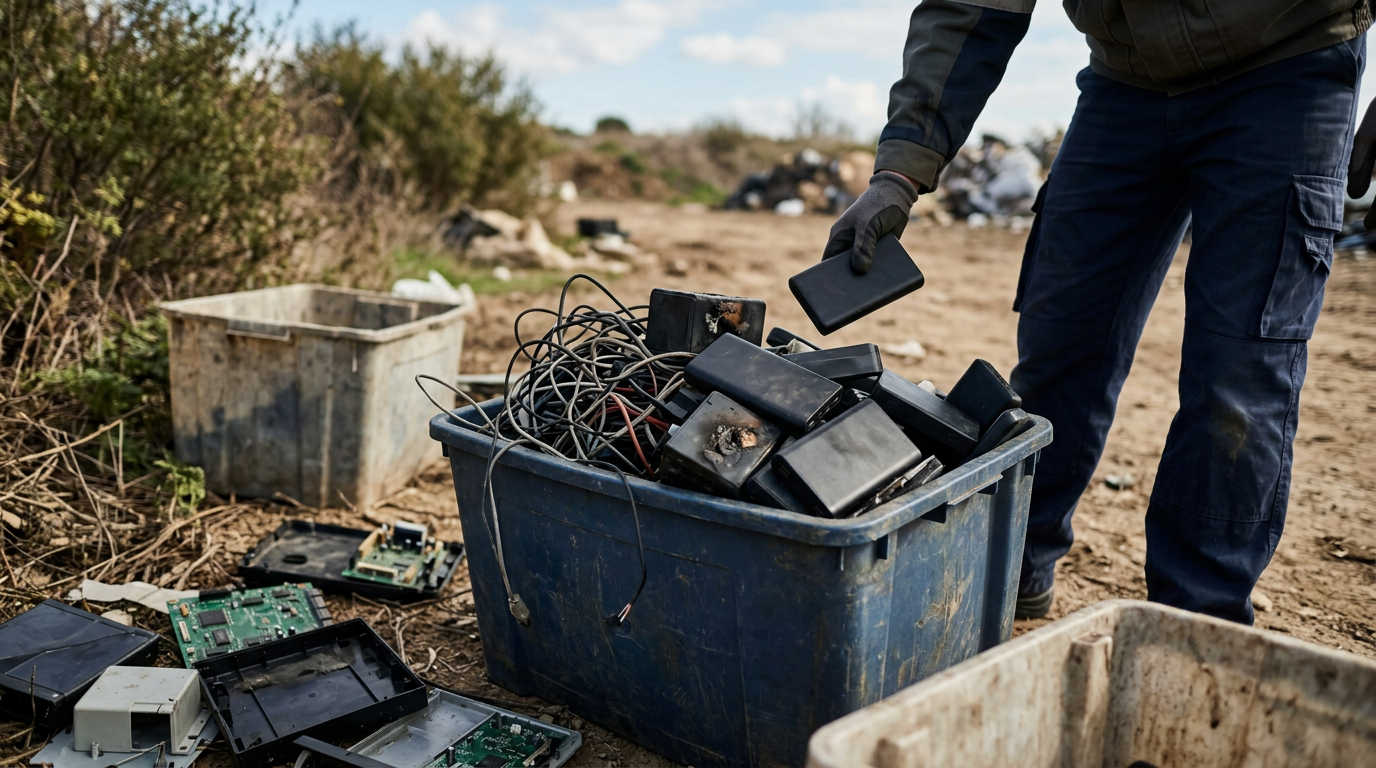
The Consumer Product Safety Commission (CPSC) has recalled NEWDERY Power Banks due to fire and burn hazards, affecting consumers who purchase or own these products on Amazon. This recall highlights critical safety concerns for electronics recycling and the broader management of e-waste.
Last reviewed by Samantha Holloway on 25 September 2026
In September 2026, the CPSC announced that NEWDERY Power Banks are being recalled because their lithium-ion batteries can explode or ignite, posing serious fire risks to users. The affected power banks were sold exclusively on Amazon between January 1, 2025, and August 31, 2026.
How Does This Affect Electronics Recycling?
This recall directly affects electronics recycling processes because it underlines the need for proper handling of potentially hazardous devices. When consumers return or recycle faulty power banks, facilities must ensure these items are safely dismantled to prevent any risk of fire or explosion during processing.
The lithium-ion battery market is expected to grow significantly, reaching 2.5 TWh by 2030. With this growth comes an increased responsibility for manufacturers and recyclers to manage batteries safely throughout their lifecycle. The recall emphasizes the importance of adhering to strict safety protocols in electronics recycling facilities.
What Are the Risks for Consumers?
Consumers who own or have purchased NEWDERY Power Banks face a risk of fire and burn injuries from faulty lithium-ion batteries. If these power banks are improperly disposed of, they could pose serious dangers at recycling centers.
The CPSC recommends that consumers immediately stop using any affected NEWDERY Power Bank and return it to Amazon for a full refund or store credit. This action not only protects users but also ensures that potentially dangerous devices don't enter the general waste stream where they might cause harm.
What Are the Legal Implications?
Manufacturers like NEWDERY must comply with strict safety standards set by regulatory bodies such as the CPSC and the European Union's [WEEE Directive](/regulations/weee-directive-eu), which aims to reduce e-waste and improve recycling rates. Failing to meet these regulations can result in recalls, fines, and legal liabilities.
The recall also highlights the importance of product liability laws that hold manufacturers responsible for ensuring their products are safe throughout their entire lifecycle. In Europe, the WEEE Directive requires companies to take back end-of-life electrical equipment from consumers free of charge and ensure its proper recycling or disposal.
What Should Recycling Facilities Do?
Recycling facilities must develop strong safety measures to handle potentially hazardous devices like recalled power banks. They should train staff on recognizing and safely managing lithium-ion batteries, which can pose significant risks if mishandled during the recycling process.
Facilities need to comply with regulations such as the WEEE Directive in Europe or the RoHS directive, which restricts the use of certain hazardous substances in electronics. Ensuring compliance helps prevent environmental contamination and protects workers from exposure to dangerous materials.
What Can Consumers Do Now?
Consumers should check if they have a NEWDERY Power Bank affected by this recall and follow the CPSC's instructions to return it safely. At electronics recycling, they can also support safer recycling practices by opting for certified electronics recyclers who adhere to strict safety protocols.
To stay informed about similar recalls, consumers should regularly visit the CPSC website or sign up for alerts from their local e-waste management organizations. This proactive approach helps keep both individuals and communities safe while promoting sustainable disposal methods for electronic devices.
For more information on how to recycle electronics safely and responsibly, check out our guides on [right-to-repair](/guides/right-to-repair-what-it-means) and [circular economy](/guides/circular-economy-and-electronics). These resources provide valuable insights into the benefits of repairing rather than replacing devices and the importance of recycling electronics properly to recover valuable materials.
According to the WHO, improper e-waste disposal releases toxic substances including lead, mercury, and cadmium into soil and water.
Sources
- WHO
- UN Global E-Waste Monitor 2024
- European Parliament