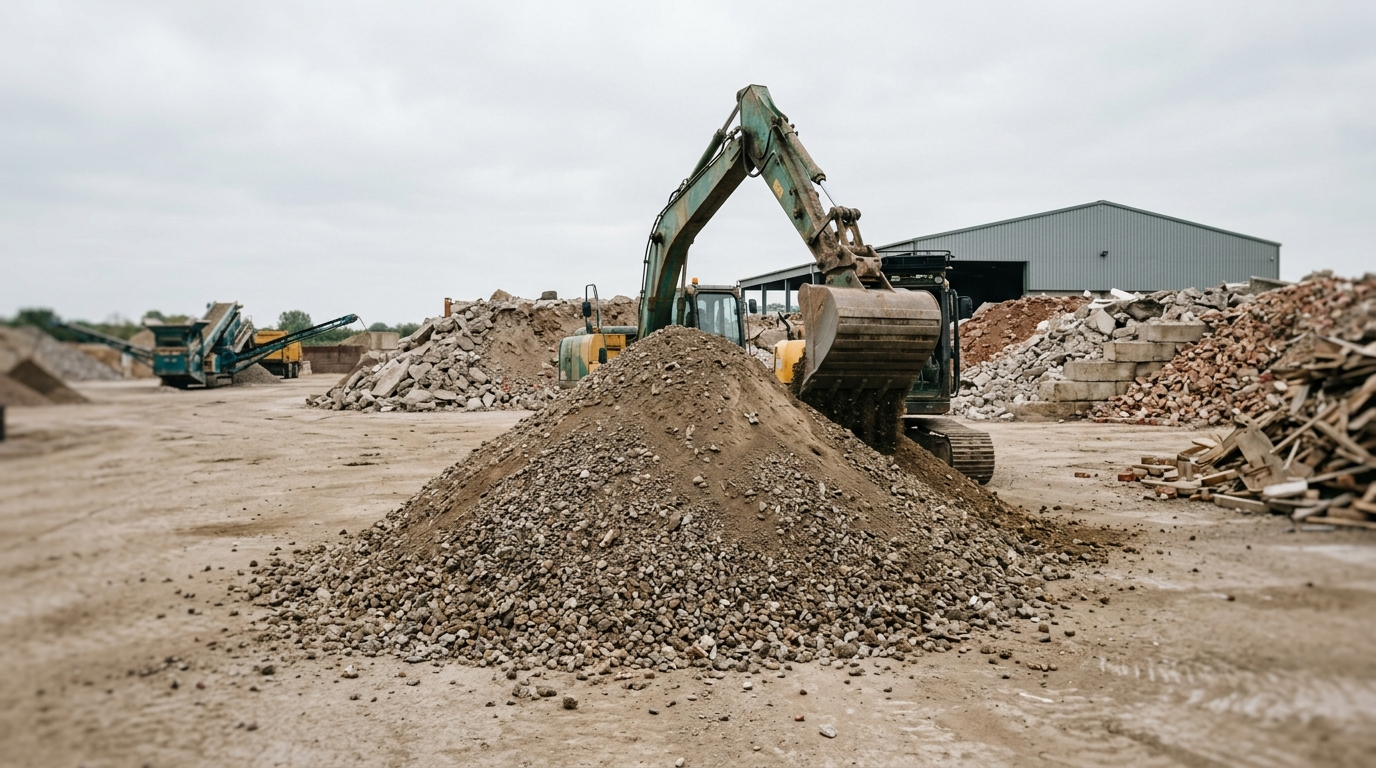
The UK Environment Agency has updated the Low risk waste positions: construction, demolition and dredging waste, aggregates and soils to include new exemptions for specific waste operations as of July 2026. This update affects various industries dealing with non-hazardous materials but has implications beyond its immediate scope, particularly for electronics recyclers.
Last reviewed by Samantha Holloway on 13 July 2026
How Does This Affect Electronics Recycling?
This update doesn't directly impact the regulations governing e-waste recycling or disposal. However, it sets a precedent for waste management practices that could influence future policies. For example, the Environment Agency's criteria for defining low-risk waste operations based on material composition and environmental impact can be seen as a model for how electronics recyclers might assess their own processes.
According to the WEEE Forum, over 5 billion mobile phones were estimated to be sitting unused in drawers worldwide in 2022.
The update includes specific exemptions for materials like concrete rubble and soil, which are often by-products of construction activities. In 2026, these changes could lead to more streamlined handling procedures for non-hazardous waste in the UK, potentially reducing administrative burdens on businesses while maintaining environmental standards. For electronics recyclers, this demonstrates how regulatory bodies can balance operational efficiency with ecological responsibility.
Given that global e-waste amounts to 62 million tonnes annually (UN Global E-Waste Monitor 2024), any policy shift toward more efficient waste management could have broader applications for the tech industry. The Environment Agency's approach emphasizes the importance of data-driven decisions and risk assessment, principles that are equally applicable in managing electronic waste.
What Are the Financial Implications?
The financial implications of these changes can be significant for businesses involved in construction and demolition activities. By exempting certain materials from stringent regulations. Companies may see reduced disposal costs and administrative fees associated with hazardous waste management. For instance, the cost savings could range between 10% to 30%, depending on the volume and type of material being handled (UK Environment Agency).
Electronics recyclers might find opportunities in adopting similar risk assessment frameworks for their operations, potentially streamlining processes and reducing overhead costs. This approach can be particularly beneficial as the industry faces rising disposal fees due to increasing volumes of e-waste.
How Can Electronics Recyclers Stay Informed?
Staying informed about regulatory updates is important for electronics recyclers looking to optimize their practices while ensuring compliance. At Low risk waste positions: construction, demolition and dredging waste, aggregates and soils, the Environment Agency's guidelines on low-risk waste positions are available online and should be reviewed regularly for any changes or new exemptions that may affect the industry. Additionally, resources like eCycling Central provide detailed guides on topics such as [right-to-repair](/guides/right-to-repair-what-it-means) and [circular economy strategies](/guides/circular-economy-and-electronics).
By understanding these guidelines and adapting their practices accordingly, recyclers can enhance operational efficiency without compromising environmental standards. For example, adopting a risk-based approach to managing electronic waste could lead to cost savings similar to those seen in construction waste management.
What Should Electronics Recyclers Do Now?
To stay ahead of regulatory changes and optimize operations, electronics recyclers should:
- Review the latest guidelines from the Environment Agency on low-risk waste positions and understand how these apply to their specific materials.
- Implement risk assessment frameworks similar to those used for construction waste management to identify opportunities for process improvements.
- Engage with industry experts and regulatory bodies to stay updated on policy changes and best practices in sustainable waste management.
By taking proactive steps, electronics recyclers can ensure they remain compliant while also achieving operational efficiencies that benefit both their business and the environment.
According to the WHO, e-waste contains over 1,000 different substances, many of them toxic.
Sources