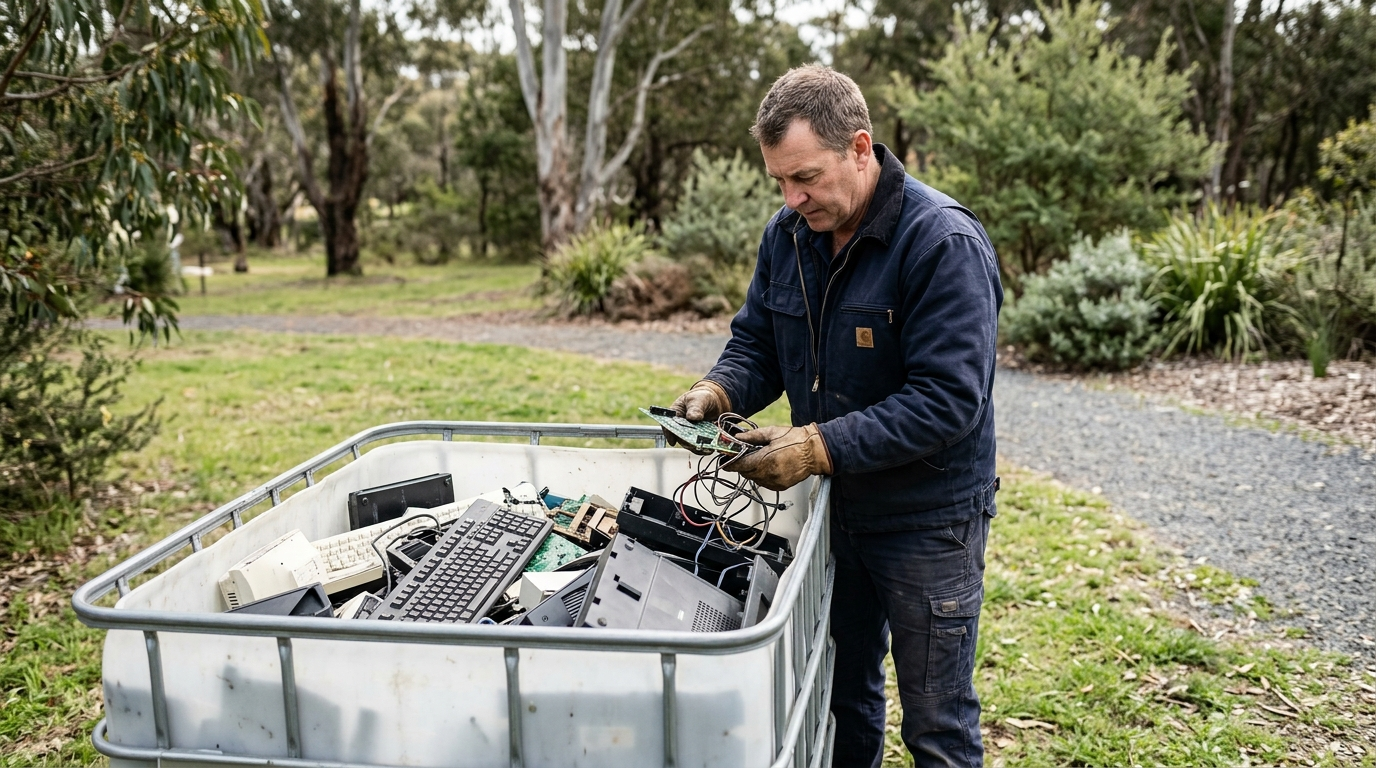
Konica Minolta and Macquarie University have teamed up again for an e-waste recycling drive in September 2026, aiming to raise awareness about the growing problem of electronic waste and provide practical solutions for individuals and businesses.
Last reviewed by Samantha Holloway on 29 September 2026
In a partnership that has grown stronger over the years, Konica Minolta and Macquarie University are set to launch another round of their highly successful e-waste recycling initiative this month. tech sustainability This effort directly addresses one of the most pressing environmental issues of our time: the rapid accumulation of electronic waste (e-waste) globally.
What Is the Main Goal of This Partnership?
The primary goal is to increase public awareness about responsible disposal and recycling of electronics, which has become a critical issue given the staggering amount of e-waste generated annually. For instance, the UN Global E-Waste Monitor 2024 reports that global e-waste reached an all-time high of 62 million tonnes in 2023.
This initiative is part of broader efforts to address the environmental impact of discarded electronics. Only about 22.3% of e-waste worldwide was formally recycled last year, highlighting a significant gap between waste generation and recycling rates.
How Does This Affect Electronics Recycling?
It raises awareness among consumers and businesses about the importance of proper disposal methods for electronic devices like smartphones, computers, and other gadgets. For example, did you know that 1 million phones contain up to 35kg of gold and 340kg of silver? Proper recycling can recover these valuable materials instead of letting them go to waste in landfills.
The partnership also aims to encourage more local businesses to participate in responsible e-waste management practices. By educating the public, they hope to drive demand for better recycling infrastructure and services.
According to the US EPA, recycling one million laptops saves the energy equivalent of electricity used by 3,657 us homes in a year.
What Are Some Specific Actions Taken by Konica Minolta and Macquarie University?
Both institutions have developed educational materials and workshops focused on the benefits of
urban mining-a process that extracts valuable metals from discarded electronics. These efforts highlight how recycled materials can be reintroduced into manufacturing processes, reducing the need for virgin resources.
They're working closely with local government bodies to improve e-waste collection facilities and streamline recycling processes. This collaboration is particularly important as countries like Australia face increasing pressure to meet WEEE Directive standards set by the EU, despite not being part of it directly.
What Can Individuals Do Now?
Individuals can start by participating in any upcoming events organised by Konica Minolta or Macquarie University. These events often offer free drop-off points for e-waste and provide information on local recycling services. Additionally, people should consider adopting a
circular economy mindset when purchasing new electronics. This means opting for products designed to be repairable and upgradable.
To stay informed about the latest developments in tech sustainability, visit our page on [right-to-repair](/guides/right-to-repair-what-it-means) initiatives or learn more about how urban mining can help recover valuable materials from e-waste (urban mining). By taking small steps today, everyone can contribute to a cleaner and more sustainable future.
Sources
- US EPA
- UN Global E-Waste Monitor 2024
- Consumer Technology Association