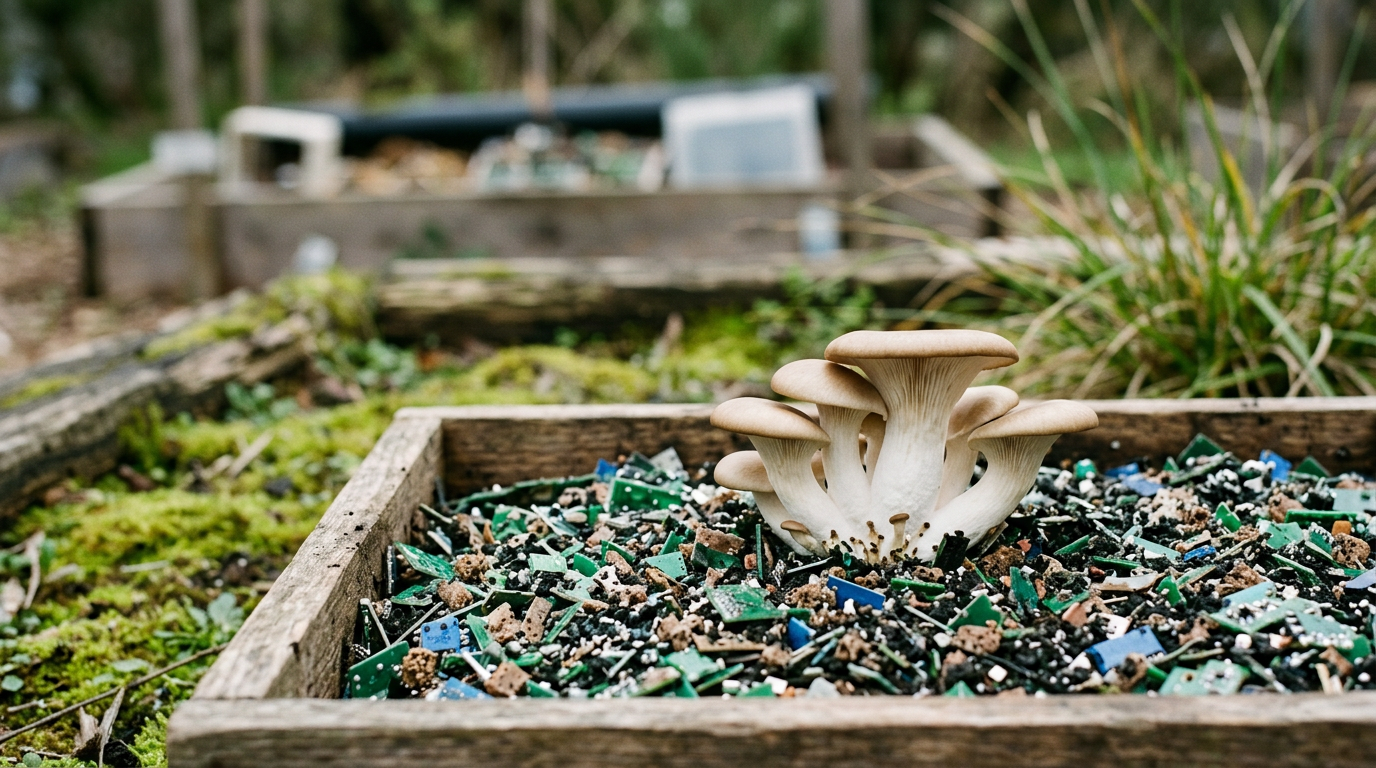
Scientists have developed a new method using fungi to extract critical metals from electronic waste, marking a major step forward in tech sustainability efforts worldwide.
Last reviewed by Samantha Holloway on 28 September 2026
As of September 2026, researchers at the University of California, Berkeley, have successfully demonstrated that certain strains of fungi can break down and recover valuable metals like gold, silver, and palladium from discarded electronics. This breakthrough could revolutionize the way we recycle e-waste by offering a more eco-friendly alternative to traditional chemical-based extraction processes.
How Does This Affect Electronics Recycling?
This development significantly reduces the environmental impact of current recycling methods by eliminating harmful chemicals and improving recovery rates for precious metals. Traditional techniques often rely on toxic acids, which can lead to significant pollution if not managed properly. The fungi method promises a cleaner process with lower emissions.
The global e-waste generation reached 62 million tonnes in 2024 alone, according to the UN Global E-Waste Monitor, and only 22.3% of this waste was formally recycled. New methods like the one developed by UC Berkeley could help increase recycling rates while reducing environmental harm.
What Are the Environmental Benefits?
The fungi-based extraction process offers several advantages over conventional techniques. For instance, it doesn't require harsh chemicals that can contaminate water and soil when improperly disposed of. Additionally, this method is more efficient in recovering metals; one million phones contain 35kg of gold and 340kg of silver, illustrating the potential value at stake.
Fungi can break down complex metal compounds more effectively than chemical baths, potentially increasing recovery rates for precious elements by up to 90% compared to traditional methods. This efficiency means less waste and better resource utilization in a circular economy context.
How Does It Compare Economically?
While initial setup costs for implementing the fungal extraction method may be higher due to technological adoption, long-term savings are likely significant given reduced operational expenses and environmental liabilities. Traditional chemical processes require expensive safety measures and ongoing compliance with regulations like the WEEE Directive in Europe or the Basel Convention globally.
The US generates 6.92 million tonnes of e-waste annually, highlighting the scale at which such innovations can make a difference economically as well as environmentally. At tech sustainability, by focusing on sustainable practices, companies can also improve their public image and potentially attract more customers who prioritize eco-friendly products and services.
How Can Governments Encourage Such Innovations?
Governments play a important role in encouraging tech sustainability through policies that support research and development of cleaner recycling technologies. For example, the EU's WEEE Directive sets collection targets for member states aiming to collect 65% of electronics placed on the market by weight. Such targets drive innovation towards more efficient and environmentally friendly solutions.
In addition, governments could offer tax incentives or grants specifically aimed at developing bio-based extraction methods from e-waste, building growth in this area while addressing pressing environmental issues.
What Should Consumers Do Now?
Consumers can contribute to tech sustainability efforts by ensuring their electronic devices are responsibly recycled. This involves using certified recyclers who adhere to strict safety and environmental standards. For instance, the R2 (Responsible Recycling) standard ensures that e-waste is processed in an environmentally sound manner without harming human health or releasing toxic materials into ecosystems.
Supporting companies committed to sustainable practices helps drive demand for innovative recycling solutions like those involving fungi. By choosing products with a focus on circular economy principles and right-to-repair policies, consumers can also influence manufacturers to design electronics that are easier to recycle at the end of their life cycle.
, the recent advances in using fungi to extract critical metals from e-waste represent a promising step towards more sustainable tech practices. As these methods become more widely adopted, we can look forward to reduced environmental impacts and better resource recovery, contributing significantly to global efforts against e-waste pollution.
According to the US EPA, recycling one million laptops saves the energy equivalent of electricity used by 3,657 us homes in a year.
Sources
- US EPA
- UN Global E-Waste Monitor 2024
- Consumer Technology Association