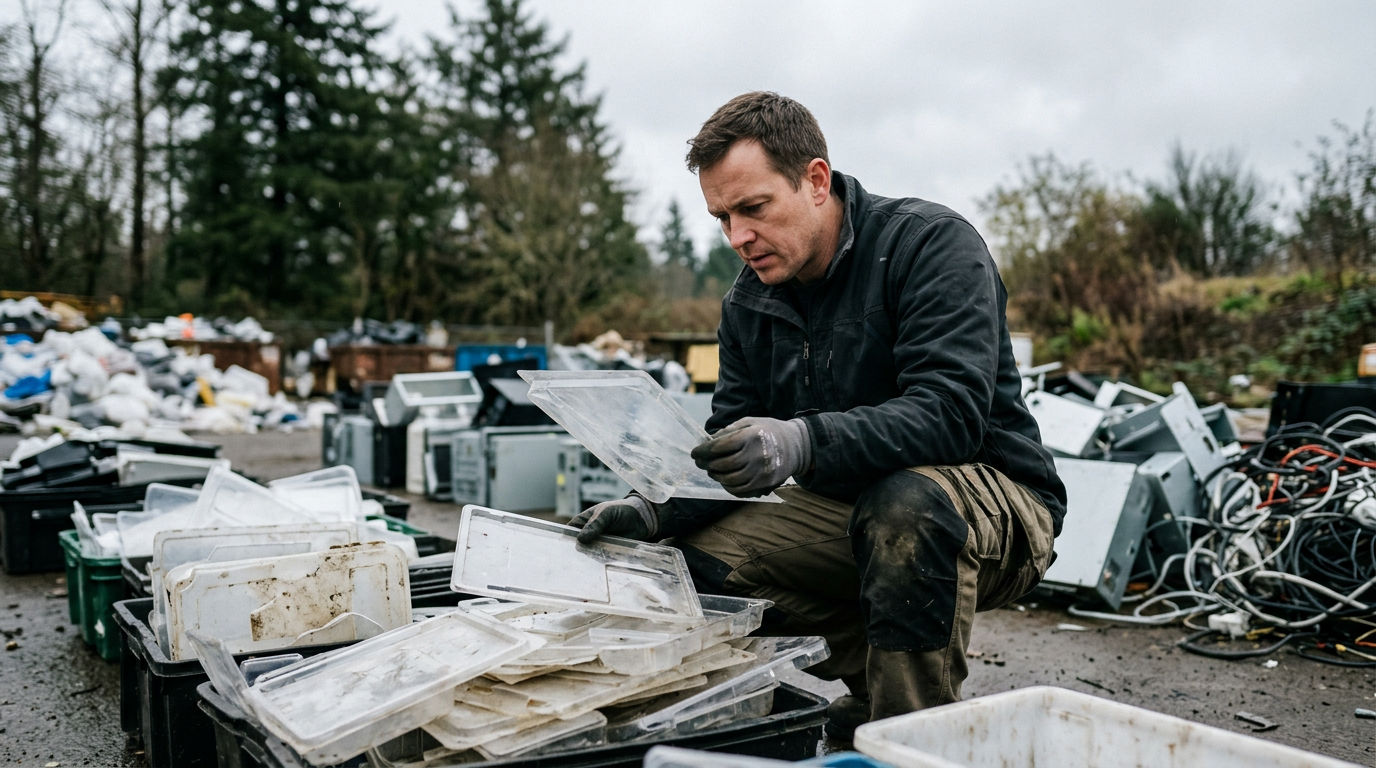
The UK Department for Environment, Food and Rural Affairs (DEFRA) has released CSV templates to help organizations comply with extended producer responsibility (EPR) for packaging. Extended producer responsibility for packaging: templates for organisation details These guidelines aim to streamline the submission of necessary data by businesses under this regulation, ensuring compliance and reducing administrative burdens.
Last reviewed by Samantha Holloway on 26 June 2026
What Are Extended Producer Responsibility Regulations?
Extended producer responsibility regulations require manufacturers to take more responsibility for their products' lifecycle, including disposal and recycling. For packaging materials, EPR means companies must manage waste streams effectively. In June 2026, DEFRA released templates that help organizations structure data correctly when submitting details under these new rules.
According to the Royal Society of Chemistry, mobile phones contain up to 60 different elements, including critical raw materials.
How Does This Affect Electronics Recycling?
This update doesn't directly affect electronics recycling but impacts how businesses handle and report on packaging waste. The guidelines could indirectly influence e-waste management practices by encouraging better product design and material use, which can reduce environmental impact across the lifecycle of electronic devices. As more companies adhere to these standards, there may be a shift towards designing products with easier recyclability in mind.
What Are the Key Changes?
DEFRA's latest release includes updated templates that standardize how organizations report their packaging waste data. This change simplifies compliance for businesses and ensures consistency across submissions. Companies must now provide specific details about the types of packaging materials used, quantities produced, and methods of disposal or recycling. These changes aim to improve transparency and accountability in supply chains.
Why Is Compliance Important?
Compliance with EPR regulations is important because non-compliance can result in hefty fines and damage a company's reputation. Businesses need to understand these requirements to avoid legal penalties and contribute positively to environmental sustainability efforts. For instance, failing to report accurately could lead to sanctions that impact operations and financial health.
According to the BankMyCell depreciation tracker, The average smartphone loses 35-45% of its trade-in value within the first year.
How Can Companies Prepare?
To prepare for compliance with EPR guidelines, companies should review their packaging practices thoroughly. They must gather accurate data on packaging materials used, production volumes, and waste management methods. using DEFRA's CSV templates can help in structuring this information correctly for submission. Additionally, engaging with recycling facilities and other industry partners can provide insights into best practices.
What Should Consumers Know?
While EPR regulations primarily affect businesses, consumers benefit from a cleaner environment and more sustainable product offerings as companies adapt to these rules. At Extended producer responsibility for packaging: templates for organisation details, understanding the basics of EPR helps in recognizing the importance of proper waste management and encourages support for eco-friendly initiatives.
How Can You Stay Informed About Updates?
Staying informed about updates involves regularly checking official government websites like DEFRA's for new guidelines and regulations. Additionally, following industry news and joining relevant professional networks can keep you updated on best practices and upcoming changes. Participating in workshops or seminars focused on sustainability and waste management also provides valuable insights.
According to the UNEP, A single tonne of circuit boards contains 40-800 times more gold than a tonne of ore.
Practical Steps to Take Now
To ensure compliance with EPR regulations:
- Review the latest DEFRA templates available.
- Audit current packaging materials and disposal methods.
- Update internal processes to align with new requirements.
- Engage with industry experts for guidance and support.
- Monitor ongoing developments in environmental legislation.
By taking these steps, businesses can't only avoid penalties but also contribute positively towards a more sustainable future. For more detailed information on e-waste management and circular economy principles, visit ecyclingcentral.com.
Sources
- Royal Society of Chemistry
- BankMyCell depreciation tracker
- UNEP