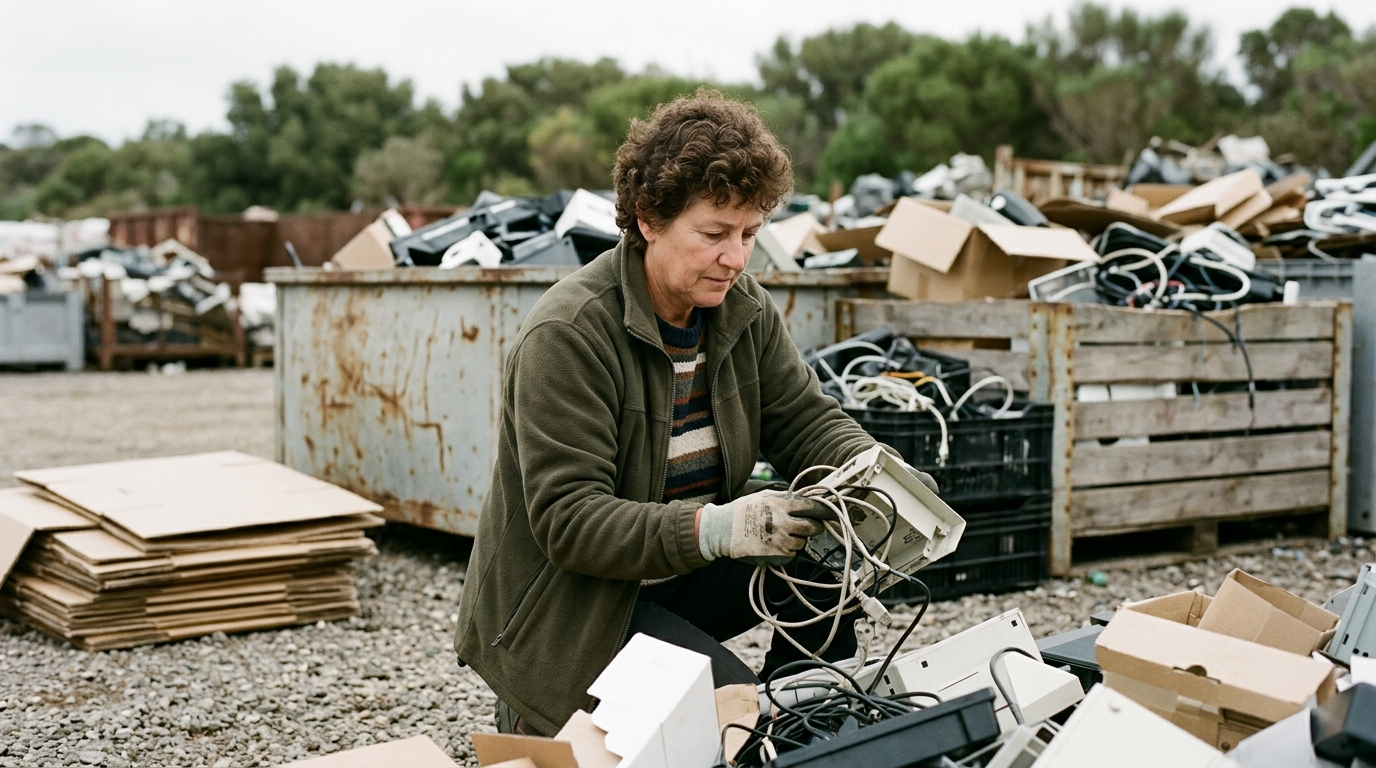
The UK Department for Environment, Food & Rural Affairs (DEFRA) recently updated its guidelines on extended producer responsibility (EPR), specifically for packaging producers. This change significantly impacts how companies manage and recycle their products' waste, including electronics.
Last reviewed by Samantha Holloway on 25 August 2026
How Does This Affect Electronics Recycling?
This update directly affects electronics recycling by mandating that producers take more responsibility for the collection and treatment of end-of-life devices. As a result, manufacturers must now consider the entire lifecycle of their products, encouraging sustainable design practices and improved recycling rates.
In August 2026, DEFRA's changes to EPR regulations have made it mandatory for electronics producers to register with compliance schemes that oversee packaging waste management. This move is part of broader efforts to enhance environmental sustainability by reducing waste and promoting the reuse and recycling of materials.
The new rules stipulate that companies must contribute financially to collecting and processing the packaging from their products. Which often includes electronic devices. By doing so, producers are incentivized to design more recyclable or reusable electronics, thereby reducing e-waste. The UK [WEEE Directive](/regulations/weee-directive-eu) aims for a 65% collection rate of electrical and electronic equipment by weight.
According to the Apple Environmental Report 2024, apple recovered over 1 tonne of gold from recycled devices in 2023.
Manufacturers now face stricter reporting requirements and penalties for non-compliance, which can lead to significant financial burdens if they fail to meet recycling targets. For instance, the European Union's WEEE Directive sets a target that at least 65% of all electronics placed on the market should be collected annually. This directive directly influences how producers handle end-of-life products across Europe.
What Are the Financial Implications for Producers?
The financial implications are substantial as companies must allocate funds to cover the costs associated with waste collection and recycling infrastructure. These expenses can add up, especially for small businesses that may struggle under these new obligations.
As of August 2026, producers will need to pay into compliance schemes based on the weight of packaging materials used in their products. This financial burden encourages manufacturers to use less material or design more easily recyclable devices.
For example, the cost per kilogram of packaging waste can vary widely depending on the materials and complexity of the product. A typical smartphone might incur costs around £0.35-£1 per unit due to its complex composition and small size, making efficient recycling critical for profitability.
According to the BankMyCell 2024, iPhones retain trade-in value better than Android phones, losing ~40% in year 1 vs ~55%.
How Will This Impact Consumer Rights?
These changes also enhance consumer rights by ensuring that electronic products are easier to recycle or dispose of safely. Consumers benefit from improved access to recycling facilities and better transparency regarding the environmental impact of their purchases.
Under these new regulations, consumers can expect more transparent information about product recyclability and disposal options. For instance, manufacturers must now provide detailed instructions on how to return end-of-life devices for proper recycling.
by promoting circular economy principles through EPR, there's potential for increased right-to-repair initiatives that help users to extend the lifespan of their gadgets. This move towards sustainability not only benefits the environment but also enhances consumer choice and satisfaction.
What Are Some Key Considerations for Electronics Recycling?
One key consideration is the need for strong infrastructure capable of handling diverse types of
electronic waste efficiently. With global e-waste projected at 62 million tonnes annually, according to the UN Global E-Waste Monitor 2024, effective recycling strategies are important.
The sheer volume of e-waste highlights the importance of advanced recycling technologies and standardized processes. For example, recycling one million smartphones can recover approximately 35kg of gold, 340kg of silver, and 15kg of palladium-materials with significant economic value.
as countries like Australia and the United States generate substantial amounts of e-waste-6.92 million tonnes annually in the US alone-there's a growing demand for efficient recycling solutions that minimize environmental harm while maximizing resource recovery.
What Should People Do Now?
To stay compliant with these regulations, producers should familiarize themselves with local EPR schemes and register their products accordingly. Consumers can support sustainable practices by choosing devices from companies committed to responsible disposal methods.
For more information on e-waste management best practices, visit our guides on
right-to-repair,
circular economy, and
WEEE Directive compliance. By taking proactive steps now, both manufacturers and consumers can contribute to a more sustainable future.
Sources
- Apple Environmental Report 2024
- BankMyCell 2024
- Royal Society of Chemistry