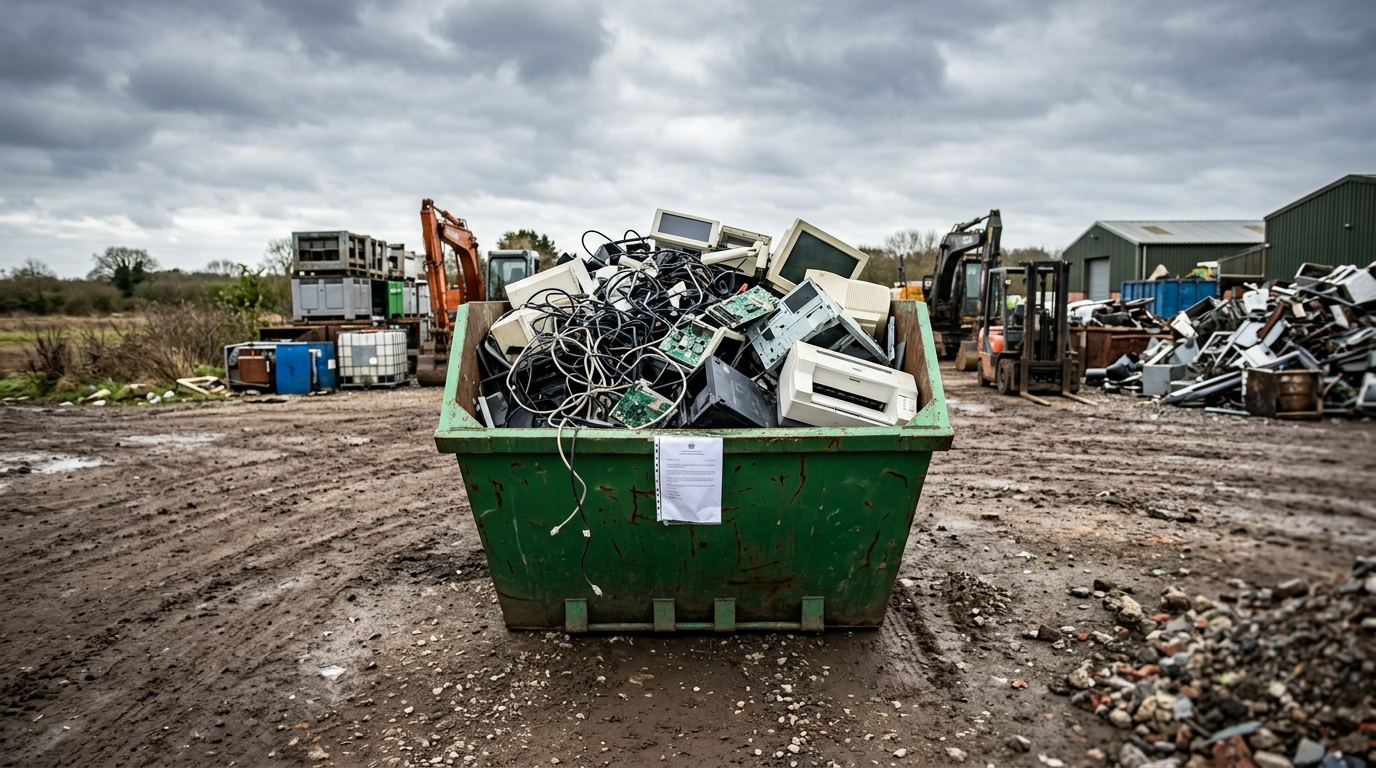
What happened and why does it matter for people who recycle electronics or care about e-waste? The Environment Agency suspended the Chichester waste site permit in June 2026 due to serious fire hazards and pollution risks, impacting how electronic waste is managed in the area. Environment Agency suspends Chichester waste site permit This development raises concerns about the safety and environmental practices of recycling facilities globally.
Last reviewed by Samantha Holloway on 19 June 2026
What Did the Site Visit Reveal?
Officers found that the site had significant fire hazards and pollution risks during a visit in June 2026. The Environment Agency identified non-compliance with fire safety regulations, leading to immediate action against the waste management facility in Chichester.
According to the UN Global E-Waste Monitor 2024, only 22.3% of e-waste was properly collected and recycled in 2022.
How Does This Affect Electronics Recycling?
This decision affects electronics recycling because it highlights critical issues surrounding safe handling of e-waste. With only 22.3% of global e-waste formally recycled worldwide annually (UN Global E-Waste Monitor, 2024), the suspension highlights the need for stringent safety and environmental standards in waste management practices.
What Are the Specific Risks Identified?
The risks identified include fire hazards from improperly stored materials and pollution from hazardous substances like lead and mercury found in electronic devices. These risks not only endanger workers but also pose significant threats to local ecosystems, as e-waste often contains harmful chemicals that can leach into soil and water.
What Are the Legal Implications for Chichester?
The Environment Agency's actions have legal implications based on UK environmental regulations. Under the Waste Electrical and Electronic Equipment (WEEE) Directive, facilities must adhere strictly to safety and disposal guidelines. The suspension indicates non-compliance with these standards, leading to potential fines and operational restrictions.
According to the Consumer Technology Association, The average US household has 21 unused electronic devices.
How Can This Impact Nearby Communities?
Nearby communities could face health risks from air and water pollution if such hazards aren't mitigated promptly. Proper e-waste management is important for public health and environmental protection, as the improper disposal of electronics can lead to soil contamination and groundwater pollution, affecting local residents' well-being.
What Are the Broader Implications?
This incident highlights broader issues in waste management practices across the globe. It serves as a reminder that recycling facilities must prioritize safety measures and adhere strictly to regulations like the WEEE Directive and RoHS standards (Restriction of Hazardous Substances), which aim to reduce harmful impacts from e-waste.
What Should Recycling Facilities Do Now?
Recycling facilities should conduct thorough risk assessments, implement fire safety protocols, and ensure compliance with environmental laws. At Environment Agency suspends Chichester waste site permit, regular audits by independent bodies can help prevent such incidents in the future.
According to the Counterpoint Research, The global refurbished smartphone market was worth $49.3 billion in 2023.
For individuals and businesses generating electronic waste, choosing certified recycling partners committed to safe practices is important. Following guidelines like those set out in the WEEE Directive ensures that e-waste disposal aligns with best practices for sustainability and public health.
By taking proactive steps now, stakeholders across the electronics lifecycle can help prevent similar incidents and promote responsible recycling practices globally.
Sources
- UN Global E-Waste Monitor 2024
- Consumer Technology Association
- Counterpoint Research