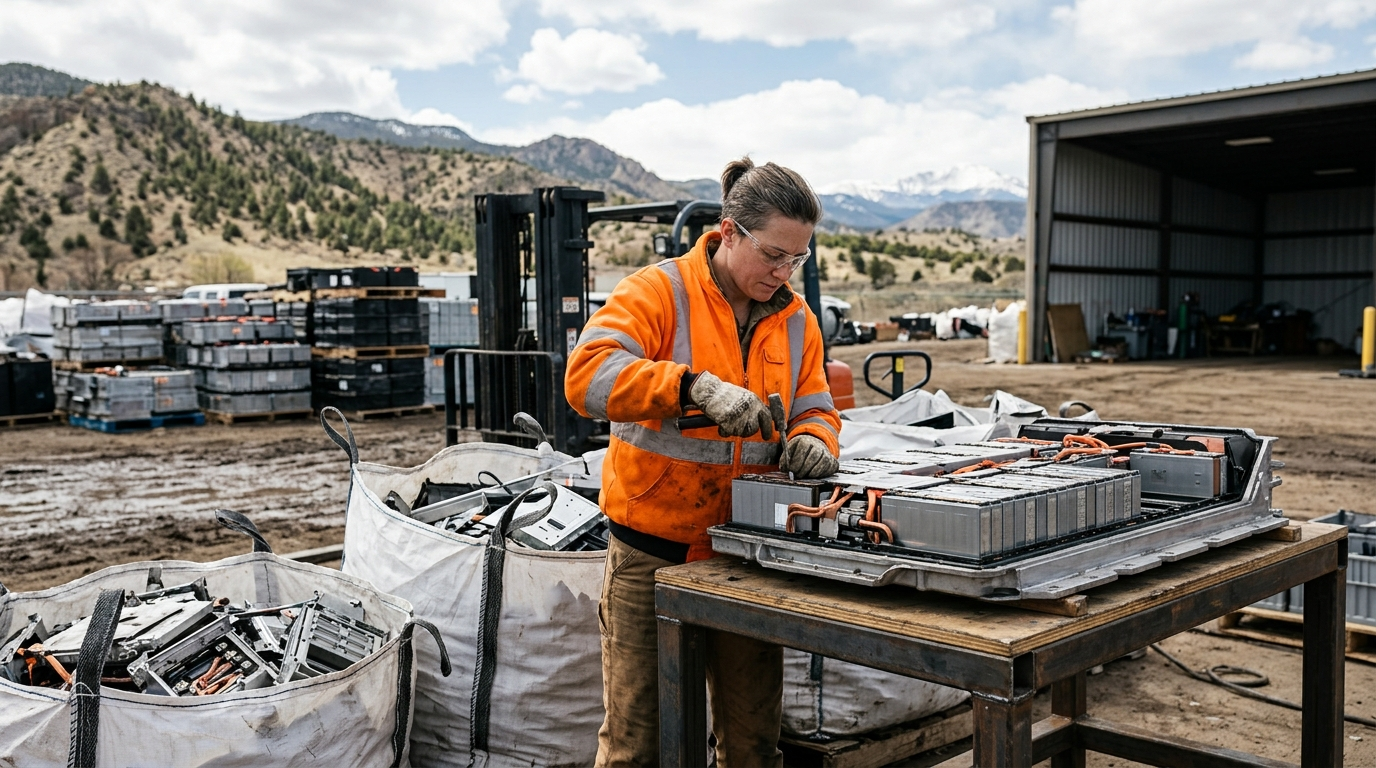
Colorado recently passed a new law compelling automakers to take full responsibility for the recycling of electric vehicle (EV) batteries and reclaim critical minerals, according to Waste360. Colorado Compels Automakers to Own EV [Battery Recycling](/guides/how-to-recycle-ev-and-e-bike-batteries) and Reclaim Critical Minerals - Waste360 This development directly impacts electronics recyclers and those concerned with e-waste management by setting a precedent for more stringent regulations on battery disposal.
Last reviewed by Samantha Holloway on 23 June 2026
What Is Colorado Compels Automakers to Own EV Battery Recycling About?
Colorado Compels Automakers to Own EV Battery Recycling mandates that automakers must establish systems to collect, recycle, and reclaim valuable materials from spent EV batteries. This initiative aims to reduce waste and ensure the sustainable use of critical minerals like lithium, cobalt, and nickel.
The law's implementation is part of a broader trend towards stricter e-waste management practices worldwide. By 2030, the global demand for lithium-ion battery recycling is projected to grow significantly, driven by the increasing number of EVs on roads globally. According to the UN Global E-Waste Monitor 2024, the world generates approximately 62 million tonnes of e-waste annually.
According to the BankMyCell depreciation tracker, The average smartphone loses 35-45% of its trade-in value within the first year.
How Does This Affect Electronics Recycling?
This law impacts electronics recyclers by requiring them to adapt their practices and capabilities to handle more specialized forms of waste like EV batteries. The regulation increases the complexity of recycling processes as it mandates specific handling procedures for these materials, which differ from traditional electronic devices. Recyclers must invest in new technology and training to meet the requirements set forth.
For instance, the process of reclaiming critical minerals involves detailed steps such as shredding, sorting, and chemical extraction to recover precious metals. These activities require sophisticated machinery and expertise that many existing recyclers may not possess. As a result, companies need to expand their offerings or partner with specialized firms to remain compliant and competitive.
What Are the Environmental Benefits?
The environmental benefits of this regulation are substantial. By reclaiming critical minerals from used EV batteries, automakers can reduce the demand for newly mined resources, thereby lowering the ecological impact associated with mining activities. This initiative helps conserve natural habitats and preserves finite mineral reserves, contributing to a more sustainable future.
recycling EV batteries minimizes environmental pollution from improper disposal. When not recycled properly, these batteries pose significant risks of soil contamination and groundwater poisoning due to toxic chemicals like lithium and cobalt. Ensuring proper recycling through regulated channels significantly mitigates these hazards.
How Much E-Waste Does the World Generate?
The world generates around 62 million tonnes of e-waste annually, according to the UN Global E-Waste Monitor 2024. This statistic highlights the urgency for strong recycling initiatives like those in Colorado. The United States alone contributes about 6.92 million tonnes to this total, highlighting a significant area needing improvement.
What Are Some Key Statistics on Battery Recycling?
The projected demand for lithium-ion battery recycling is expected to reach 2.5 TWh by 2030, driven primarily by the growing EV market. Additionally, one million smartphones contain approximately 35kg of gold and 340kg of silver, illustrating the high value and environmental importance of reclaiming these resources.
What Should Recyclers Do Now?
Recyclers should start by familiarizing themselves with Colorado Compels Automakers to Own EV Battery Recycling and understanding how it aligns with their operations. They must assess whether current infrastructure can handle the specialized requirements for battery recycling and consider investing in new technologies or partnerships if necessary.
engaging with automakers and other stakeholders involved in EV battery production could provide valuable insights into best practices and emerging trends. Collaboration within the industry is important to developing full solutions that meet regulatory standards while maximizing resource recovery.
For more information on related topics such as urban mining, planned obsolescence, and circular economy principles, visit our guides section:
According to the UNEP, A single tonne of circuit boards contains 40-800 times more gold than a tonne of ore.
By staying informed and proactive, recyclers can position themselves as leaders in sustainable e-waste management practices.
Sources
- BankMyCell depreciation tracker
- UNEP
- WHO