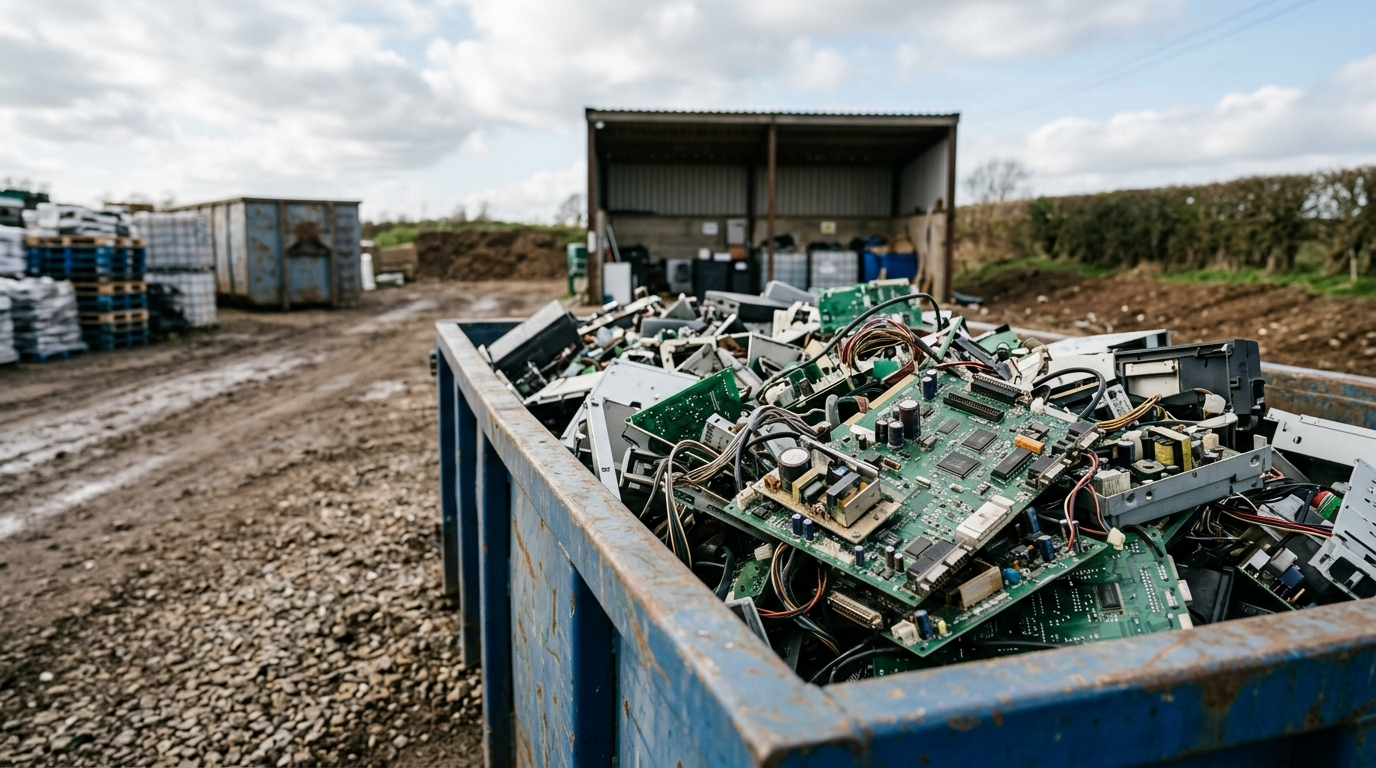
The UK Environment Agency's investigations into waste and water offences across Lincolnshire have secured £168,000 for a local charity. This fund will support environmental initiatives, including efforts to manage e-waste responsibly.
Last reviewed by Samantha Holloway on 27 July 2026
What Does This Mean for Electronics Recycling?
This donation directly supports charities working on recycling projects that help reduce electronic waste in the community. The money will be used to enhance and expand electronics recycling facilities, ensuring more efficient processing of discarded devices.
According to the European Parliament, less than 1% of rare earth elements in e-waste are currently recycled.
The Environment Agency's actions highlight the importance of adhering to regulations regarding e-waste disposal. With global e-waste expected to reach 62 million tonnes per year (UN Global E-Waste Monitor 2024), it's important for individuals and businesses alike to recycle responsibly. This fund helps bridge the gap between regulatory compliance and practical application, making a tangible difference in how we handle discarded electronics.
How Will £168,000 Impact Environmental Efforts?
The £168,000 donated will likely be used to improve infrastructure for recycling centres that process e-waste. This includes purchasing equipment, training staff, and implementing better waste management practices.
According to the WEEE Forum, over 5 billion mobile phones were estimated to be sitting unused in drawers worldwide in 2022.
This funding highlights the environmental impact of improper disposal. For example, only 22.3% of global e-waste is formally recycled (UN Global E-Waste Monitor 2024), indicating a significant gap in compliance with regulations like the [WEEE Directive](/regulations/weee-directive-eu) (EU) and RoHS (Restriction of Hazardous Substances).
What Are the Key Regulations Governing Electronics Recycling?
The WEEE Directive sets targets for member states to collect and recycle electrical waste, aiming for at least 65% collection by weight of electrical and electronic equipment placed on the market. Additionally, the RoHS directive restricts the use of certain hazardous materials in electronics production.
According to the WHO, e-waste contains over 1,000 different substances, many of them toxic.
These regulations aim to reduce environmental impact while promoting a circular economy, where resources are kept in use as long as possible through reuse, repair, refurbishment, and recycling (eCycling Central circular economy).
How Can Individuals Contribute?
Individuals can contribute by ensuring their e-waste is disposed of properly. This involves checking that the recycling centre adheres to relevant regulations and certifications such as those under WEEE compliance schemes (eCycling Central WEEE).
supporting local charities or community projects funded through environmental fines can make a significant difference in managing e-waste sustainably. By participating actively, individuals help reduce the environmental footprint of discarded electronics.
What Are Some Practical Steps for Businesses?
Businesses should prioritize compliance with WEEE and RoHS regulations to avoid hefty penalties and contribute positively to environmental initiatives. This includes setting up effective collection systems and partnering with certified recycling facilities (eCycling Central electronic waste).
Investing in training programs for staff on proper e-waste handling can also enhance operational efficiency while reducing the risk of non-compliance issues. By doing so, businesses not only protect their financial health but also support broader environmental goals.
What Should You Do Now?
To ensure responsible recycling practices:
- Check if your local recycling centre is certified under WEEE compliance schemes.
- Donate to reputable charities involved in e-waste management and recycling initiatives.
- Stay informed about regulations like the RoHS directive and the EU's WEEE Directive (eCycling Central WEEE).
By taking these steps, you can contribute significantly to reducing global e-waste and promoting sustainable electronic waste management practices.
Sources
- European Parliament
- WEEE Forum
- WHO