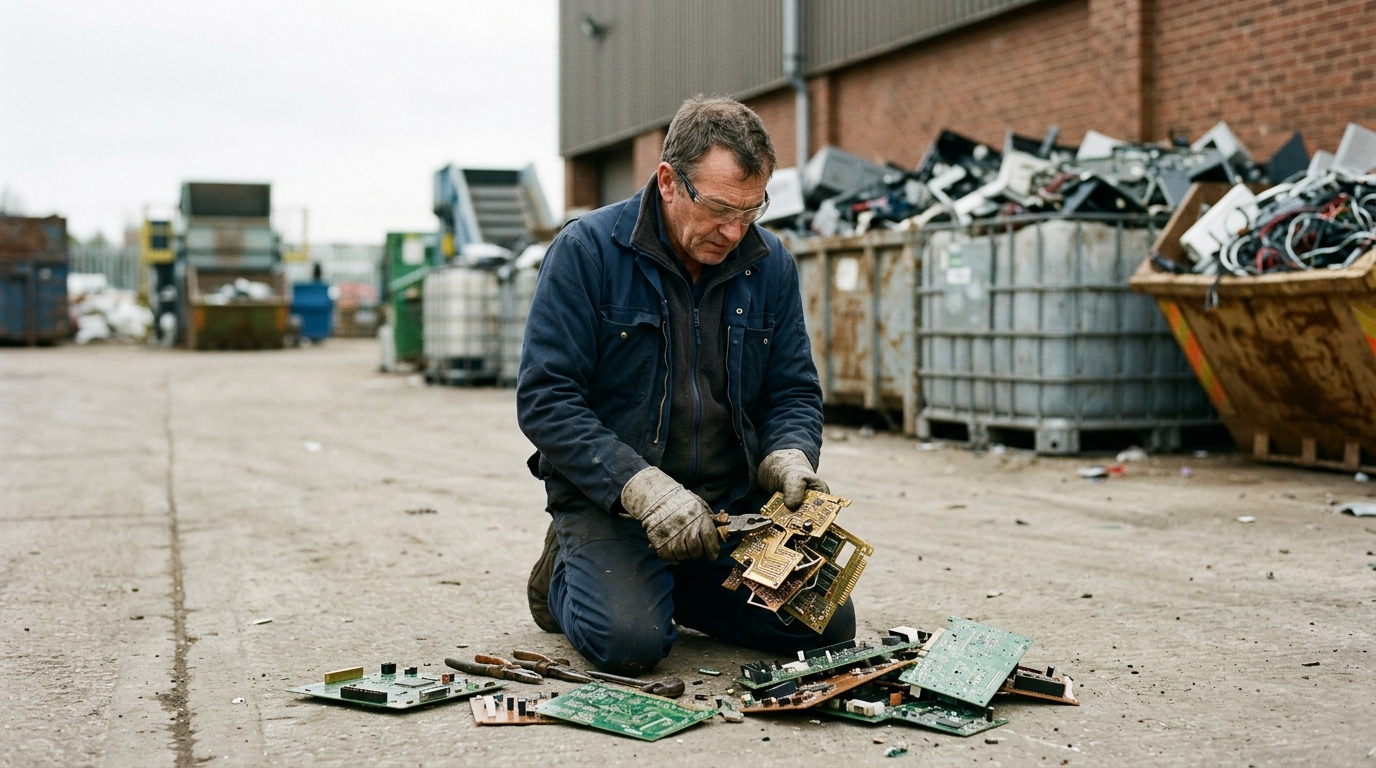
Britain's Royal Mint is now extracting precious metals from electronic waste, marking a significant shift in the tech sustainability situation by turning discarded gadgets into gold and silver. This initiative aims to recover valuable materials like gold, silver, and palladium from outdated electronics. As of August 2026, this move signals an innovative approach to tackling e-waste, with implications for both environmental stewardship and economic viability.
Last reviewed by Samantha Holloway on 05 August 2026
What's the Royal Mint's Electronic Waste Initiative?
The Royal Mint's initiative involves processing electronic waste to extract precious metals such as gold, silver, and palladium. By August 2026, this program has already recovered substantial amounts of these valuable materials from discarded electronics.
Tech sustainability efforts like this one are important because they help reduce the environmental impact of e-waste while also tapping into a vast resource of recoverable materials. For instance, just one million smartphones contain approximately 35 kilograms of gold and 340 kilograms of silver-resources that would otherwise end up in landfills.
According to the UNEP, A single tonne of circuit boards contains 40-800 times more gold than a tonne of ore.
How Does This Affect Electronics Recycling?
This initiative transforms the way we view electronic waste by promoting it as a viable source for precious metals rather than mere junk. By recovering these materials, recycling programs can become more profitable, encouraging greater participation and investment in tech sustainability efforts. For example, the average smartphone contains over 60 different elements, including rare earth minerals that are critical to modern technology but difficult to mine.
The project also aligns with broader goals set by regulations such as the EU WEEE Directive, which aims for a collection rate of at least 65% of electronics placed on the market. By extracting valuable materials from e-waste, recycling centers can meet and exceed these targets more effectively.
What Role Does Urban Mining Play in Tech Sustainability?
Urban mining involves recovering valuable metals and materials from discarded electronics rather than extracting them from mines. This approach is gaining traction as it offers a sustainable way to access critical resources without the environmental costs of traditional mining. For instance, by 2030, the lithium-ion battery market is projected to reach 2.5 TWh, emphasizing the need for efficient recycling methods like urban mining.
This method not only helps reduce e-waste but also supports the circular economy model by ensuring materials are reused and recycled rather than discarded. it aligns with efforts towards a more sustainable tech industry, such as the push for better right-to-repair regulations (see our guide on [right to repair](/guides/right-to-repair-what-it-means)).
What Are the Environmental Benefits of This Program?
The environmental benefits of the Royal Mint's program are significant. By recovering precious metals from e-waste, it reduces the need for new mining operations and thereby decreases carbon emissions associated with mineral extraction. Additionally, it prevents toxic substances found in electronics-such as lead, mercury, and cadmium-from entering the environment.
For context, global e-waste generation reached 62 million tonnes per year according to the UN Global E-Waste Monitor 2024. Only about 22.3% of this is formally recycled worldwide, highlighting the urgent need for innovative recycling solutions like those championed by the Royal Mint.
According to the WHO, improper e-waste disposal releases toxic substances including lead, mercury, and cadmium into soil and water.
What Can Individuals Do Now?
Individuals can contribute to tech sustainability efforts in several ways:
- Proper Disposal: Ensure your electronics are disposed of through certified e-waste collection points or services that align with regulations such as the WEEE Directive (see WEEE).
- Support Urban Mining Projects: Look for initiatives like those led by the Royal Mint and support them by donating your old gadgets to these programs.
- Advocate for Change: Encourage manufacturers to adopt more sustainable practices, such as adhering to RoHS standards (RoHS) that limit hazardous substances in electronics.
By taking these steps, individuals can help create a cleaner tech ecosystem and support the broader goals of urban mining initiatives.
Sources
- UNEP
- WHO
- UN Global E-Waste Monitor 2024