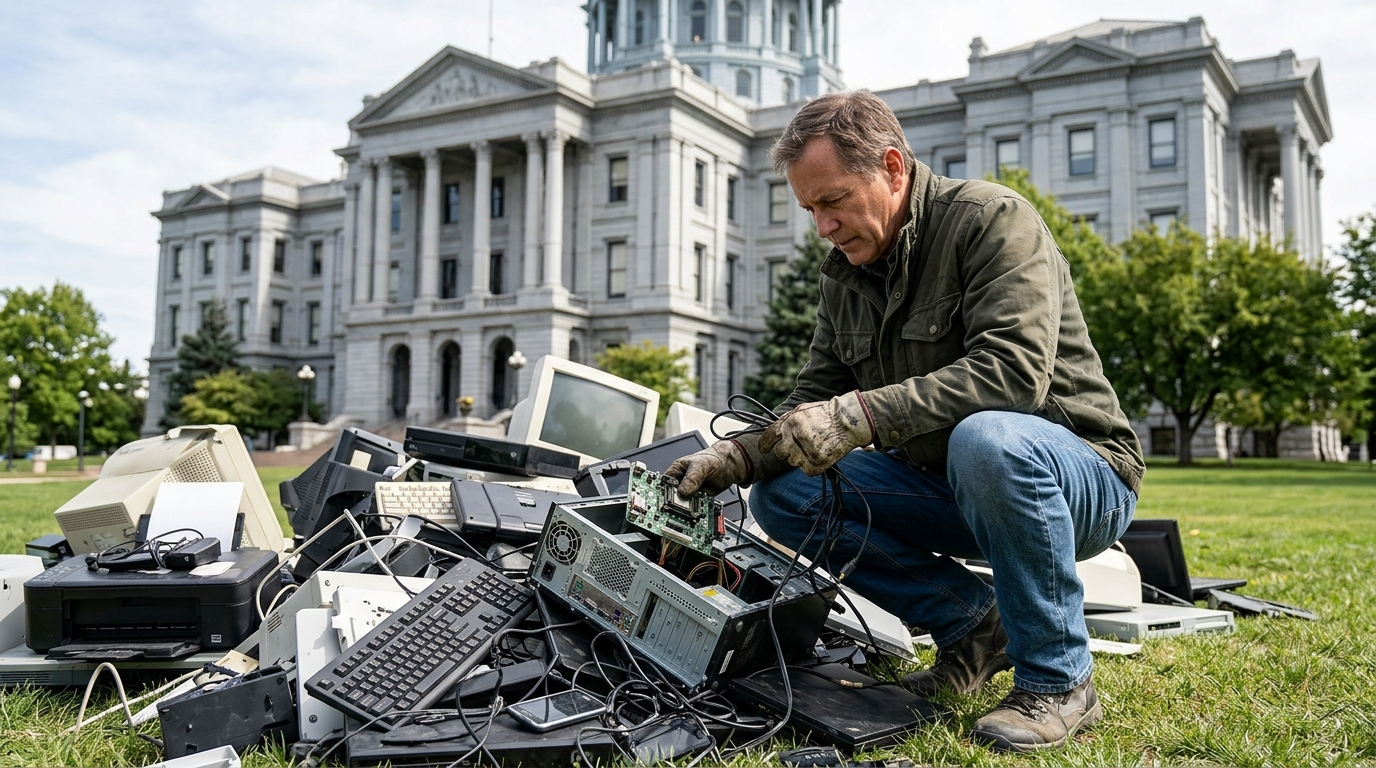
A "graveyard" of discarded electronic devices has been set up outside the Michigan State Capitol to draw attention to the growing issue of e-waste and advocate for better recycling practices. This exhibit, which includes obsolete gadgets like computers, smartphones, and TVs, aims to highlight the environmental impact of improper disposal and promote responsible tech sustainability.
Last reviewed by Samantha Holloway on 16 August 2026
What Is Being Done at the Statehouse?
The display features a range of outdated electronics that would typically end up in landfills if not properly recycled. The organizers aim to illustrate the urgent need for better e-waste management practices and encourage lawmakers to support stricter regulations.
In August 2026, tech sustainability advocates assembled this "graveyard" outside the Michigan State Capitol building to raise awareness about electronic waste. This initiative follows similar efforts in other states where e-waste has become a pressing environmental issue. According to the UN Global E-Waste Monitor 2024, globally, around 62 million tonnes of e-waste are generated annually.
According to the UNEP, A single tonne of circuit boards contains 40-800 times more gold than a tonne of ore.
How Does This Affect Electronics Recycling?
This exhibit highlights the importance of proper electronics recycling and disposal practices for both individuals and businesses. By showcasing real examples of discarded tech items, the organizers hope to educate visitors on the environmental hazards posed by improperly disposed-of electronic devices.
Tech sustainability initiatives like this one aim to increase public awareness about the need for better e-waste management. For instance, only 22.3% of global e-waste is formally recycled each year, leaving a significant amount to be handled unsafely or illegally. This statistic highlights the gap between current recycling rates and what's needed to mitigate environmental harm.
What Are Some Key Regulations Governing E-Waste?
Several regulations aim to address the issue of electronic waste, such as the
WEEE Directive in the EU and the
Basel Convention globally. The WEEE Directive sets collection targets for e-waste, aiming for 65% by weight of electrical equipment placed on the market by 2030. Similarly, the Basel Convention restricts the transboundary movement of hazardous wastes, including electronic waste.
In the US, while there isn't a federal mandate like the WEEE Directive, individual states have enacted their own regulations to manage e-waste. For example, Michigan's Electronic Waste Recycling Act requires manufacturers to provide for the collection and recycling of covered electronic devices based on a weight-based system.
Why Is Proper E-Waste Disposal Important?
Improper disposal can lead to significant environmental contamination due to toxic substances in electronics like lead, mercury, cadmium, and brominated flame retardants. These materials pose serious risks if they leach into soil or water supplies from landfills.
Recycling e-waste not only prevents these pollutants but also recovers valuable resources such as gold, silver, copper, and rare earth metals that are important for manufacturing new electronics. For instance, 1 million recycled mobile phones can yield up to 35kg of gold, 340kg of silver, and 15kg of palladium.
According to the WHO, improper e-waste disposal releases toxic substances including lead, mercury, and cadmium into soil and water.
What Can Individuals Do?
Individuals play a important role in promoting tech sustainability by responsibly disposing of their unwanted electronic devices. Here are some practical steps:
- Check Local Regulations: Visit eCycling Central for state-specific rules and recycling centers.
- Use Certified Recyclers: Choose recyclers accredited under the R2 or e-Stewards standards to ensure proper handling of materials.
- Participate in Collection Events: Stay informed about community-led e-waste collection days organized by local government or non-profits.
What Are Some Upcoming Trends?
As technology evolves, so do the challenges associated with recycling. With the growing popularity of lithium-ion batteries and solar panels, new methods for extracting valuable materials are being developed. The global lithium-ion battery market is forecasted to reach 2.5 TWh by 2030, making efficient recycling and recovery processes increasingly important.
For more information on how to handle these emerging trends in tech sustainability, refer to our guides on [battery recycling](/guides/how-to-recycle-batteries-safely) and [solar panel recycling](/guides/solar-panel-recycling-complete-guide).
According to the UN Global E-Waste Monitor 2024, The world generated 62 million tonnes of e-waste in 2022, up 82% from 2010.
By staying informed about the latest developments and participating actively in eco-friendly practices, everyone can contribute to a more sustainable future for technology.
Sources
- UNEP
- WHO
- UN Global E-Waste Monitor 2024