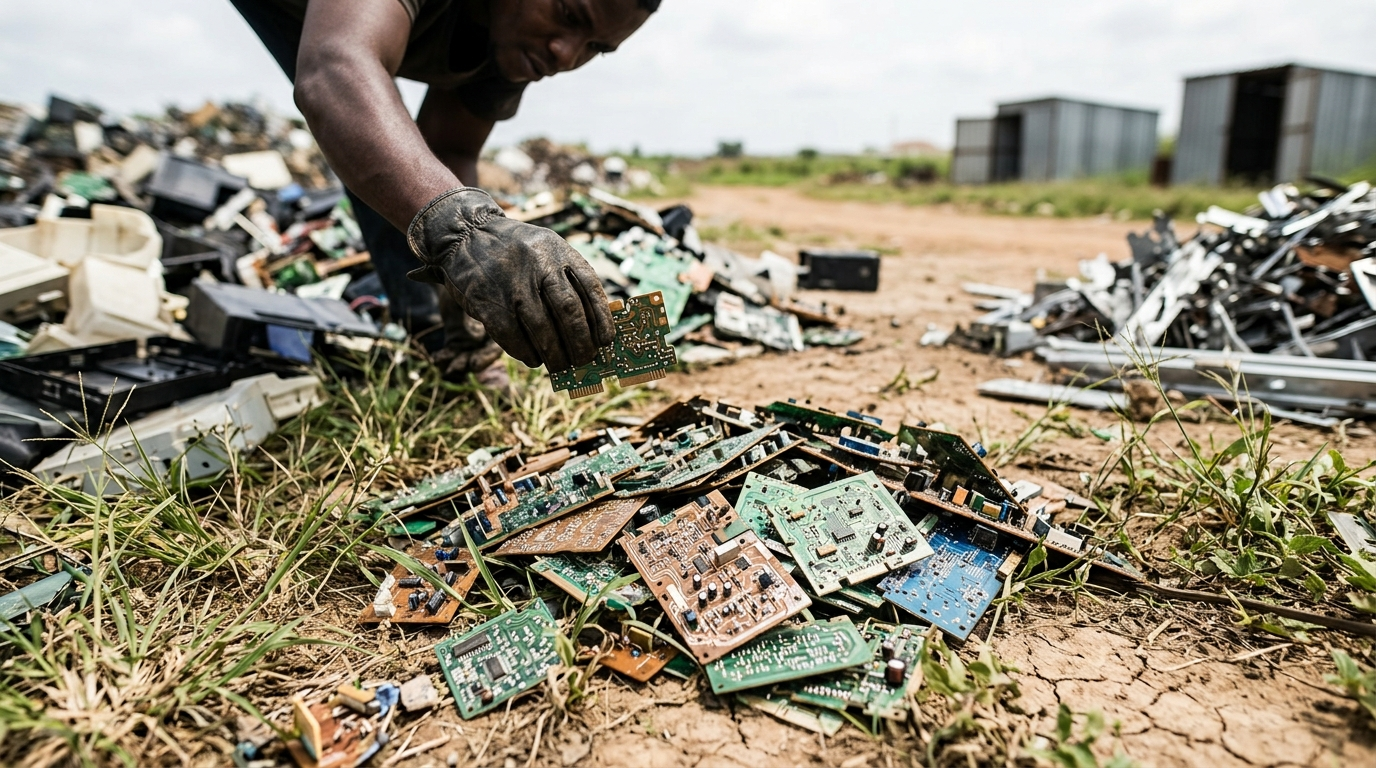
The global market for electronic waste circuit board fragments is set to grow significantly by 2035, driven by increasing demand for urban mining practices aimed at reclaiming valuable materials from discarded electronics.
Last reviewed by Samantha Holloway on 19 September 2026
Tech sustainability has reached a key moment as the world grapples with escalating volumes of e-waste. According to the latest figures, global e-waste is projected to hit 62 million tonnes per year, and only 22.3% of this waste gets formally recycled worldwide. This surge in e-waste presents both challenges and opportunities for urban mining initiatives.
How Does This Affect Electronics Recycling?
This growth highlights a shift towards more sustainable practices within the electronics industry. Urban mining involves extracting valuable materials from electronic devices, which can help reduce reliance on raw material extraction and mitigate environmental damage caused by traditional mining methods.
The demand for recycled metals such as gold, silver, and palladium is particularly high due to their scarcity and rising costs. For instance, one million discarded smartphones contain around 35kg of gold and 340kg of silver-quantities that make urban mining economically viable alongside the environmental benefits it offers.
What Are Key Drivers Behind Urban Mining for Circuit Board Fragments?
Several factors drive the expansion of urban mining practices. Firstly, there's a growing awareness among consumers and corporations about the need to conserve natural resources and reduce environmental impact. Additionally, stringent regulations like the EU's WEEE Directive mandate higher recycling rates for electronic products, pushing companies towards innovative solutions that include circuit board fragment recovery.
Advances in technology have made it easier and more efficient to extract valuable metals from circuit boards without damaging other components. As such, tech giants are increasingly integrating urban mining into their circular economy models to comply with regulations while also addressing supply chain challenges associated with raw material procurement.
How Can Individuals Contribute to Tech Sustainability Through Urban Mining?
Individuals can contribute by responsibly disposing of old electronics and supporting recycling programs that adhere to strict environmental standards. By doing so, people not only ensure that valuable materials are recovered but also prevent hazardous substances in e-waste from contaminating the environment.
For instance, initiatives like the right-to-repair movements encourage users to repair rather than replace devices, extending their lifespan and reducing waste. Additionally, recycling batteries properly ensures harmful chemicals don't leach into soil or water supplies, protecting both human health and ecosystems.
What Should Companies Do Now?
Companies should invest in technologies that enable efficient recovery of materials from circuit boards while minimizing environmental impact. They must also collaborate with regulatory bodies to develop guidelines for sustainable electronics disposal practices, ensuring compliance with directives such as the WEEE Directive and RoHS regulations.
Businesses need to build partnerships across the value chain-from manufacturers to recyclers-to create a cohesive approach towards tech sustainability. This includes implementing circular economy strategies that prioritize product design for longevity, repairability, and eventual recycling.
What Can Governments Do Now?
Governments play a important role in facilitating urban mining through supportive policies and incentives. By setting higher targets for e-waste collection and recycling rates-such as aiming for the EU's 65% target-they can drive industry innovation and compliance with environmental standards.
Governments must enforce strict regulations on hazardous waste management, ensuring that all e-waste is handled safely without posing risks to public health or ecosystems. This includes stringent oversight over informal recycling sectors where practices often lack proper safety measures.
What Can Individuals Do Now?
Individuals can start by learning about local electronics recycling programs and participating actively in them. They should also advocate for stricter regulations on waste disposal and promote awareness campaigns about the benefits of urban mining initiatives within their communities.
By adopting a circular mindset, consumers can influence demand patterns towards more sustainable products and services that prioritize longevity over disposability. This shift helps reduce environmental burdens while building economic opportunities through recycled material recovery industries.
, as tech sustainability evolves into a critical component of global waste management strategies, embracing urban mining practices will become increasingly important for both businesses and individuals alike. By working together towards this goal, we can mitigate the adverse impacts of e-waste on our planet while harnessing its potential to support sustainable development goals globally.
According to the BankMyCell depreciation tracker, The average smartphone loses 35-45% of its trade-in value within the first year.
Sources
- BankMyCell depreciation tracker
- UNEP
- WHO