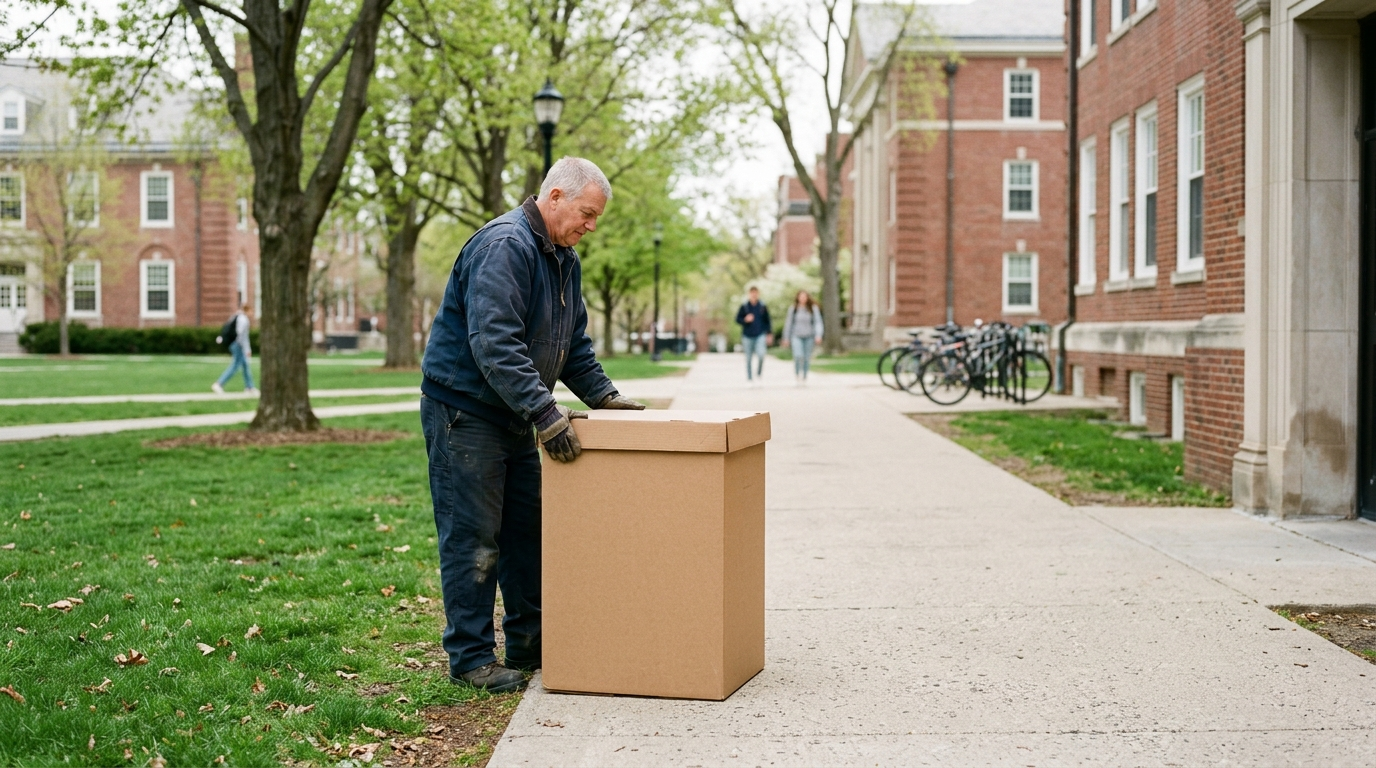
In September 2026, Lafayette College in the United States installed e-waste recycling boxes across its campus, aiming to address the growing issue of electronic waste and promote tech sustainability among students and staff. This initiative highlights the increasing importance of responsible e-waste management practices.
Last reviewed by Samantha Holloway on 19 September 2026
What's E-Waste?
E-waste refers to discarded electrical or electronic devices. tech sustainability includes computers, smartphones, televisions, and other gadgets that are no longer in use but still contain valuable materials like gold, silver, and copper. According to the UN Global E-Waste Monitor 2024, global e-waste reached 62 million tonnes annually.
Why is E-Waste Recycling Important?
E-waste recycling helps recover precious metals and
rare earth elements from discarded electronics, reducing environmental pollution and conserving natural resources. For instance, one million recycled mobile phones can yield around 35kg of gold and 340kg of silver.
How Does This Affect Electronics Recycling on Campus?
The installation of e-waste recycling boxes provides a convenient and accessible method for students to recycle their old devices responsibly. Universities are key in setting examples for sustainable practices, influencing not only their communities but also future generations entering the workforce.
What Are Some Challenges with E-Waste Management?
One significant challenge is ensuring that e-waste doesn't end up in landfills or informal recycling sectors where it can cause serious environmental harm and health risks. Another issue is the lack of awareness among consumers about proper disposal methods. In 2024, only 22.3% of global e-waste was formally recycled.
How Can Individuals Contribute to E-Waste Reduction?
Individuals can contribute by participating in local recycling programs, selling or donating working devices, and choosing products designed for longevity and ease of repair. The
Right to Repair movement encourages manufacturers to make devices more repairable, building a
circular economy where materials are reused rather than discarded.
What Are Some Upcoming Regulations Influencing E-Waste Recycling?
Regulations like the EU's
WEEE Directive set collection targets for e-waste, aiming for 65% of electronics placed on the market. Similarly, in the US, states have been implementing their own
right-to-repair laws to encourage more sustainable practices.
How Can Businesses and Corporations Promote E-Waste Recycling?
Businesses can promote recycling by providing take-back programs for old devices, offering buyback schemes for used products, and designing electronics with repairability and recyclability in mind. Companies like Apple and Dell have led the way in creating more sustainable product lines and end-of-life management strategies.
What Should People Do Now to Support Tech Sustainability?
To support tech sustainability, individuals should start by educating themselves on local recycling options and adhering to those guidelines when disposing of old devices. They can also advocate for stronger e-waste regulations in their regions and support businesses that prioritize sustainable practices.
By taking these steps, everyone can play a part in reducing the environmental impact of electronic waste and promoting a more circular economy where resources are used efficiently and responsibly.
Sources
- Consumer Technology Association
- Counterpoint Research
- UN Global E-Waste Monitor 2024