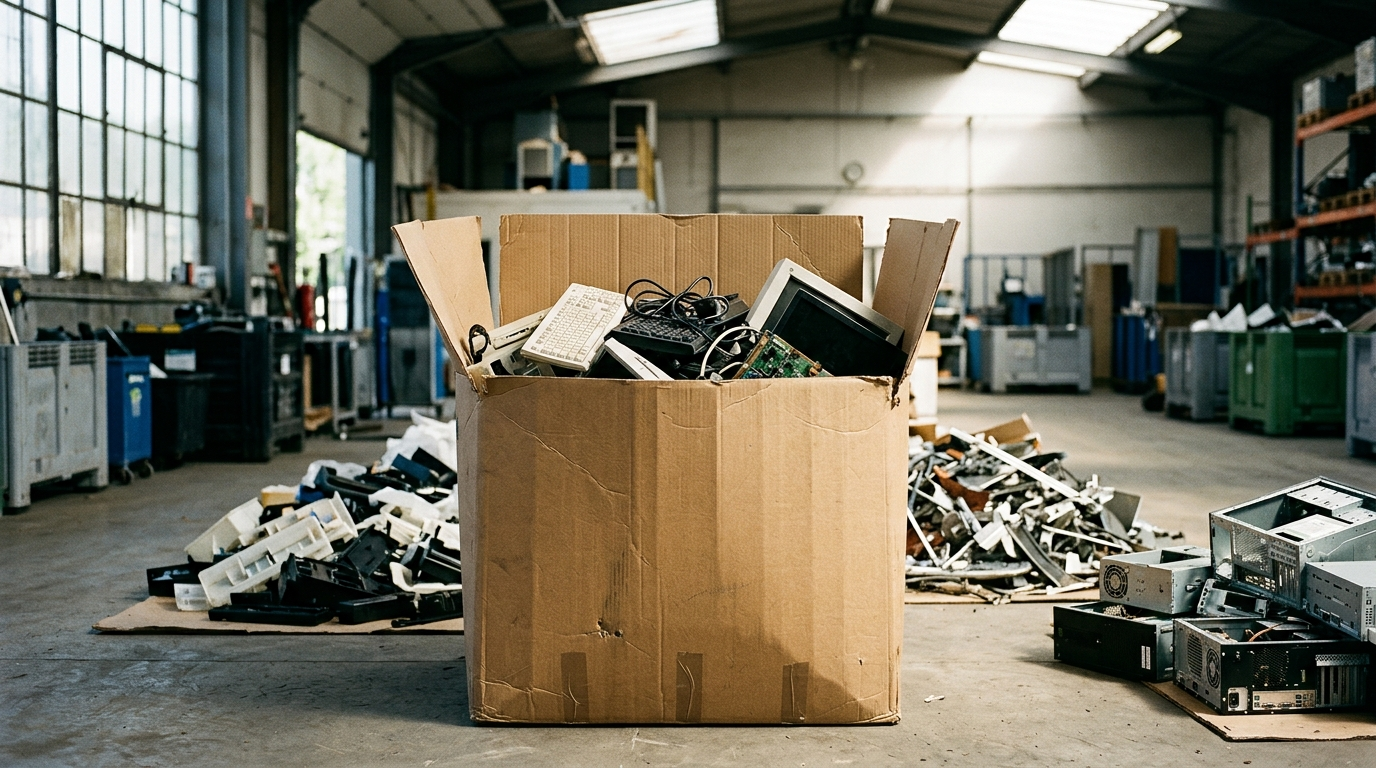
Tech sustainability is on the rise with a predicted growth of 6.7% CAGR from 2026 to 2032 in the e-waste recycling box market, according to QY Research.Inc. This trend highlights the increasing importance of responsible disposal methods for electronic waste as global e-waste continues to escalate.
Last reviewed by Samantha Holloway on 27 July 2026
What's Driving Growth in E-Waste Recycling?
The growth is driven by stringent environmental regulations and rising consumer awareness about tech sustainability issues. The EU WEEE Directive sets ambitious targets like a 65% collection rate, which pushes companies towards innovative recycling solutions. the Basel Convention aims to control transboundary movements of hazardous wastes including e-waste.
According to the Apple Environmental Report 2024, apple recovered over 1 tonne of gold from recycled devices in 2023.
How Does This Affect Electronics Recycling?
It means more efficient and widespread recycling infrastructure will be developed. The increase in recycling boxes will help reduce illegal dumping and encourage proper disposal methods among consumers and businesses alike. For instance, a million mobile phones can yield 35kg of gold, highlighting the importance of capturing these valuable materials through responsible recycling practices.
What Are the Benefits for Consumers?
Consumers benefit from easier access to safe e-waste disposal options. With more recycling boxes available, individuals don't have to rely on infrequent drop-off events or worry about driving long distances to recycling centers. This convenience encourages higher participation rates in tech sustainability efforts.
How Much E-Waste Are We Dealing With?
Global e-waste is projected to reach 62 million tonnes annually by the UN Global E-Waste Monitor's latest report from 2024. Only 22.3% of this waste gets formally recycled worldwide, meaning there's a vast opportunity for improvement in tech sustainability practices.
According to the BankMyCell 2024, iPhones retain trade-in value better than Android phones, losing ~40% in year 1 vs ~55%.
What Role Do Batteries Play?
Batteries are a significant component of e-waste due to the rapid growth of devices dependent on lithium-ion technology. The market for these batteries is expected to reach 2.5 TWh by 2030, according to recent forecasts. Proper battery recycling becomes increasingly critical as it helps in recovering valuable metals and reducing environmental impacts.
What Can We Do Now?
To stay ahead of the curve, individuals should familiarize themselves with local e-waste collection programs. For instance, learning about where and how to recycle batteries safely can make a big difference. Businesses need to invest in recycling technologies that align with new regulations like the EU WEEE Directive or the US's right-to-repair laws.
For more information on tech sustainability practices, check out our guides on urban mining, right-to-repair, and [circular economy principles applied to electronics](/guides/circular-economy-and-electronics). These resources provide practical steps for reducing e-waste and promoting tech sustainability.
Sources
- Apple Environmental Report 2024
- BankMyCell 2024
- Royal Society of Chemistry