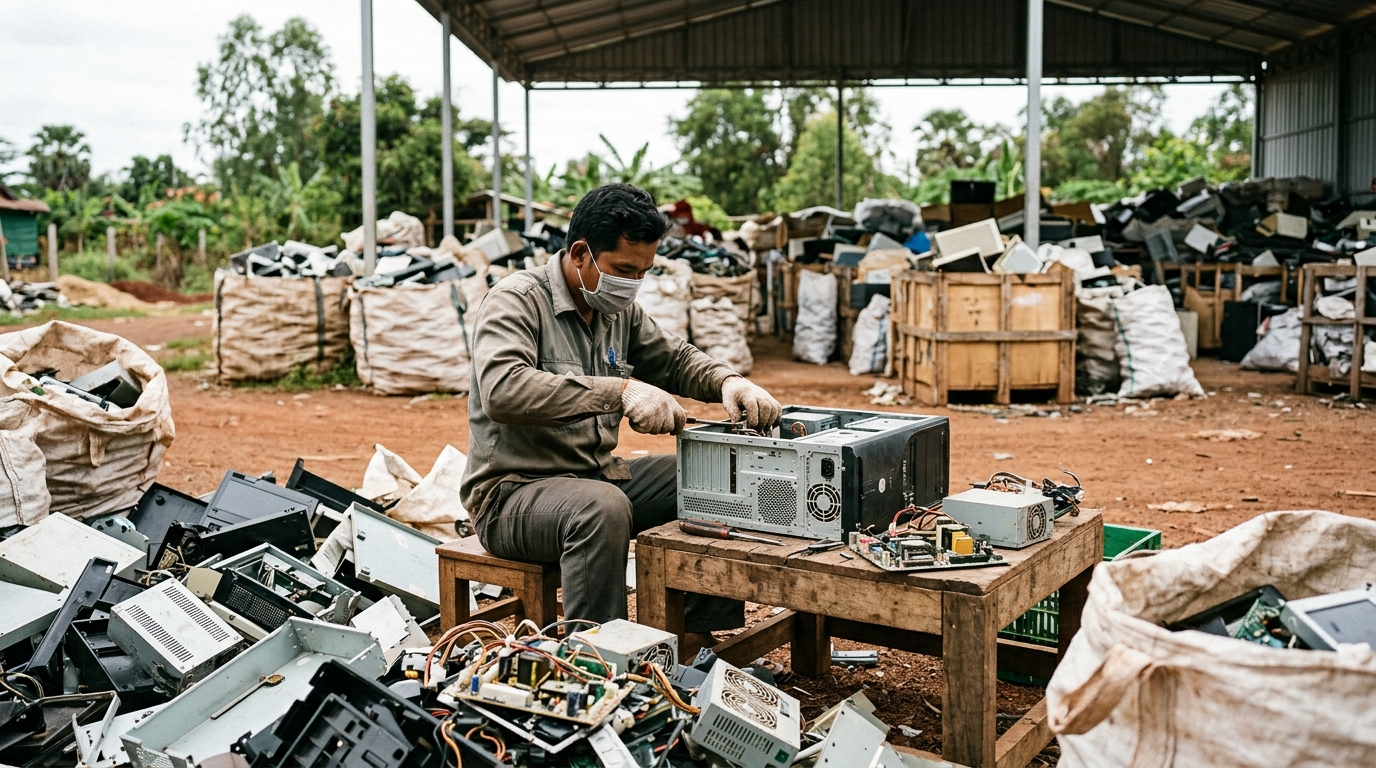
Cambodia continues to ban the import of electronic waste according to a report by Khmer Times, reinforcing its commitment to environmental protection and public health. Cambodia continues to ban the import of electronic waste - Khmer Times This move is significant because it highlights the global challenge in managing e-waste responsibly.
Last reviewed by Samantha Holloway on 29 June 2026
What Does Cambodia's Import Ban Mean for E-Waste Management?
This ban means that countries exporting electronic waste face increased pressure to develop local recycling infrastructure. As of 2026, with the global production of e-waste expected to reach over 62 million tonnes per year, according to the UN Global E-Waste Monitor 2024, finding sustainable disposal methods is critical.
According to the BankMyCell 2024, iPhones retain trade-in value better than Android phones, losing ~40% in year 1 vs ~55%.
The ban reflects Cambodia's adherence to international regulations like the Basel Convention, which aims to control transboundary movements of hazardous and other wastes. By enforcing this policy, Cambodia protects its environment from toxic substances found in e-waste, such as lead and mercury, ensuring that these materials aren't improperly dumped or recycled.
How Does This Affect Electronics Recycling?
This ban affects electronics recycling by redirecting waste towards countries with established recycling programs. For instance, the EU's WEEE Directive requires member states to collect 65% of electrical equipment placed on the market annually. Such regulations provide a model for developing sustainable e-waste management systems.
According to the Royal Society of Chemistry, mobile phones contain up to 60 different elements, including critical raw materials.
With the import ban in place, Cambodia forces manufacturers and consumers to consider alternative methods like urban mining-reclaiming valuable materials from discarded electronics. This practice not only reduces environmental impact but also helps recover precious metals. For example, one million mobile phones contain approximately 35 kilograms of gold and 340 kilograms of silver.
What Are the Legal Implications for Exporters?
Exporters must now comply with stricter regulations or face legal penalties. The ban serves as a warning that exporting electronic waste without proper certification or documentation is illegal under international law, such as the Basel Convention. Non-compliance can result in hefty fines and damage to corporate reputations.
According to the BankMyCell depreciation tracker, The average smartphone loses 35-45% of its trade-in value within the first year.
companies exporting e-waste may need to explore new markets where recycling facilities adhere to high environmental standards. This shift encourages businesses to invest more in sustainable practices and innovative technologies for waste management.
How Can Consumers Contribute to Sustainable E-Waste Disposal?
Consumers can contribute by participating in local take-back programs and properly disposing of their electronics through certified recyclers. At Cambodia continues to ban the import of electronic waste - Khmer Times, in the UK, consumers can use facilities like those listed on the WEEE directive page for guidance on proper disposal.
supporting policies that promote repairability and recycling is important. For example, advocating for a [right-to-repair](/guides/right-to-repair-what-it-means) framework can increase the lifespan of electronic devices, reducing waste at its source.
What Should Businesses Do Now?
Businesses should review their supply chains to ensure that e-waste handling complies with international standards. They must also invest in technologies and partnerships that facilitate sustainable recycling practices. For instance, companies like Apple have committed to using recycled materials in new products, aiming for a closed-loop system where waste is minimized.
businesses can benefit from collaborating with organizations dedicated to promoting circular economy principles. By doing so, they not only meet regulatory requirements but also tap into the growing market of environmentally conscious consumers.
In summary, Cambodia's ban on importing electronic waste highlights the urgent need for a global approach to managing e-waste responsibly. For individuals and corporations alike, adopting sustainable practices isn't just an ethical imperative but a strategic necessity in today's interconnected world.
Sources
- BankMyCell 2024
- Royal Society of Chemistry
- BankMyCell depreciation tracker