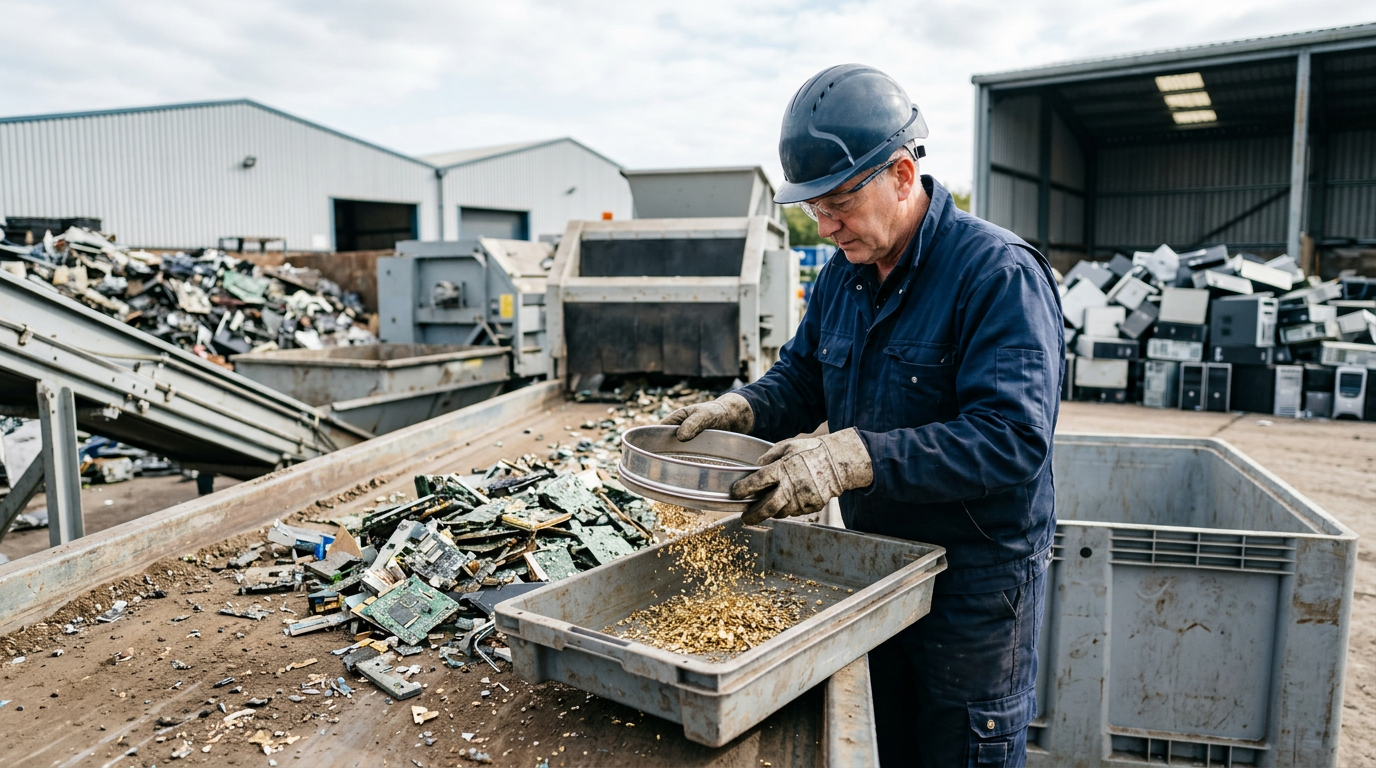
Britain's Royal Mint has announced a new initiative to recover precious metals from electronic waste, aiming to transform the UK's approach to e-waste recycling and urban mining. This move highlights the growing importance of tech sustainability in managing finite resources.
Last reviewed by Samantha Holloway on 04 August 2026
What Is Britain's Royal Mint Doing With Electronic Waste?
The Royal Mint is implementing innovative processes to extract gold, silver, palladium, and other valuable metals from discarded electronics. By doing this, they're not only tapping into a new source of precious materials but also addressing the growing issue of e-waste disposal.
This initiative aligns with global trends in tech sustainability where urban mining-reclaiming valuable resources from used electronics-is becoming increasingly critical. According to the United Nations' Global E-Waste Monitor 2024, the world generates over 62 million tonnes of electronic waste annually, yet only 22.3% is formally recycled. This statistic highlights the urgency and potential benefits of initiatives like those by the Royal Mint.
According to the WHO, improper e-waste disposal releases toxic substances including lead, mercury, and cadmium into soil and water.
The move also supports broader environmental goals related to tech sustainability. As more jurisdictions implement stricter regulations around e-waste management-like the EU's WEEE Directive-the demand for effective recycling solutions increases. The UK's actions set an example for other countries dealing with similar challenges in managing electronic waste responsibly.
How Does This Affect Electronics Recycling?
This initiative significantly boosts electronics recycling efforts by providing a more efficient and economically viable method to recover precious metals from e-waste. By focusing on urban mining, the Royal Mint reduces reliance on traditional mining practices, which are both environmentally destructive and resource-intensive.
extracting valuable materials directly from waste electronics can help close the loop in tech sustainability cycles, promoting a circular economy model where resources are kept within use for longer periods before being recycled or repurposed. This approach is important as smartphones alone contain over 60 different elements, making them rich sources of reusable metals and rare earth minerals.
According to the UN Global E-Waste Monitor 2024, The world generated 62 million tonnes of e-waste in 2022, up 82% from 2010.
What Are the Environmental Benefits?
The environmental benefits of this initiative are substantial, especially given the growing volume of e-waste globally. By recovering materials such as gold and silver from electronic waste, the Royal Mint helps prevent these valuable resources from ending up in landfills or being improperly disposed of, which can lead to soil contamination and water pollution.
urban mining reduces the need for virgin raw material extraction, thereby decreasing greenhouse gas emissions associated with traditional mining operations. For instance, processing one tonne of electronic scrap can yield nearly 150 grams of gold-equivalent to the same amount extracted from 2 tonnes of gold ore. This shift towards more sustainable practices is vital as tech sustainability efforts continue to gain momentum worldwide.
What Are the Economic Implications?
Economically, this initiative represents a significant opportunity for both the Royal Mint and broader e-waste recycling industries. The recovery of precious metals from electronics can generate substantial revenue while also reducing dependency on imported raw materials that are often subject to price volatility.
as global demand for electronic devices continues to rise-particularly in developing regions where access to new technology is expanding rapidly-the potential market for urban mining and similar tech sustainability projects grows exponentially. For example, the lithium-ion battery market alone is projected to reach 2.5 TWh by 2030, highlighting the need for strong recycling infrastructure to manage end-of-life batteries effectively.
How Can Individuals and Businesses Get Involved?
For individuals and businesses looking to support tech sustainability efforts, there are several practical steps that can be taken:
- Proper Disposal of Electronics: Ensure that old or unused devices are disposed of through certified e-waste recycling programs rather than thrown in regular waste bins.
- Promoting Right-to-Repair Initiatives: Advocate for and support policies like the right to repair, which encourages manufacturers to design products with longer lifespans and easier recyclability.
- Educating Others About Urban Mining: Spread awareness about the benefits of urban mining and how it contributes to a circular economy by recovering valuable materials from waste electronics.
According to the European Parliament, less than 1% of rare earth elements in e-waste are currently recycled.
By adopting these practices, both individuals and businesses can play an active role in promoting tech sustainability and contributing to more responsible e-waste management globally.
For more information on specific steps and guidelines related to e-waste recycling and urban mining, visit our guides on right-to-repair and circular economy.
Sources
- WHO
- UN Global E-Waste Monitor 2024
- European Parliament