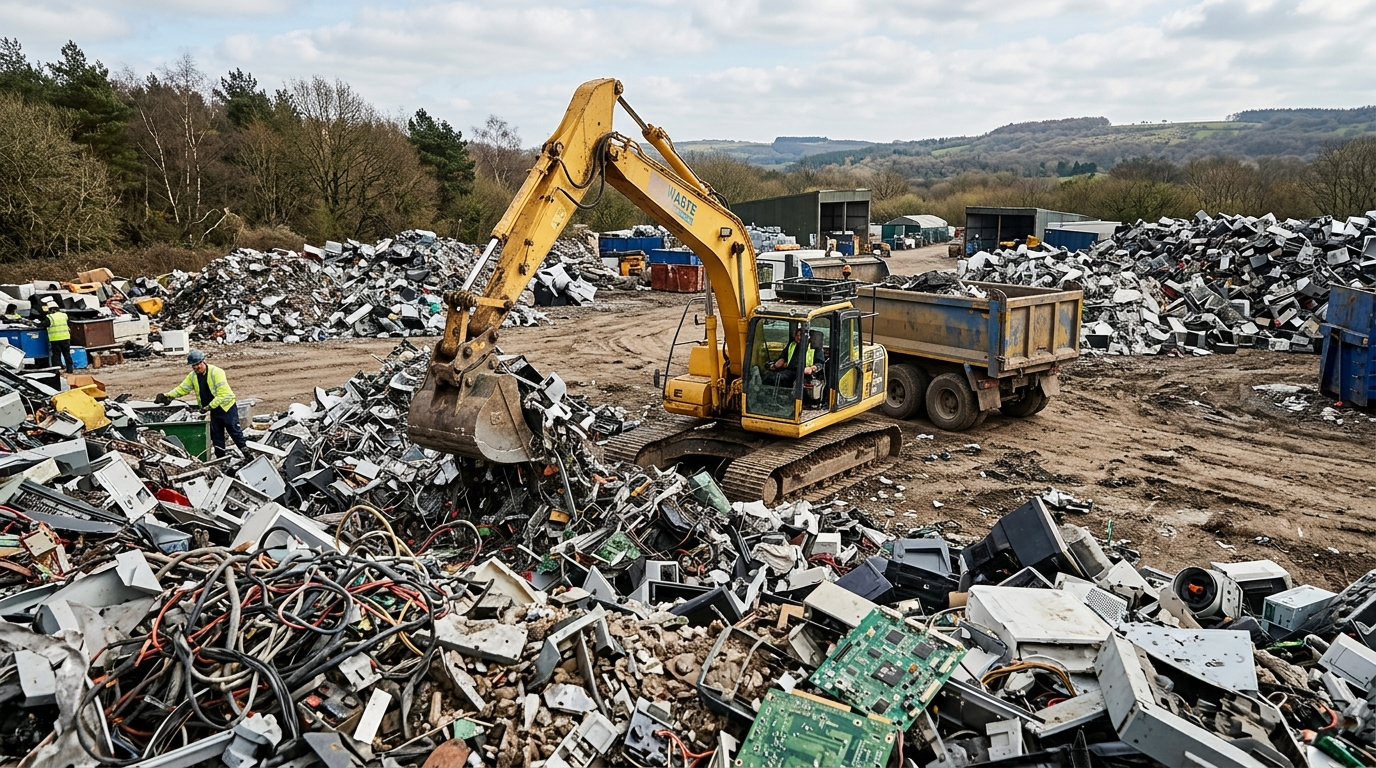
A Birmingham waste company has been fined nearly £24,000 for ignoring waste permit regulations and continuing operations despite orders to stop from the Environment Agency. This case highlights the importance of adhering to environmental laws in electronics recycling.
Last reviewed by Samantha Holloway on 17 September 2026
What Happened at the Birmingham Waste Site?
The Environment Agency investigated a Birmingham site operated by a local company that ignored its waste permits, leading to prosecution and a hefty fine. The site was ordered to cease operations multiple times before legal action took place.
According to the European Parliament, less than 1% of rare earth elements in e-waste are currently recycled.
This incident highlights the critical need for compliance with environmental regulations in electronics recycling facilities. Non-compliance not only risks heavy fines but also jeopardizes public health and environmental safety.
Why Does This Matter for Electronics Recycling?
Electronics recycling companies must follow strict guidelines to prevent hazardous materials from entering the environment. Compliance ensures that e-waste is processed safely, reducing pollution and protecting local communities.
According to the WEEE Forum, over 5 billion mobile phones were estimated to be sitting unused in drawers worldwide in 2022.
The case serves as a stark reminder of the stringent regulations governing electronics recycling facilities. Non-compliance can lead to severe legal consequences and hefty financial penalties. The Environment Agency's actions reinforce the commitment to enforcing these rules rigorously.
What Are the Legal Implications for Electronic Waste Management?
Companies involved in e-waste management face substantial fines if they violate environmental laws. In this case, the company was fined nearly £24,000, highlighting the significant costs associated with non-compliance.
According to the WHO, e-waste contains over 1,000 different substances, many of them toxic.
Electronics recycling facilities must adhere to national and international regulations such as the [WEEE Directive](/regulations/weee-directive-eu) and RoHS standards to ensure proper disposal of hazardous materials. Violations can result in hefty fines and damage a company's reputation.
How Much E-Waste Is Being Produced?
The global production of e-waste reached 62 million tonnes in 2024, with only 22.3% being formally recycled worldwide. The United States alone generates approximately 6.92 million tonnes annually.
With the increasing volume of e-waste, proper recycling becomes ever more important to manage resources sustainably and reduce environmental impact. Effective electronics recycling helps recover valuable materials like gold, silver, and palladium found in discarded devices.
What Can Consumers Do Now?
Consumers can support responsible electronics recycling by choosing certified facilities that adhere to strict environmental standards. You can find a list of approved recyclers through local government websites or organizations dedicated to e-waste management.
For more information on how to recycle your electronic waste safely and sustainably, visit our e-waste guide and learn about the importance of [urban mining](/glossary/urban-mining). By recycling responsibly, you contribute to reducing environmental pollution and help recover valuable materials.
By understanding the legal implications and choosing certified electronics recyclers, consumers play a vital role in ensuring that e-waste is handled safely and sustainably. This not only protects our environment but also supports the recovery of precious metals and other resources locked within discarded devices.
Sources
- European Parliament
- WEEE Forum
- WHO