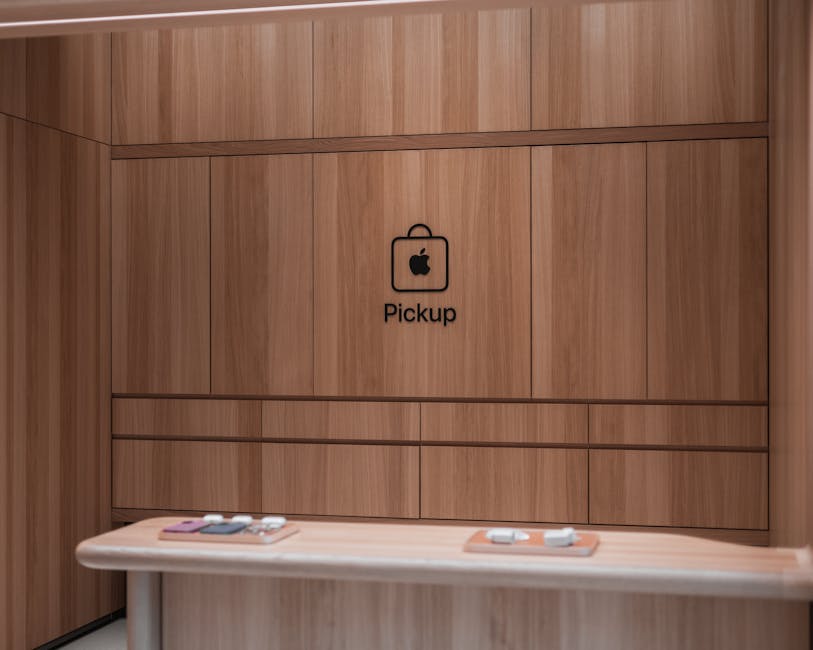
Apple Trade In and Recycling is a crucial service provided by Apple that enables users to responsibly manage their old electronic devices through trade-in options. Customers can bring their outdated gadgets to any Apple Store or use the online platform to exchange them for credit towards new Apple products or receive store credit. Since its inception in 2013, this program has recycled over 2,000 metric tons of e-waste annually, significantly contributing to environmental conservation efforts by reducing the impact of discarded electronics. Apple Trade In and Recycling accepts a wide range of devices including iPhones, iPads, Macs, and more, making it convenient for users to participate in sustainable practices.
ing state.
Confirm the current fee, accepted items, and any state exemption on the program's official website before you go.
Verified as of June 2026. US recycling fees are state-dependent and subject to change.
How Apple Trade In and Recycling compares to alternatives
Always compare 2-3 recycling options before committing - different services have different acceptance, fees, and turnaround. Major alternatives:
- Manufacturer take-back (Apple, Samsung, Dell, HP): usually free, factory-reset assistance, brand-loyal experience. See our Manufacturer Take-Back Finder.
- Local certified ITAD provider (for commercial scale): better pricing on volume, certified data destruction, audit trail. See our free B2B ITAD quote service.
- Municipal HHW collection day: free, twice-yearly typically, accepts hazardous variants.
- Charity donation (Goodwill, Salvation Army, British Heart Foundation): tax-deductible (US), accepts working devices, gives device second life.
Data security: what Apple Trade In and Recycling actually does with your data
For data-bearing devices (laptops, phones, tablets), the safest practice:
- Wipe the device yourself before drop-off. Settings → Erase All Content (iOS / macOS) or Settings → System → Reset (Android / Windows).
- For sensitive data: physical destruction is the gold standard. Most consumer recyclers offer software wipe; few offer physical destruction at consumer scale.
- Request a Certificate of Destruction if available - required for regulated data (HIPAA, GLBA, GDPR special category).
- For business / regulated data: use a certified ITAD provider with NIST data sanitisation standard sanitisation + NAID AAA certification. See our Hard Drive Destruction Cost Calculator + GDPR Data Erasure Certificate Generator.
Carbon impact of recycling vs landfill via Apple Trade In and Recycling
Per EPA RAD Programme data + EU WEEE impact assessments: properly recycling consumer electronics saves approximately 50-90% of the embodied carbon vs new manufacturing + landfill of old device. For a typical laptop: ~70 kg CO2e saved per device. For a smartphone: ~80 kg CO2e saved.
See our E-Waste Carbon Footprint Calculator for project-specific quantification.
Frequently asked questions
Does Apple Trade In and Recycling actually recycle my device, or just resell it?
Both. Working devices in good condition (typically post-2018 smartphones, post-2017 laptops) are refurbished + resold or trade-in credit issued. Devices below resale threshold are sent to certified recyclers for material recovery. Either path is environmentally better than landfill.
Is Apple Trade In and Recycling certified?
Modern retailer-run programmes (Best Buy, Currys, Apple, Samsung, Walmart, etc.) partner with R2v3 / R2 vs e-Stewards / ISO 14001-certified downstream processors. Smaller or non-retail programmes vary - always ask which certification standard the processor holds.
What if my device still has trade-in value?
Don't just recycle - get a trade-in quote first. Use our Trade-In Best Price Finder to compare 7 buyback services. Even a 5-year-old smartphone often fetches £25-£80 in trade-in vs zero from recycling.
Will Apple Trade In and Recycling pick up bulky items from my home?
Usually only when bundled with a new appliance purchase. For standalone pickup of bulky items (CRT TVs, large refrigerators, washing machines): see our Appliance Disposal Cost guides for compliant routes.
Can I track what happens to my device after drop-off?
Most consumer programmes don't offer end-user tracking - the chain-of-custody is internal to the recycling network. For business / regulated decommissioning where chain-of-custody documentation matters: use a certified ITAD provider via our B2B service.
What's the most environmentally responsible recycling option?
In order of decreasing environmental benefit: (1) repair + continue using, (2) trade-in + resale + reuse, (3) refurbishment for second-life, (4) material recovery via certified recycler, (5) controlled disposal at hazardous-waste facility. Avoid landfill - illegal in most jurisdictions and environmentally worst outcome.
Related guides + tools
---
Service details verified against Apple Trade In and Recycling's most recent published policies + EU WEEE Directive 2012/19/EU + UK WEEE Regulations 2013 + US state-level e-waste regulations as of 2026-05-20. Recycler policies update quarterly - always verify current accepted items + fees on Apple Trade In and Recycling's own site before transporting devices. Operated by Defining Style Limited (UK Companies House 10572391, ICO Registration ZA711914).