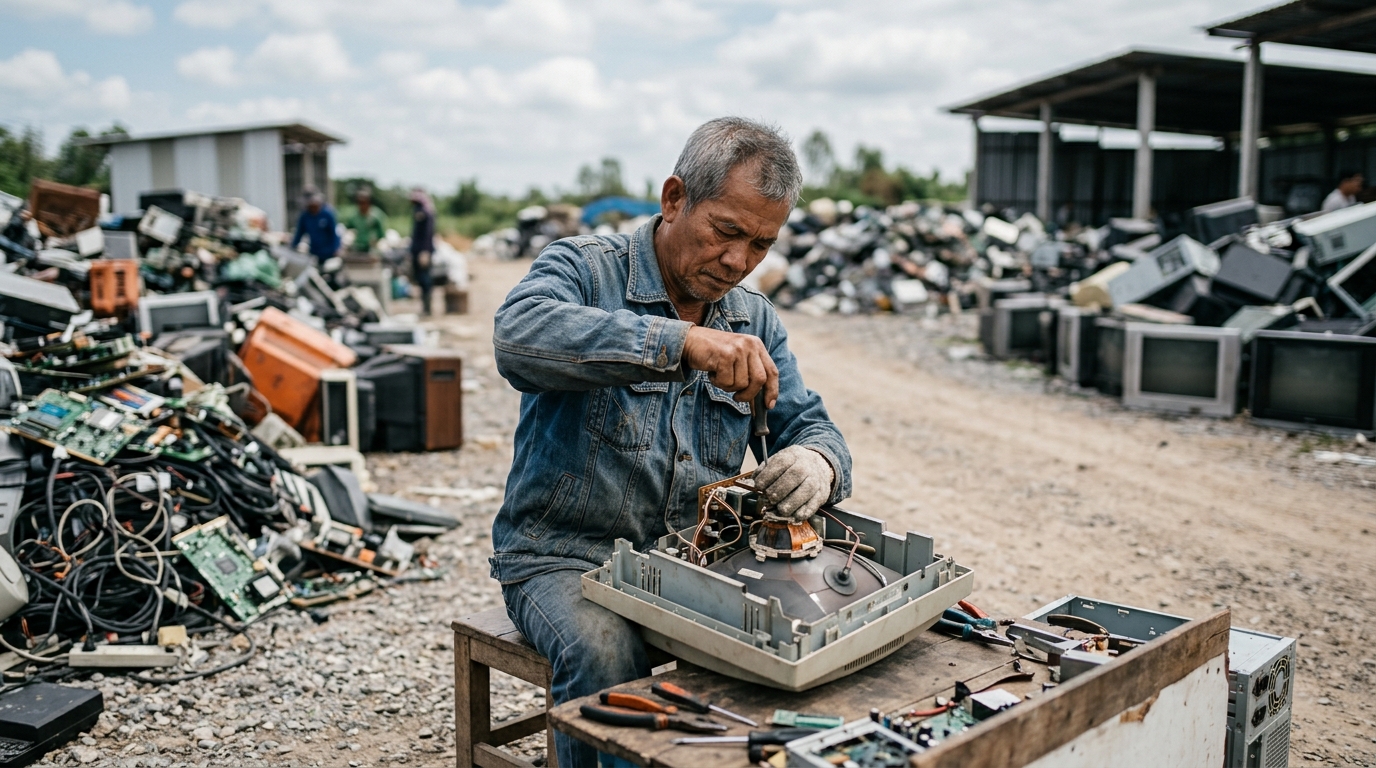
According to WORLDWIDE WEDNESDAY: ELECTRONIC WASTE - WJHG, the global e-waste crisis is worsening with an estimated 62 million tonnes of electronic waste generated annually worldwide as of 2024. This staggering amount highlights the urgent need for better recycling and disposal practices.
Last reviewed by Samantha Holloway on 23 July 2026
What Are the Financial Implications of E-Waste?
The financial implications are significant. WORLDWIDE WEDNESDAY: ELECTRONIC WASTE - WJHG reports that only 22.3% of global e-waste is formally recycled, indicating a massive loss in potential revenue from recyclable materials. For instance, one million smartphones contain approximately 35kg of gold and 340kg of silver. The failure to recycle these devices means billions of dollars in recoverable resources are lost annually.
According to the European Parliament, less than 1% of rare earth elements in e-waste are currently recycled.
How Much E-Waste Does the US Generate?
The United States generates an impressive amount of e-waste annually-6.92 million tonnes, according to recent reports. This figure highlights the critical need for more effective recycling programs and policies that encourage responsible disposal of electronics. In comparison, the EU has set ambitious targets with a 65% collection rate goal by 2030.
What Percentage of E-Waste Is Recycled Globally?
Worldwide, only 22.3% of e-waste is formally recycled as per the latest data from the UN Global E-Waste Monitor (2024). This means that a staggering amount of potentially valuable materials ends up in landfills or incinerators. Recycling rates vary widely across regions; for example. Europe leads with higher collection rates but still falls short of full recovery.
How Does This Affect Electronics Recycling?
This situation creates both challenges and opportunities for electronics recycling. The high concentration of precious metals like gold and silver in devices like smartphones-about 60 different elements on average-means there's a substantial economic incentive to recycle these items properly. However, the lack of formal recycling infrastructure means that much of this value is lost.
According to the WEEE Forum, over 5 billion mobile phones were estimated to be sitting unused in drawers worldwide in 2022.
What Are Some Key Regulations Governing E-Waste?
Several key regulations aim to tackle e-waste responsibly. In Europe, the WEEE Directive mandates collection and recovery targets for electrical equipment. Meanwhile, RoHS restricts hazardous substances in electronics manufacturing. The Basel Convention also plays a important role by regulating the movement of waste across borders.
What Can We Do Now?
To address these issues, individuals should prioritize using services like WORLDWIDE WEDNESDAY: ELECTRONIC WASTE - WJHG to recycle their devices responsibly. Businesses and governments must invest in better recycling infrastructure and support initiatives that promote circular economy practices. Additionally, advocating for policies that enforce stricter e-waste regulations can significantly improve the situation globally.
For more information on specific actions, check out our guides on [right-to-repair](/guides/right-to-repair-what-it-means) and circular economy. These resources provide practical steps towards a more sustainable electronics industry.
Sources
- European Parliament
- WEEE Forum
- WHO