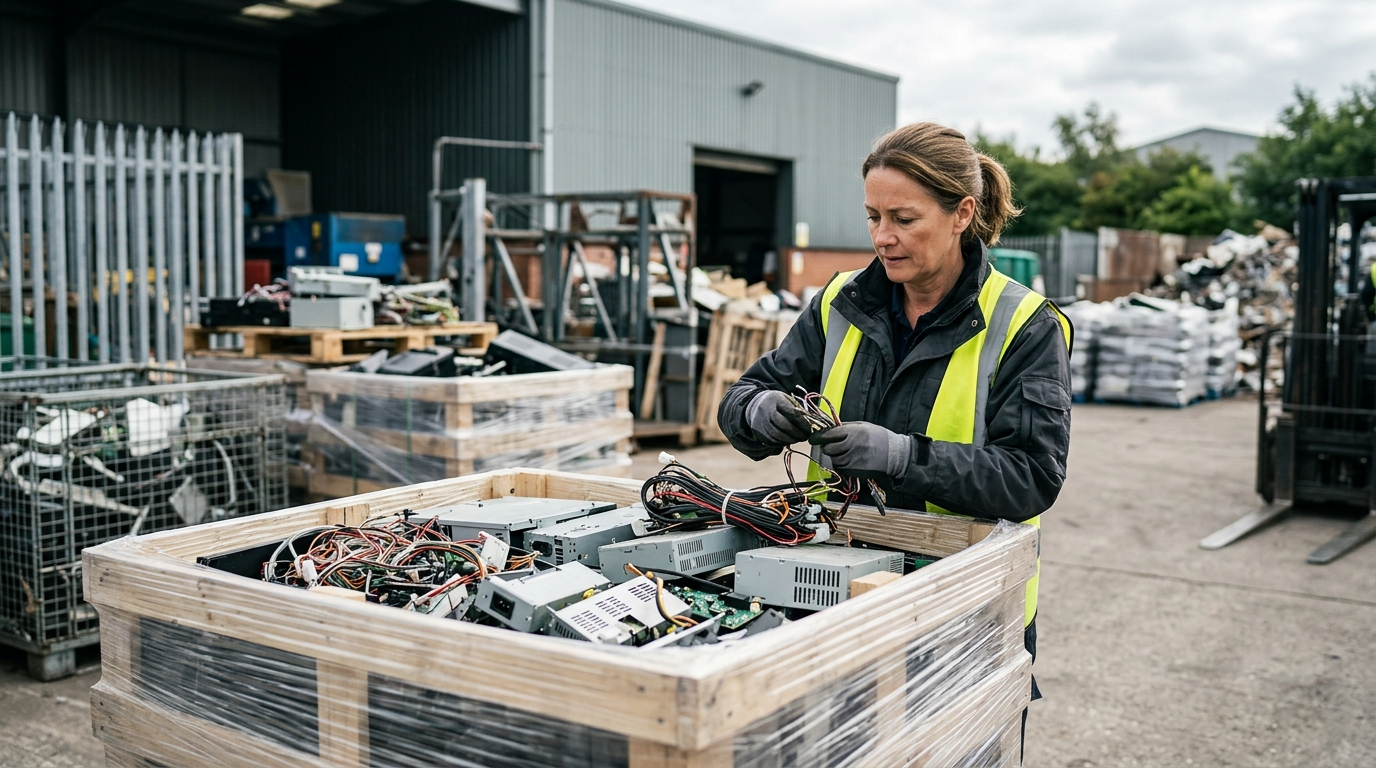
The UK Environment Agency has updated its guidelines for becoming an approved exporter of waste electrical and electronic equipment (WEEE), making the process clearer and more accessible starting July 2026. electronics recycling This move is important as it ensures that businesses involved in exporting e-waste comply with strict environmental regulations, protecting both the environment and human health.
Last reviewed by Samantha Holloway on 30 July 2026
What Are the New Guidelines for WEEE Exporters?
The new guidelines make it easier to understand the requirements for becoming an approved exporter of WEEE under UK law. Starting July 2026, companies must submit detailed documentation on their waste management practices and track each consignment of exported e-waste accurately. This update aims to streamline compliance processes while maintaining high environmental standards.
According to the World Economic Forum, e-waste is the fastest-growing waste stream globally.
The global volume of electronic waste is staggering, with the UN Global E-Waste Monitor estimating that over 62 million tonnes were generated in 2024 alone. Only about 22.3% of this e-waste was formally recycled worldwide, highlighting the critical need for stringent regulations to ensure proper disposal and recycling methods.
How Does This Affect Electronics Recycling?
This update affects electronics recycling by setting clearer legal parameters for exporting WEEE. Which directly impacts how businesses handle electronic waste. Companies must now adhere to stricter documentation requirements and traceability standards when dealing with e-waste exports. For instance, the process of becoming an approved exporter involves submitting full information about waste management practices, handling over 20 different categories of electronics.
According to the Apple Environmental Report 2024, apple recovered over 1 tonne of gold from recycled devices in 2023.
The EU's WEEE collection target is set at 65% by weight of electrical goods placed on the market annually, highlighting a significant push for increased recycling rates across member states. These guidelines not only ensure that businesses comply with legal requirements but also promote sustainable e-waste management practices globally.
What Are the Benefits of Becoming an Approved Exporter?
Approved exporters benefit from enhanced credibility and compliance within the industry. By adhering to these new guidelines, companies can demonstrate their commitment to responsible waste handling and recycling practices. This certification opens doors for international trade while building trust among consumers concerned about environmental impact.
According to the BankMyCell 2024, iPhones retain trade-in value better than Android phones, losing ~40% in year 1 vs ~55%.
For instance, a company exporting 1 million smartphones would contain approximately 35kg of gold, 340kg of silver, and 15kg of palladium-valuable resources that can be recovered through proper recycling methods. Ensuring these materials are managed safely under the updated guidelines helps prevent environmental degradation and supports a circular economy approach.
What Should Consumers Do Now?
Consumers should take advantage of local e-waste collection programs to responsibly dispose of outdated electronics. Additionally, supporting businesses that have obtained approved exporter status ensures that your electronic waste is handled legally and sustainably. For more information on the right to repair and how it can impact your daily life. Check out our guide on [right-to-repair](/guides/right-to-repair-what-it-means).
The updated guidelines will take effect in July 2026, so businesses should start preparing by reviewing their waste management practices and ensuring compliance with new documentation requirements. This proactive approach not only helps avoid potential legal issues but also contributes to a cleaner environment for all.
For further details on how to become an approved exporter under the UK Environment Agency's updated guidelines, visit this page.
Sources
- World Economic Forum
- Apple Environmental Report 2024
- BankMyCell 2024