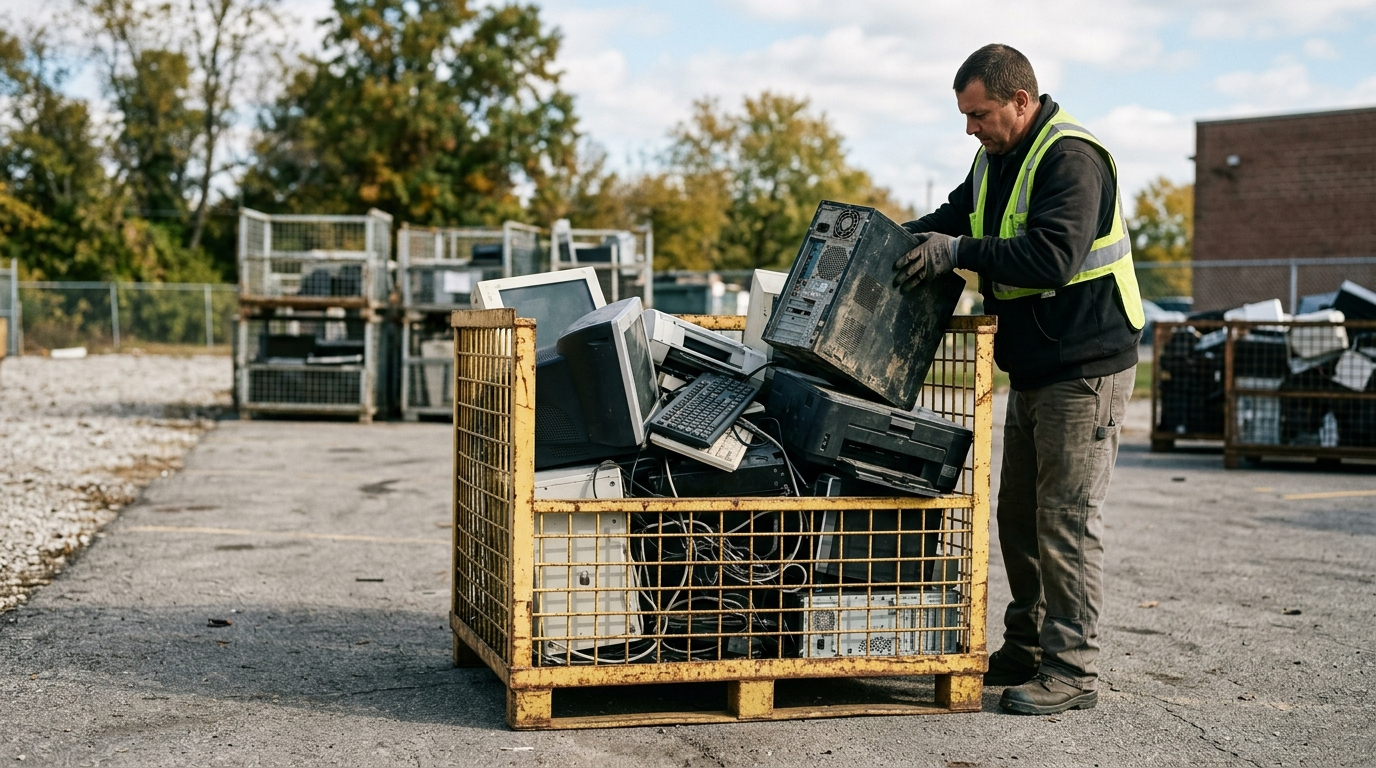
Trotwood is hosting an electronic waste recycling event starting Monday, a move aimed at reducing the environmental impact of e-waste in the community. tech sustainability This initiative comes as global e-waste levels continue to rise, with 62 million tonnes generated annually worldwide according to the UN Global E-Waste Monitor 2024.
Last reviewed by Samantha Holloway on 09 August 2026
How Does This Affect Electronics Recycling?
The event allows residents to drop off old electronics for proper disposal and recycling, thereby diverting waste from landfills. It's part of a broader strategy to increase formal e-waste recycling rates, which currently stand at just 22.3% globally.
Trotwood's event is one of many community-led initiatives that aim to address the growing issue of electronic waste, with a particular focus on educating the public about responsible disposal methods and encouraging participation in local recycling programs. The city is partnering with several local businesses and non-profits to ensure efficient processing and compliance with environmental regulations.
According to the BankMyCell depreciation tracker, The average smartphone loses 35-45% of its trade-in value within the first year.
What Kinds of Electronics Can Be Recycled?
Residents can bring items such as computers, phones, televisions, printers, and batteries. Each type of device contains valuable materials that can be recovered through recycling-like gold, silver, and palladium-that would otherwise end up in landfills or incinerators if not properly recycled.
For instance, 1 million smartphones contain approximately 35kg of gold and 340kg of silver, making the recovery of these precious metals a significant economic incentive for recycling. The event will also provide information on how to safely dispose of hazardous materials like lithium-ion batteries, which are increasingly common in today's devices.
Why Is This Event Important?
By providing residents with convenient access to e-waste collection services, Trotwood aims to improve community engagement and raise awareness about the environmental benefits of recycling. The event is particularly timely given recent regulations and directives aimed at reducing waste, such as the EU
WEEE Directive requiring 65% of electronics placed on the market to be collected for recycling by 2030.
What Should People Do Now?
Residents should take advantage of this opportunity by gathering their old or unwanted electronics before attending the event. It's also a good time to learn more about local and national recycling programs, which can help reduce e-waste year-round. For those who can't make it to Trotwood's event, there are many other options available-check out our
e-cycling resources for guidance on finding the nearest collection centers.
In addition, consider adopting practices that promote a circular economy and reduce waste generation altogether. This includes repairing rather than replacing devices when possible and choosing products designed for longevity and easy recycling. For more information on these topics, see our guides on [right-to-repair](/guides/right-to-repair-what-it-means), circular economy, and [urban mining](/glossary/urban-mining).
Sources
- BankMyCell depreciation tracker
- UNEP
- WHO