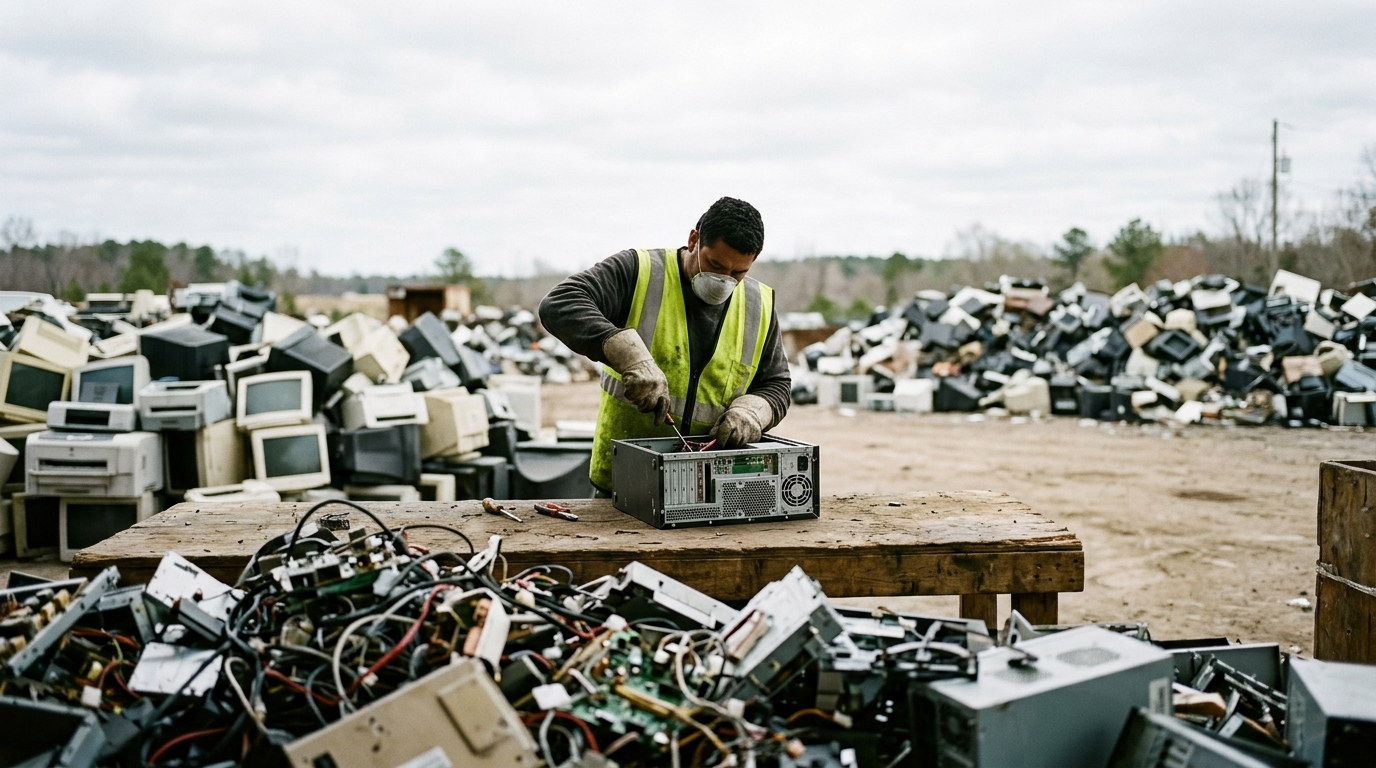
In June 2026, The Hidden Costs of E-Waste Recycling: Regulatory, Economic, and Environmental Challenges in 2026 - IndexBox revealed that the cost of recycling electronics is set to increase significantly due to stricter regulations and higher material recovery standards. This matters because it will impact both consumers and businesses who rely on responsible e-waste management.
Last reviewed by Samantha Holloway on 05 June 2026
What Are The Key Findings From The Hidden Costs Report?
The report highlights major challenges in regulatory compliance, economic viability, and environmental protection related to e-waste recycling. By 2030, the cost of processing a tonne of
electronic waste could increase by up to 45% due to stricter regulations like RoHS (Restriction of Hazardous Substances) directives across Europe.
The report also emphasizes that global e-waste is projected to reach 74 million tonnes annually by 2030, making the need for sustainable recycling practices more critical than ever. The EU WEEE Directive aims for a collection rate of 65% of electrical and electronic equipment placed on the market each year.
According to the European Parliament, less than 1% of rare earth elements in e-waste are currently recycled.
How Does This Affect Electronics Recycling?
Recyclers must comply with stringent regulations which raise operational costs significantly. For example, the cost to recycle one tonne of e-waste in Europe could rise from €200 to €300 per tonne by 2030 due to enhanced material recovery requirements and waste management directives.
The increased expenses translate into higher prices for consumers when they drop off old devices at recycling centers. However, the long-term benefits of these regulations far outweigh the immediate costs-they ensure safer handling of toxic substances like lead or mercury found in electronics and promote better environmental practices.
What Are The Economic Implications For Recyclers And Consumers?
Recycling companies face mounting operational expenses as they must invest in advanced technologies to meet new regulatory standards. Consequently, consumers might see a rise in recycling fees which could range from 5% to 10% over the next five years due to these added costs.
The report also highlights the economic value of e-waste recovery; for instance, one million discarded phones can yield about 35kg of gold and 340kg of silver. These precious metals are important raw materials in electronics manufacturing, highlighting the importance of recycling not just from an environmental perspective but also economically.
What Environmental Challenges Do Recyclers Face?
Recycling plants must handle hazardous materials responsibly while recovering valuable components. Inefficient processes can lead to pollution and health risks for workers and nearby communities. For example, improper disposal methods contribute to soil contamination with heavy metals like cadmium or arsenic present in circuit boards.
the rapid growth of lithium-ion batteries presents unique recycling challenges due to their complex chemical composition. The global market for lithium-ion battery storage is forecasted to reach 2.5 TWh by 2030, emphasizing the need for strong recycling infrastructure to manage these potentially toxic waste streams effectively.
According to the WEEE Forum, over 5 billion mobile phones were estimated to be sitting unused in drawers worldwide in 2022.
What Can Be Done To Mitigate These Challenges?
To address rising costs and environmental risks, recyclers should focus on adopting efficient technologies that enhance material recovery rates without compromising safety protocols. Governments can support this transition through subsidies or tax incentives aimed at encouraging innovation in the recycling sector.
Consumers play a important role too by opting for certified recyclers who adhere to strict environmental standards. Additionally, promoting awareness about the benefits of urban mining-recovering valuable metals and minerals from discarded electronics-can drive more people towards responsible disposal practices.
For businesses, integrating circular economy principles into product design can reduce waste generation at its source. This approach includes designing products that are easier to recycle or refurbish rather than simply discarding them after use.
According to the WHO, e-waste contains over 1,000 different substances, many of them toxic.
Conclusion
As e-waste continues to grow globally, adhering to stringent recycling regulations becomes increasingly important for both environmental and economic reasons. By understanding the hidden costs associated with these practices and taking proactive measures, we can work towards more sustainable electronics management in the future.
For further information on how you can support responsible e-waste disposal, check out our guide on [right-to-repair](/guides/right-to-repair-what-it-means) or explore ways to implement a circular economy for your business through circular economy and electronics.
Sources
- European Parliament
- WEEE Forum
- WHO