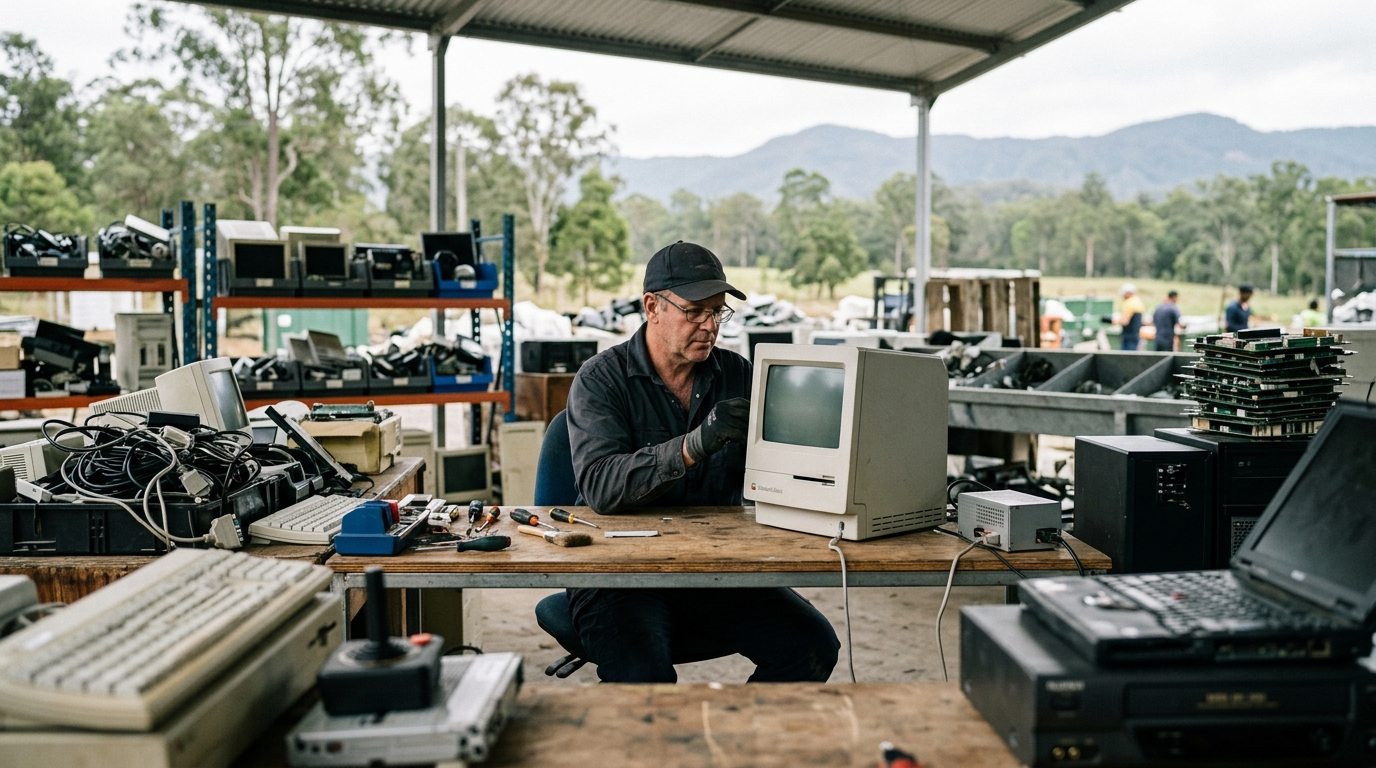
In August 2026, Back Market introduced a new feature allowing consumers to purchase retro tech devices in addition to refurbished ones. This development is important for electronics recycling because it opens up new markets and revenue streams for recycled products.
Last reviewed by Samantha Holloway on 20 August 2026
How Does This Affect Electronics Recycling?
This initiative encourages the reuse of older technology rather than discarding it, which helps reduce e-waste significantly. For example, if 1 million phones are kept in use through refurbishment or resale instead of being discarded, we can save approximately 35kg of gold and 340kg of silver annually.
Back Market's expansion into retro tech not only offers consumers a unique buying experience but also supports sustainable practices within the electronics industry. By promoting longer product lifespans, Back Market is contributing to the reduction of e-waste, which currently stands at an alarming 62 million tonnes per year globally according to the UN Global E-Waste Monitor 2024.
According to the Shift Project, manufacturing a new smartphone produces 50-80kg of co2 equivalent.
this move aligns with broader sustainability goals aimed at increasing recycling rates. Currently, only about 22.3% of global e-waste is formally recycled worldwide, leaving a massive gap in resource recovery and environmental protection efforts. Encouraging consumers to buy retro tech can help bridge this gap by extending the lifecycle of electronics.
What Are Some Key Benefits for Consumers?
Consumers benefit from purchasing retro tech as it provides access to unique, vintage devices that might not be available otherwise. Additionally, buying these items supports a
circular economy model, reducing reliance on new production and conserving natural resources. For instance, smartphones contain over 60 different elements, many of which are rare or hazardous.
Retro tech also addresses the issue of planned obsolescence, where manufacturers design products with shorter lifespans to encourage frequent replacements. By opting for older devices that are refurbished and reliable, consumers can challenge this practice and support more sustainable manufacturing practices moving forward.
According to the World Economic Forum, e-waste is the fastest-growing waste stream globally.
How Does This Impact Environmental Regulations?
The introduction of retro tech by Back Market complements existing regulations such as the
WEEE Directive in Europe, which sets collection targets for
electronic waste at 65% of electronics placed on the market. Similarly, the
Basel Convention aims to control the export and import of hazardous wastes-including e-waste-between countries.
By promoting the reuse and resale of older tech, Back Market helps meet these regulatory requirements while also pushing industries towards more sustainable practices. For instance, extending product lifespans through refurbishment aligns with the EU's Circular Economy Action Plan, which seeks to transform Europe into a circular economy where waste is minimized, and resources are kept in use for as long as possible.
What Are Some Challenges Faced by Electronics Recycling?
One significant challenge is ensuring that retro tech items meet modern safety standards. As older devices may lack certain features or certifications required today, recycling organizations must invest in testing facilities to verify the safety and functionality of these products before resale.
Another issue lies with battery management in retro tech devices. With the rise of lithium-ion batteries in various electronics, proper disposal becomes critical due to their hazardous nature. According to industry forecasts, the lithium-ion battery market is expected to reach 2.5 TWh by 2030, highlighting the need for strong recycling infrastructure to handle these materials safely and efficiently.
What Can Consumers Do Now?
Consumers can contribute to sustainable electronics practices by considering retro tech options available on platforms like Back Market. Additionally, they should ensure that any devices they no longer use are responsibly recycled through certified facilities adhering to standards such as WEEE or RoHS.
For those interested in learning more about responsible recycling practices, visiting sites dedicated to e-waste management can provide valuable insights and guidance. For example, the e-waste page on ecyclingcentral.com offers full information on proper disposal methods and the importance of choosing certified recyclers.
According to the Apple Environmental Report 2024, apple recovered over 1 tonne of gold from recycled devices in 2023.
In summary, Back Market's initiative to sell retro tech is a positive step towards reducing e-waste and promoting sustainable consumption patterns. By embracing this trend and supporting responsible recycling practices, both consumers and businesses can help build a more circular economy for electronics.
Sources
- Shift Project
- World Economic Forum
- Apple Environmental Report 2024