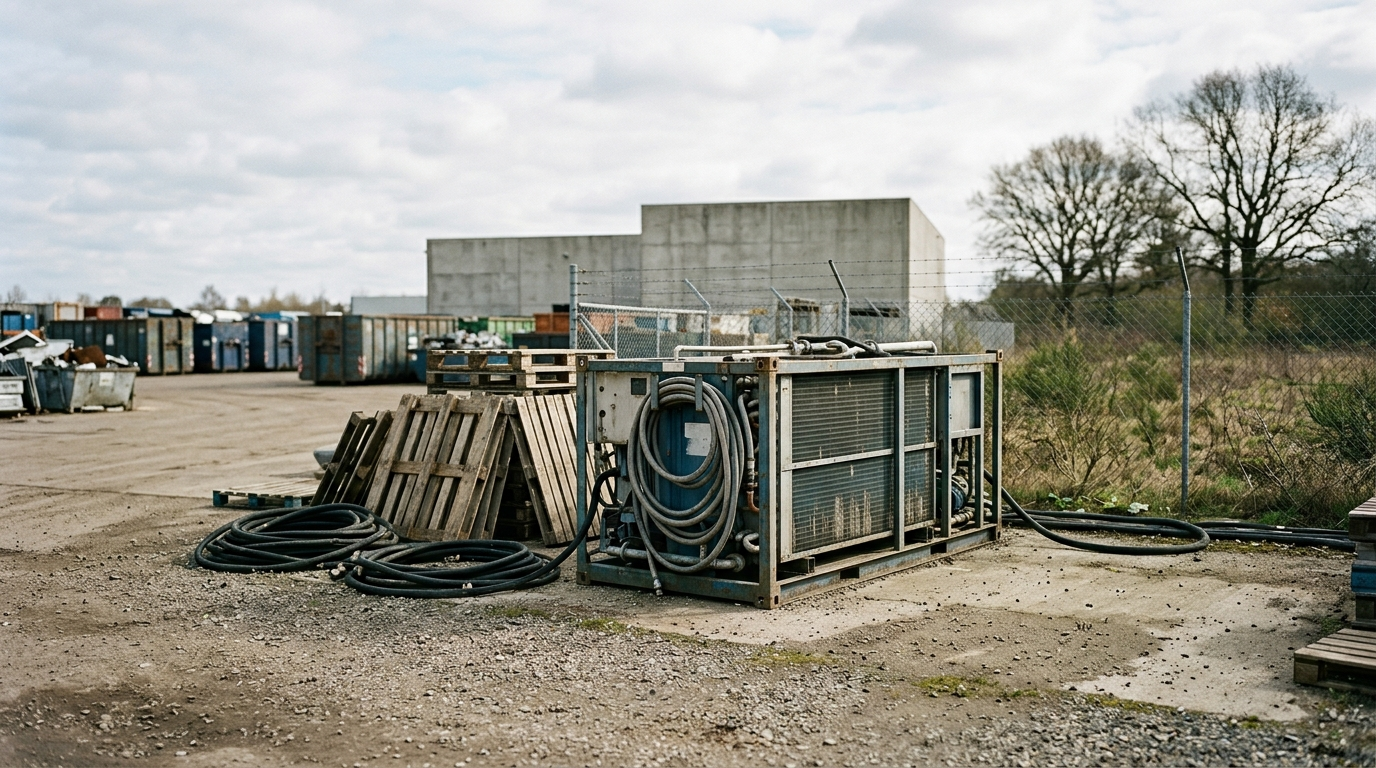
The UK Environment Agency recently updated its regulatory position on Temporary waste temperature exchange equipment (WTEE) storage due to national treatment capacity constraints: RPS 375, providing new guidelines for managing WTEE when current treatment facilities can't handle the volume of waste.
Last reviewed by Samantha Holloway on 20 July 2026
What Is the New Regulatory Position on WTEE Storage?
As of July 2026, the UK Environment Agency has issued RPS 375, which outlines specific conditions under which businesses can exceed storage capacity at permitted or unpermitted sites in response to national treatment constraints. This regulation is particularly relevant for companies dealing with e-waste and other hazardous materials.
According to the World Economic Forum, e-waste is the fastest-growing waste stream globally.
This update matters because it provides clarity on how to manage waste when standard disposal options are overwhelmed. For instance, during peak seasons like the holidays, electronics recycling facilities often face capacity limits. RPS 375 offers a pathway to handle overflow without violating environmental laws.
How Does This Affect Electronics Recycling?
RPS 375 allows for temporary storage of WTEE at locations beyond their usual permitted limits when national treatment capacities are exceeded. For example, a company might store up to twice the normal amount if it can demonstrate that current facilities can't accommodate the waste generated during specific periods.
According to the Apple Environmental Report 2024, apple recovered over 1 tonne of gold from recycled devices in 2023.
This flexibility is important as global e-waste production hit 62 million tonnes in 2024, with only 22.3% formally recycled worldwide. RPS 375 ensures businesses can comply with environmental regulations even when faced with temporary surges in waste volume.
What Are the Key Requirements for Exceeding Storage Capacity?
Businesses must demonstrate that existing treatment capacities are insufficient and that exceeding storage limits is necessary to prevent illegal dumping or other environmental harm. Temporary waste temperature exchange equipment (WTEE) storage due to national treatment capacity constraints: RPS 375 also need to show a plan for returning to normal compliance as soon as capacity issues resolve.
According to the BankMyCell 2024, iPhones retain trade-in value better than Android phones, losing ~40% in year 1 vs ~55%.
For instance, if a UK recycling facility serves an area producing 10 million tonnes of e-waste annually but can only process 8 million tonnes due to equipment limitations, RPS 375 allows them to temporarily store the excess until additional treatment capabilities are in place.
What Are the Consequences for Non-Compliance?
Failure to adhere to RPS 375 guidelines can result in severe penalties. Companies found storing WTEE beyond permitted limits without proper justification face fines and potential legal action from environmental regulators.
According to UK Environment Agency statistics, over 10% of reported violations related to waste management in the past year involved unauthorized storage practices. By following these new regulations, businesses can avoid such issues and maintain compliance.
How Can Businesses Ensure Compliance with RPS 375?
To comply with RPS 375, companies should thoroughly document their capacity limitations, justify temporary storage needs based on current constraints, and provide a clear timeline for returning to normal operations. Regular audits by independent environmental consultants can also help identify potential compliance risks early.
For example, an electronics recycling firm could hire third-party auditors to assess its waste management practices against RPS 375 requirements every six months. This proactive approach helps ensure ongoing adherence to the regulations and minimizes legal exposure.
What Should You Do Now?
Businesses dealing with WTEE should review their current storage protocols in light of RPS 375 guidelines. Engaging environmental consultants can provide tailored advice on how best to manage temporary capacity constraints while staying compliant with UK laws.
companies should stay informed about upcoming changes to waste management regulations by regularly consulting resources like the Environment Agency website or subscribing to industry updates. This proactive stance will help deal with future regulatory shifts smoothly and responsibly.
By taking these steps now, businesses can ensure they're prepared for any potential capacity issues in the future while continuing to contribute positively towards sustainable e-waste disposal practices.
Sources
- World Economic Forum
- Apple Environmental Report 2024
- BankMyCell 2024