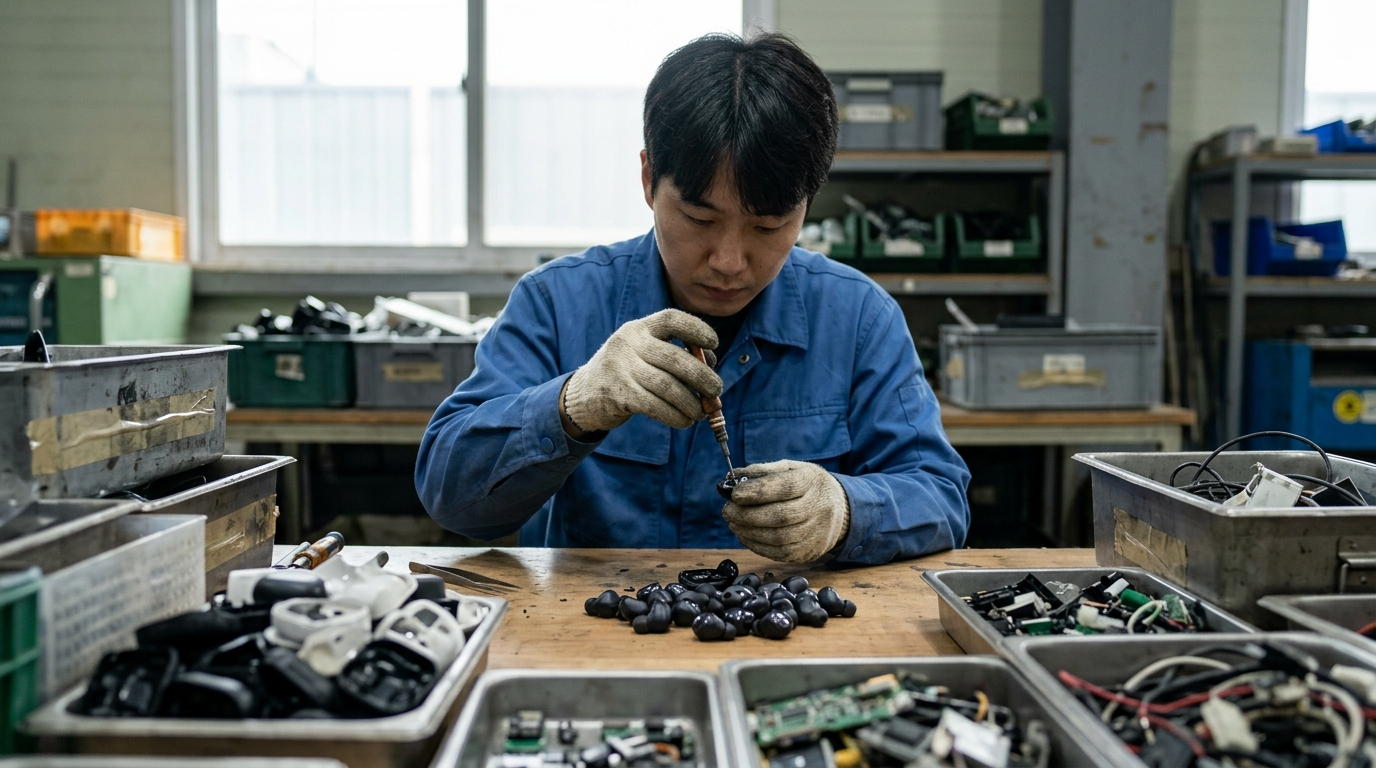
Samsung's Galaxy Buds4 Pro received the EISA In-Ear Headphones Award for 2026-2027, marking a significant milestone in audio technology innovation. This recognition highlights Samsung's ongoing commitment to enhancing user experience through superior sound quality and innovative features. For those involved in electronics recycling or concerned about e-waste. This development highlights the increasing importance of sustainable practices in product design and disposal.
Last reviewed by Samantha Holloway on 03 September 2026
How Does This Affect Electronics Recycling?
This award emphasizes the need for better-designed products that are easier to recycle or repair. The EISA recognition indicates a focus on high-quality components, which often contain valuable materials like gold and silver-elements critical to
urban mining efforts.
The electronics recycling industry benefits from improved product design as it can lead to higher yields of reusable materials during recycling processes. For instance, one million smartphones typically yield around 35 kg of gold and 340 kg of silver. Better-designed products facilitate more efficient recovery of these valuable metals.
What Are the Environmental Impacts of This Technology?
The environmental impact of advanced audio devices like the Galaxy Buds4 Pro is considerable, given their short lifespans and rapid obsolescence rates. The global e-waste generation stands at 62 million tonnes annually, with only about 22.3% being formally recycled.
Manufacturers must consider the lifecycle impacts of their products, including how components can be repurposed or recycled efficiently. For example, lithium-ion batteries in these devices contribute to the growing waste stream; by 2030, the market is expected to reach 2.5 TWh globally.
How Can Consumers Contribute to Responsible E-Waste Management?
Consumers play a important role in reducing e-waste and promoting sustainable practices. By choosing products with longer lifespans or those that are repairable and recyclable, individuals can significantly impact the environmental footprint of technology.
users should dispose of old electronics responsibly through certified recycling centers rather than throwing them away. In Europe, for instance, there's a collection target of 65% for waste electrical and electronic equipment (WEEE) under the
WEEE Directive.
What Should Manufacturers Do to Enhance Sustainability?
Manufacturers need to adopt more sustainable practices in product design and manufacturing processes. Implementing principles from the
circular economy can help reduce waste and improve resource efficiency.
For example, embracing RoHS restrictions on hazardous substances can minimize environmental harm during recycling or disposal phases. Additionally, incorporating
right-to-repair features into devices allows for longer usage periods and reduces the need for frequent replacements.
What Are the Legal Requirements for Electronics Recycling?
Several regulations govern electronics recycling practices globally. The EU's WEEE Directive sets standards for collecting, treating, recovering, and preparing waste electrical and electronic equipment for reuse or recovery.
In addition to WEEE, other international agreements such as the
Basel Convention regulate the handling of hazardous waste materials, ensuring that e-waste is managed safely across borders.
How Can We Encourage More Sustainable Practices in Electronics?
Encouraging more sustainable practices involves raising awareness among consumers about the importance of recycling and proper disposal methods. Educating users on the benefits of urban mining-recovering valuable metals from discarded electronics-can drive demand for recyclable products.
supporting initiatives that promote right-to-repair laws can help individuals to extend product lifespans and reduce e-waste generation.
What Should You Do Now?
To contribute positively towards sustainable practices in electronics recycling:
- Dispose of old devices through certified centers or programs designed for safe disposal.
- Support manufacturers who prioritize sustainability by choosing products with repairable designs and eco-friendly materials.
- Stay informed about local regulations and initiatives related to e-waste management. For more information on these topics, visit our guides on right-to-repair and circular economy.
Sources