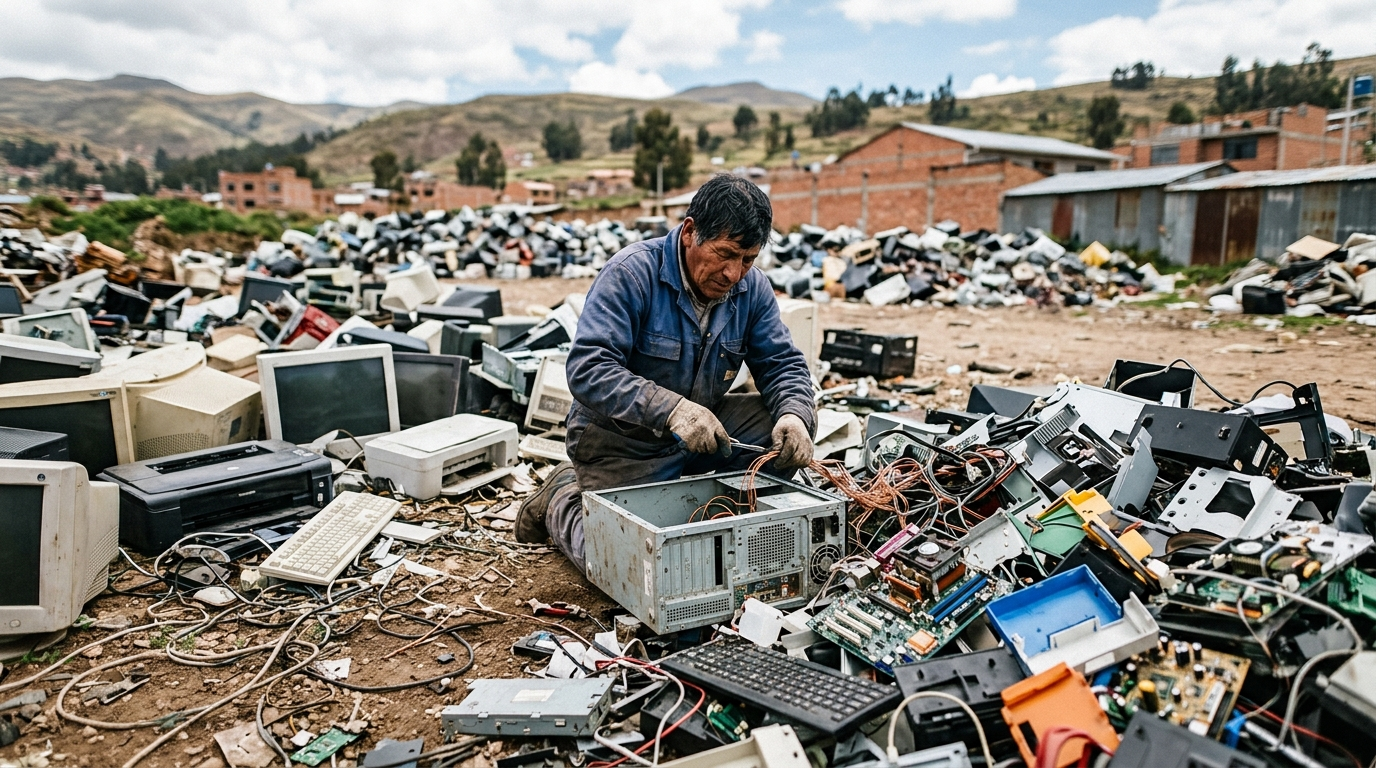
The Rest-of-South-America Electronic Waste Recycling Market grew by 15% in the year leading up to September 2026, according to MarketsandMarkets, highlighting a rising need for tech sustainability initiatives across the continent.
Last reviewed by Samantha Holloway on 07 September 2026
What's Driving This Growth?
Increased awareness and stricter regulations are driving growth. Governments across South America have stepped up efforts to address e-waste management with new laws and incentives. The market is also seeing an uptick in consumer interest as more people understand the environmental impact of improper disposal.
According to the WHO, improper e-waste disposal releases toxic substances including lead, mercury, and cadmium into soil and water.
How Does This Affect Electronics Recycling?
This growth means more opportunities for sustainable practices, like urban mining, where valuable metals are extracted from old electronics. For instance, 1 million phones contain about 35kg of gold and 340kg of silver, highlighting the economic potential in recycling e-waste.
What Are Key Regulations Influencing Growth?
Several regulations have been key. In Brazil, the National Policy on Solid Waste (PNRS) mandates proper disposal of hazardous waste, including electronics. Chile has also introduced new legislation to align with international standards set by the Basel Convention, which regulates the movement and disposal of hazardous waste.
How Can Individuals Contribute?
Individuals can contribute by responsibly disposing of their old gadgets at certified recycling facilities. For example, in Argentina, there are over 200 collection points for e-waste, making it easier to find a place near you.
According to the UN Global E-Waste Monitor 2024, The world generated 62 million tonnes of e-waste in 2022, up 82% from 2010.
Tech sustainability also means supporting brands that take back products or offer repair services. Companies like Apple and Samsung have implemented strong take-back programs.
What Are the Challenges?
One challenge is ensuring that informal recycling doesn't undercut formal processes. Informal recyclers often use unsafe methods, leading to environmental contamination and health risks for workers. Formalizing these operations could help mitigate these issues.
According to the European Parliament, less than 1% of rare earth elements in e-waste are currently recycled.
Another hurdle is increasing consumer education on proper disposal methods. Despite initiatives like Right-to-Repair movements in the EU and US, many consumers remain unaware of best practices or lack access to recycling facilities.
What Can Businesses Do?
Businesses can lead by example through corporate social responsibility (CSR) programs focused on tech sustainability. For instance, Dell's closed-loop manufacturing process uses recycled materials from e-waste to create new products. This not only reduces reliance on virgin resources but also diverts waste from landfills and incinerators.
What Are Future Trends?
The rise of battery-powered devices is another trend shaping the future of electronics recycling. With the lithium-ion battery market expected to reach 2.5 TWh by 2030, developing safe and efficient battery recycling methods will become increasingly important.
advancements in technology could lead to more modular designs that extend product lifespans. For example, modular smartphones are being developed where components can be easily swapped out or upgraded rather than entire devices replaced.
What Should You Do Now?
For individuals: Look up local e-waste collection events or permanent drop-off points near you. Check the e-cycling central page for guidance on proper disposal and recycling options in your area.
For businesses: Consider implementing take-back programs or partnering with certified recyclers like those listed on the [WEEE Directive](/regulations/weee-directive-eu) guidelines. Support the push towards a circular economy by investing in repairable, upgradable, and recyclable products.
By taking these steps now, you contribute to reducing environmental harm while supporting sustainable practices that benefit everyone involved in tech sustainability efforts worldwide.
Sources
- WHO
- UN Global E-Waste Monitor 2024
- European Parliament