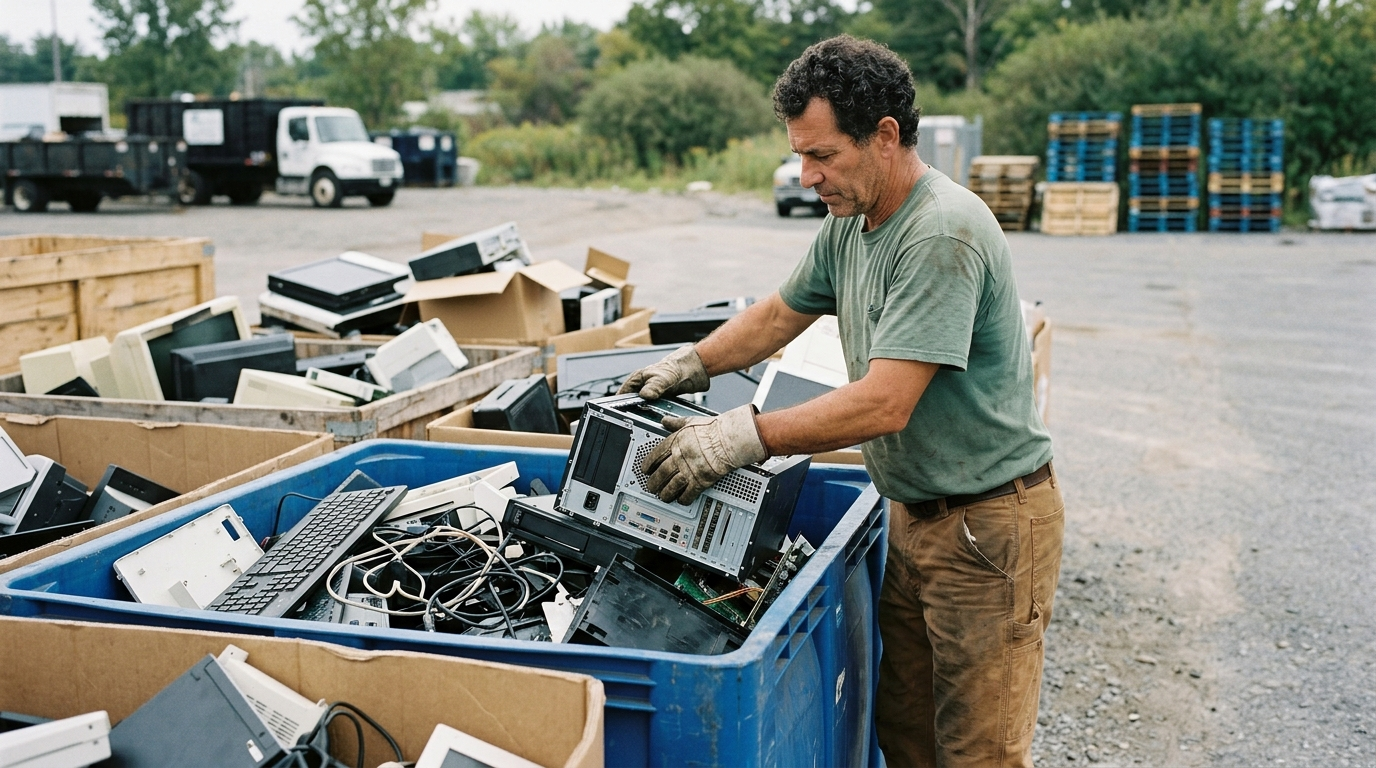
The University of Guadalajara's Rec-olectrón campaign is collecting electronic waste across Mexico, aiming to reduce the environmental impact of discarded devices and recover valuable materials.
Last reviewed by Samantha Holloway on 09 September 2026
As part of their ongoing commitment to tech sustainability, Universidad de Guadalajara launched Rec-olectrón 2026 in September. The initiative encourages individuals and businesses to recycle old electronics responsibly. This campaign is important because only 22.3% of global e-waste is formally recycled each year, according to the UN Global E-Waste Monitor 2024.
How Does This Affect Electronics Recycling?
Rec-olectrón helps increase awareness about responsible disposal and recycling options for electronic devices. The campaign offers drop-off points where people can bring their old gadgets, ensuring that these items aren't sent to landfills but instead undergo proper processing. By doing so, universities like Guadalajara play a vital role in reducing the 62 million tonnes of e-waste generated annually worldwide.
Universidad de Guadalajara's initiative also highlights how valuable metals such as gold and silver can be recovered from discarded electronics. For instance, one million phones contain approximately 35kg of gold and 340kg of silver, highlighting the importance of proper recycling processes to extract these precious resources efficiently.
What Are Key Goals for Tech Sustainability?
One primary goal is to raise awareness about the environmental impact of e-waste while promoting sustainable practices. Universities often serve as educational hubs, making them ideal partners in spreading knowledge about tech sustainability and encouraging communities to participate actively in recycling efforts. This aligns with broader global objectives like the EU's
[WEEE Directive](/regulations/weee-directive-eu) collection target of 65% of electronics placed on the market by 2030.
How Can Individuals Participate?
Individuals can contribute by participating in local campaigns such as Rec-olectrón and taking their old devices to designated drop-off points. It's also important for people to understand the importance of choosing certified recyclers who adhere to environmental standards like those set out in the
Basel Convention. These practices help prevent hazardous waste from entering ecosystems, ensuring that valuable components are recycled responsibly.
What Are Practical Steps for Businesses?
Businesses can support tech sustainability by implementing full recycling programs and educating employees about the benefits of proper disposal methods. Many companies also participate directly in initiatives like Rec-olectrón or similar campaigns run by local authorities. By doing so, businesses not only comply with regulations but also contribute to corporate social responsibility goals.
What Should People Do Now?
People should start by checking their homes and offices for old electronics that need recycling. They can then visit the University of Guadalajara's website or local community boards to find nearby drop-off locations. Additionally, exploring resources like ecyclingcentral.com provides valuable information on proper disposal techniques,
battery recycling methods, and understanding regulations such as RoHS.
By taking these steps, individuals and businesses alike can play a key role in promoting tech sustainability and reducing environmental damage caused by improperly discarded electronics.
According to the BankMyCell 2024, iPhones retain trade-in value better than Android phones, losing ~40% in year 1 vs ~55%.
Sources
- BankMyCell 2024
- Royal Society of Chemistry
- BankMyCell depreciation tracker