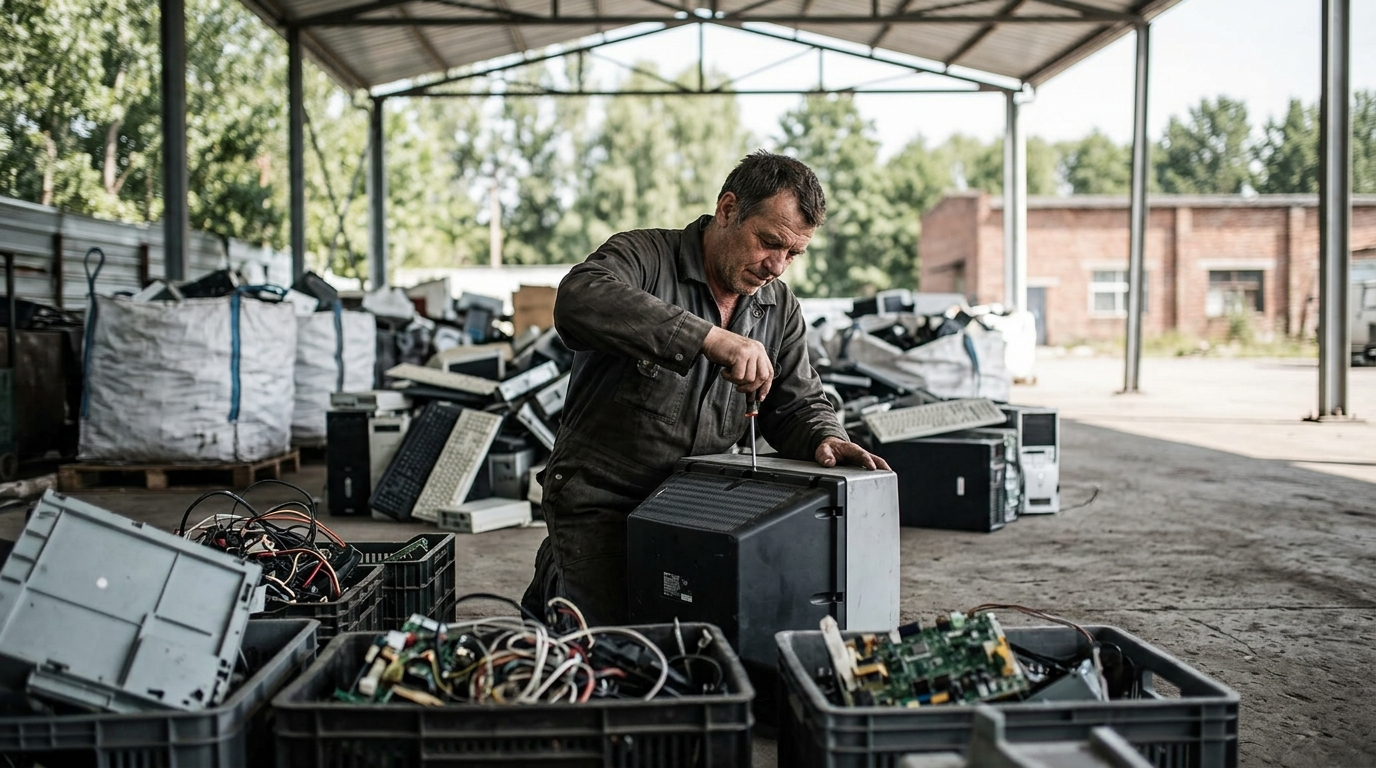
In August 2026, the UK Prime Minister ordered a crackdown on criminal gangs profiting from illegal waste sites, including those dealing in e-waste. This action is important for anyone involved in electronics recycling or concerned about environmental impacts of electronic disposal.
Last reviewed by Samantha Holloway on 20 August 2026
How Does This Affect Electronics Recycling?
This crackdown directly targets illegal dumping and processing of e-waste, which can harm both the environment and public health. The move ensures that more waste goes through regulated channels rather than being handled by rogue operators who cut corners on safety and environmental standards.
The UK government's decision builds upon existing regulations like the
[WEEE Directive](/regulations/weee-directive-eu) and
Basel Convention to enhance enforcement against illegal activities. By doing so, it aims to increase the formal recycling rate of e-waste from its current global low of 22.3%. This move is critical because only about 15% of the world's e-waste was formally collected and recycled in 2024.
What Are the Key Regulations Addressed?
The WEEE Directive sets specific targets for EU member states, aiming to collect 65% of electronics placed on the market. Similarly, the Basel Convention regulates transboundary movements of hazardous waste including electronic equipment.
These regulations provide a framework within which legitimate recycling companies must operate. The crackdown now focuses on closing down operations that violate these rules by engaging in illegal dumping or exporting e-waste without proper documentation.
How Will This Impact Environmental Standards?
By reducing illegal activities, the initiative helps improve environmental standards and public health. Illegal sites often lack proper disposal methods for hazardous materials contained within electronics like lead, mercury, and cadmium.
For instance, improperly recycled lithium-ion batteries from devices can cause fires or release toxic gases if not handled correctly. The global demand for these batteries is expected to reach 2.5 TWh by 2030, highlighting the importance of proper recycling.
What Are the Benefits for Consumers?
Consumers stand to gain significantly as more e-waste is managed responsibly. Properly recycled electronics can recover valuable materials such as gold (1 million phones contain 35kg) and silver (the same amount yields 340kg), reducing reliance on mining.
legal recycling facilities ensure that discarded devices are handled safely, preventing contamination of soil and water sources.
What Can You Do Now?
To contribute positively to this initiative, consider using certified electronics recyclers for your old gadgets. Check if the company complies with both national regulations like the WEEE Directive in Europe or
RoHS standards, and international agreements such as the Basel Convention.
support local community e-waste collection events and promote awareness about the importance of proper disposal practices.
By taking these steps, you help ensure that electronics are recycled responsibly, protecting the environment and supporting ethical business practices.
Sources
- UN Global E-Waste Monitor 2024
- Consumer Technology Association
- Counterpoint Research