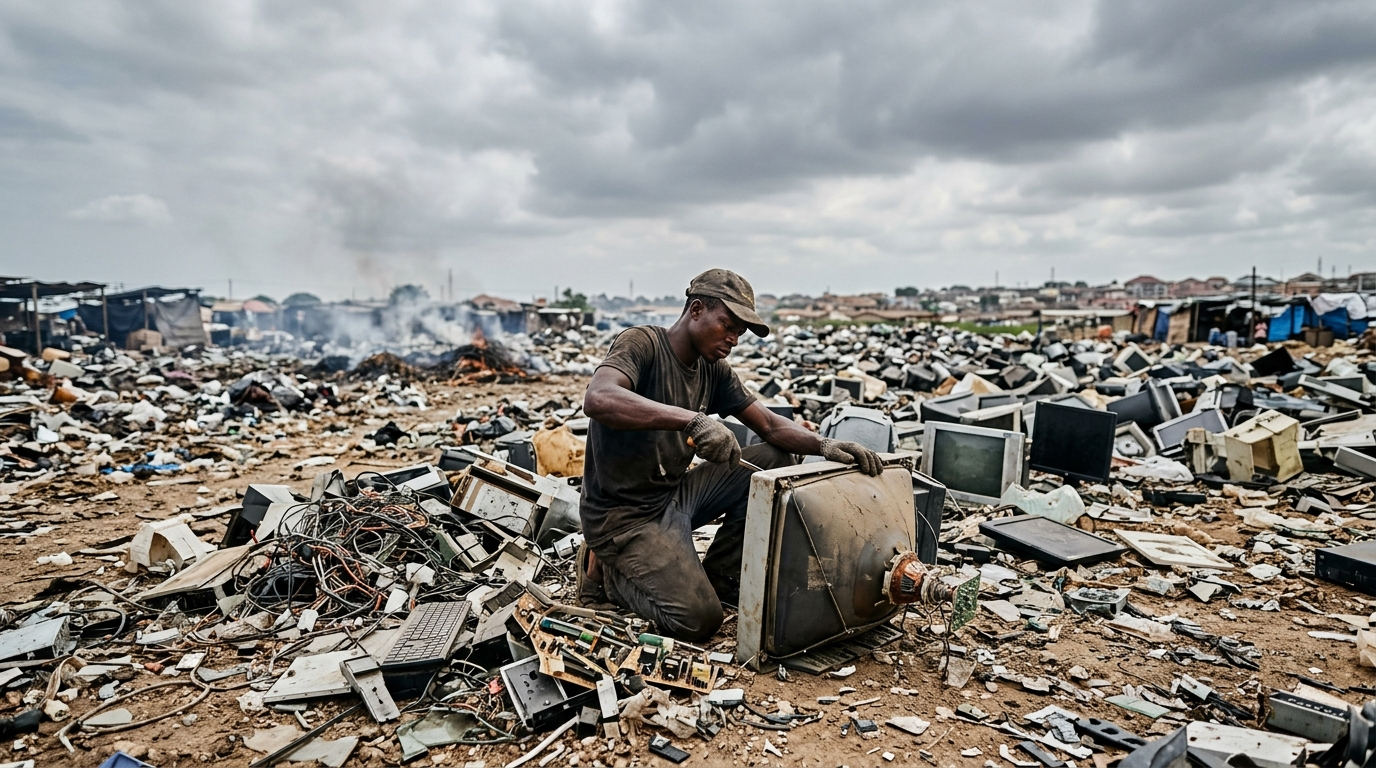
NEW ONLINE TOOL: 2026 'Electronic Waste Graveyard' highlights growing issues of trashed tech products - PIRG has released a new online tool that provides alarming data on the increasing amount of electronic waste being discarded globally, highlighting significant financial and environmental costs. The tool reveals that in 2024 alone, the world generated 62 million tonnes of e-waste, with only about one-quarter of it formally recycled.
Last reviewed by Samantha Holloway on 19 July 2026
What's NEW ONLINE TOOL: 2026 'Electronic Waste Graveyard'?
NEW ONLINE TOOL: 2026 'Electronic Waste Graveyard' highlights growing issues of trashed tech products - PIRG aims to raise awareness about the escalating problem of electronic waste. The tool provides detailed statistics and visualizations on e-waste generation, recycling rates, and environmental impacts across various regions.
How Does This Affect Electronics Recycling?
This affects electronics recycling by highlighting inefficiencies in current practices. For example, only 22.3% of global e-waste is formally recycled, indicating a massive gap between the volume of discarded tech products and the capacity to manage them responsibly. The tool also emphasizes that without significant improvements, this number will drop further as e-waste continues to grow.
What Financial Implications Does E-Waste Have?
The financial implications of e-waste are substantial. It's estimated that 1 million phones contain approximately 35kg of gold and 340kg of silver, valuable resources often left uncollected in discarded electronics. This represents a significant loss for companies and governments who fail to implement effective recycling programs. Additionally, the cost of extracting these materials from virgin sources can be up to ten times higher than recovering them from recycled products.
What Are Some Key Findings?
Key findings include the fact that the US generates 6.92 million tonnes of e-waste per year, making it one of the largest contributors globally. The EU's WEEE collection target aims for at least 65% recovery rates, but many member states struggle to meet these targets due to inadequate infrastructure and consumer compliance.
What Can We Do About E-Waste?
To address e-waste effectively, individuals can take proactive steps like participating in local recycling programs or using services that specialize in tech product disposal. Businesses should consider adopting
circular economy practices, such as designing products for longevity and ease of repair. Governments need to enforce stricter regulations on both the production and disposal of electronic goods.
What About New Regulations?
Regulations like the EU's
WEEE Directive aim to regulate e-waste through mandates that require manufacturers to take back their old devices for recycling. This directive has seen some success but still faces challenges in implementation across all member states due to varying levels of infrastructure and public awareness.
Planned obsolescence, where products are designed to become obsolete after a certain period, significantly contributes to the e-waste problem. According to studies, this practice has led to an increase in discarded electronics by up to 30% over the last decade compared to those without planned obsolescence.
How Can We Promote Recycling?
Promoting recycling can be achieved through education campaigns and incentives for both individuals and businesses. For instance, offering tax breaks or credits for companies that recycle a certain percentage of their products can encourage more widespread adoption of responsible disposal practices.
NEW ONLINE TOOL: 2026 'Electronic Waste Graveyard' highlights growing issues of trashed tech products - PIRG serves as an urgent call to action for everyone involved in the lifecycle of electronic goods-from manufacturers and consumers to policymakers and recyclers. By addressing e-waste now, we can mitigate future environmental damage and economic losses associated with discarded technology.
For more information on how you can participate in or advocate for better recycling practices, visit our guides on [right-to-repair](/guides/right-to-repair-what-it-means), circular economy, and WEEE Directive.
Sources
- BankMyCell depreciation tracker
- UNEP
- WHO