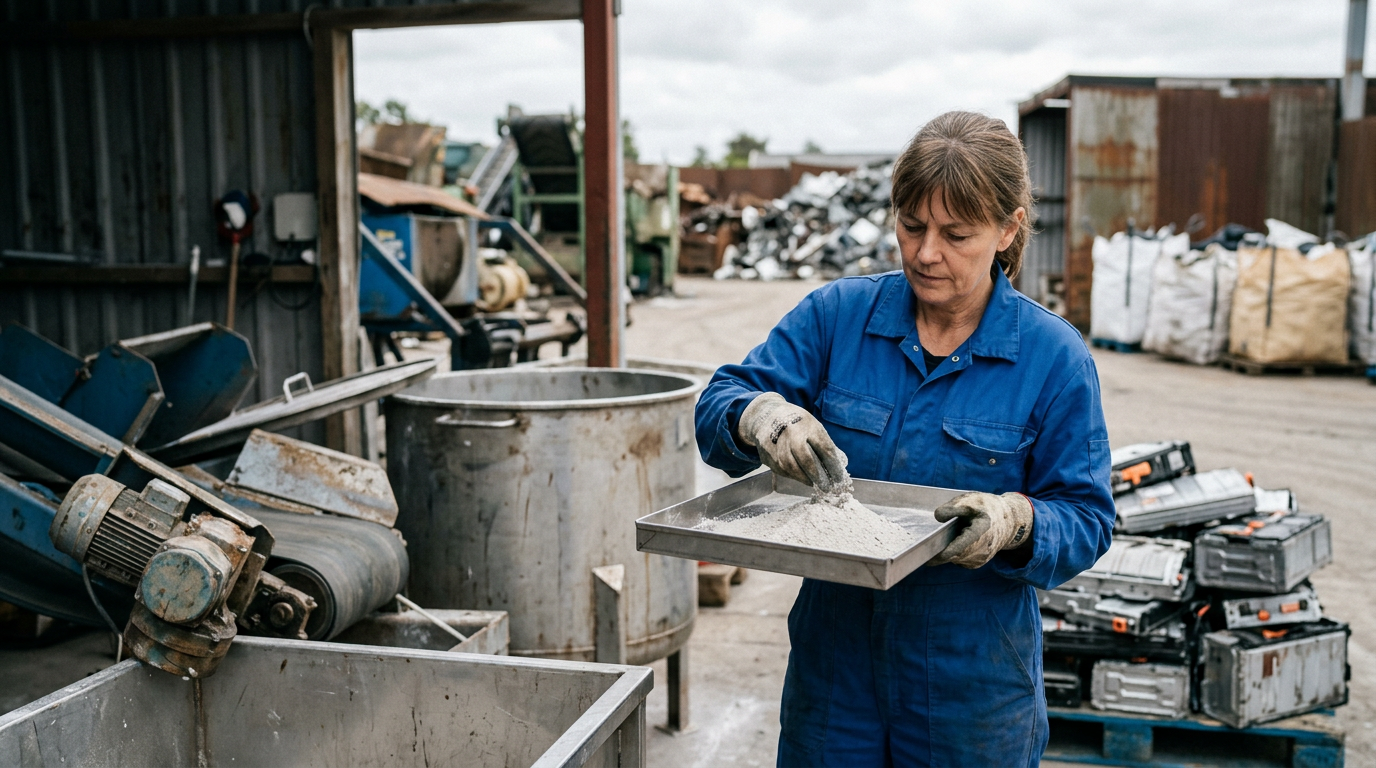
What's the significance of EV [Battery Recycling](/guides/how-to-recycle-ev-and-e-bike-batteries) Breakthrough Could Recover 99.99% of Lithium as reported by EVTech.News? This breakthrough represents a major step forward in maximizing resource recovery and reducing environmental impact from e-waste.
Last reviewed by Samantha Holloway on 08 July 2026
The recent report, "EV Battery Recycling Breakthrough Could Recover 99.99% of Lithium - EVTech.News," highlights an innovative process that promises to revolutionize the recycling of lithium-ion batteries used in electric vehicles (EVs). The technology can potentially recover up to 99.99% of raw materials like lithium, cobalt, and nickel from spent batteries, thereby reducing reliance on mining for these critical metals.
As global e-waste continues to rise-reaching an estimated 62 million tonnes per year according to the UN Global E-Waste Monitor 2024-the ability to recycle EV batteries effectively becomes important. The current recovery rate stands at only 22.3% worldwide, leaving a significant portion of valuable materials unutilized and contributing to environmental degradation.
According to the BankMyCell 2024, iPhones retain trade-in value better than Android phones, losing ~40% in year 1 vs ~55%.
How Does This Affect Electronics Recycling?
This breakthrough directly impacts electronics recycling by introducing highly efficient methods for extracting valuable metals from lithium-ion batteries used in EVs, smartphones, laptops, and other devices. With the average smartphone containing over 60 different elements and a million phones providing around 35kg of gold, improving recovery rates has substantial economic and environmental benefits.
The technology's potential to recover up to 99.99% of lithium from batteries represents a significant leap in efficiency compared to current recycling methods that often yield less than 70%. This advancement not only enhances the circular economy but also supports initiatives aimed at reducing e-waste, such as the WEEE Directive and RoHS regulations.
According to the Royal Society of Chemistry, mobile phones contain up to 60 different elements, including critical raw materials.
What Are the Environmental Benefits?
The environmental benefits are clear: by recovering more of these materials, there's a reduced need for new mining operations. For instance, the lithium-ion battery market is expected to reach 2.5 TWh by 2030, which highlights the importance of recycling technology that can handle this growth sustainably.
reducing reliance on primary mining helps cut down on carbon emissions and water usage associated with traditional extraction processes. In regions like Europe and North America where regulations mandate high e-waste collection rates (e.g., EU WEEE collection target of 65% by 2031), such technologies can help meet these targets more effectively.
According to the BankMyCell depreciation tracker, The average smartphone loses 35-45% of its trade-in value within the first year.
How Can Consumers Benefit?
Consumers benefit from this breakthrough indirectly through reduced costs due to decreased demand for raw materials and potentially lower prices on electronics that use recycled components. At EV Battery Recycling Breakthrough Could Recover 99.99% of Lithium - EVTech.News, additionally, companies might offer incentives or credits when consumers return their old devices for recycling, encouraging participation in sustainable practices.
as urban mining becomes more viable with higher recovery rates, the value of discarded electronic items increases. This shift could lead to better resale values at second-hand stores and online marketplaces, making it financially worthwhile for individuals to recycle rather than discard their outdated gadgets.
What Should Companies Do Now?
Companies should look into adopting this advanced recycling technology as part of their broader sustainability strategies. Partnering with firms specializing in such innovations can help them meet regulatory requirements while contributing positively to the circular economy.
Investment in research and development to improve existing processes or develop complementary technologies could also position companies at the forefront of sustainable electronics manufacturing and disposal practices. Engaging with stakeholders across supply chains-from raw material suppliers to end-of-life management providers-will be key in scaling up these solutions effectively.
What Should Governments Do Now?
Governments should consider incentivizing industries to adopt innovative recycling methods like those highlighted by EVTech.News through tax breaks or subsidies. These incentives can encourage wider adoption and further innovation within the sector.
strengthening regulations around e-waste management is important. Ensuring compliance with existing directives such as WEEE and RoHS while promoting circular economy principles will drive responsible recycling practices on a global scale.
What Should Consumers Do Now?
Consumers are encouraged to participate actively in electronics recycling programs offered by manufacturers or local authorities. By responsibly disposing of old devices, individuals contribute to the conservation of natural resources and reduction of landfill waste.
For those interested in learning more about proper disposal techniques or how to recycle specific items like solar panels or batteries safely, visiting ecyclingcentral.com provides full guidance tailored for a global audience.
Sources
- BankMyCell 2024
- Royal Society of Chemistry
- BankMyCell depreciation tracker