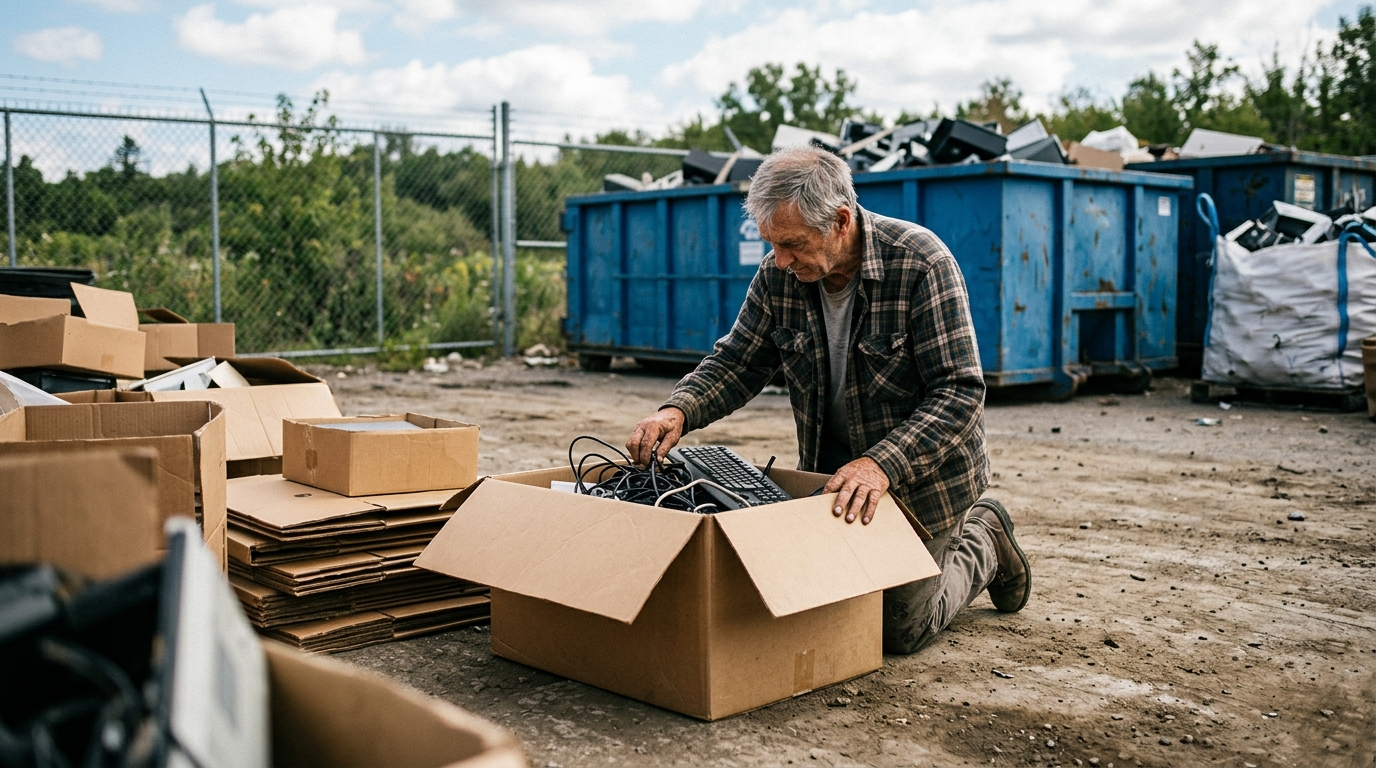
The UK Department for Environment, Food and Rural Affairs (DEFRA) recently updated guidance on Extended Producer Responsibility (EPR) for packaging, affecting both suppliers and importers of packaged goods. This update is important for anyone involved in electronics recycling or concerned about the environmental impact of e-waste.
Last reviewed by Samantha Holloway on 19 August 2026
What Is EPR For Packaging?
Extended Producer Responsibility (EPR) mandates that producers take full responsibility for their products at end-of-life, including collection, treatment, and disposal costs. In August 2026, DEFRA clarified these obligations to ensure compliance across all sectors, particularly electronics recycling.
This update aligns with the broader push towards a
circular economy in Europe, aiming to reduce waste and promote sustainable practices. For electronics recycling, EPR for packaging means manufacturers must now consider end-of-life implications when designing products.
How Does This Affect Electronics Recycling?
EPR for packaging directly affects electronics recycling by increasing accountability on producers to manage e-waste responsibly. Manufacturers must now implement strategies to recover and recycle materials from discarded devices.
For example, under the
WEEE Directive in Europe, manufacturers are required to meet specific collection targets. In 2024, EU countries aimed for a 65% recovery rate of electronics placed on the market. This directive complements EPR by ensuring that companies contribute financially towards recycling efforts.
What Are The Key Changes To Compliance?
The key changes include updated guidelines and financial contributions required from producers to cover waste management costs. These changes impact how businesses handle packaging materials throughout their supply chain.
Manufacturers must now track packaging used for electronic goods, report annually on compliance, and pay fees based on the amount of packaging placed on the market. This shift encourages more sustainable product design practices.
How Can Individuals And Businesses Prepare?
Individuals and businesses can prepare by reviewing updated guidelines from DEFRA and consulting with recycling experts to ensure compliance. It's important to understand new reporting requirements and financial contributions needed for managing e-waste.
Businesses should also explore partnerships with electronics recyclers certified under standards like the
Basel Convention or RoHS, ensuring proper disposal of hazardous materials.
What Should You Do Now?
To stay compliant with EPR regulations, start by reviewing your current packaging practices. Identify areas where you can reduce material use and improve recycling rates. Engage with industry experts to develop strategies that align with circular economy principles.
familiarize yourself with the WEEE Directive targets for 2026-2030 in the EU and similar regulations in other regions like Australia or the United States. Understanding these will help you deal with evolving requirements effectively.
By taking proactive steps now, businesses can't only comply with new regulations but also contribute to a more sustainable future for electronics recycling. For more information on specific compliance details or to find certified recyclers, visit eCycling Central.
For further guidance on right-to-repair initiatives and circular economy practices, check out our detailed guides on the [right to repair](/guides/right-to-repair-what-it-means) and circular economy.
Sources
- Consumer Technology Association
- Counterpoint Research
- UN Global E-Waste Monitor 2024