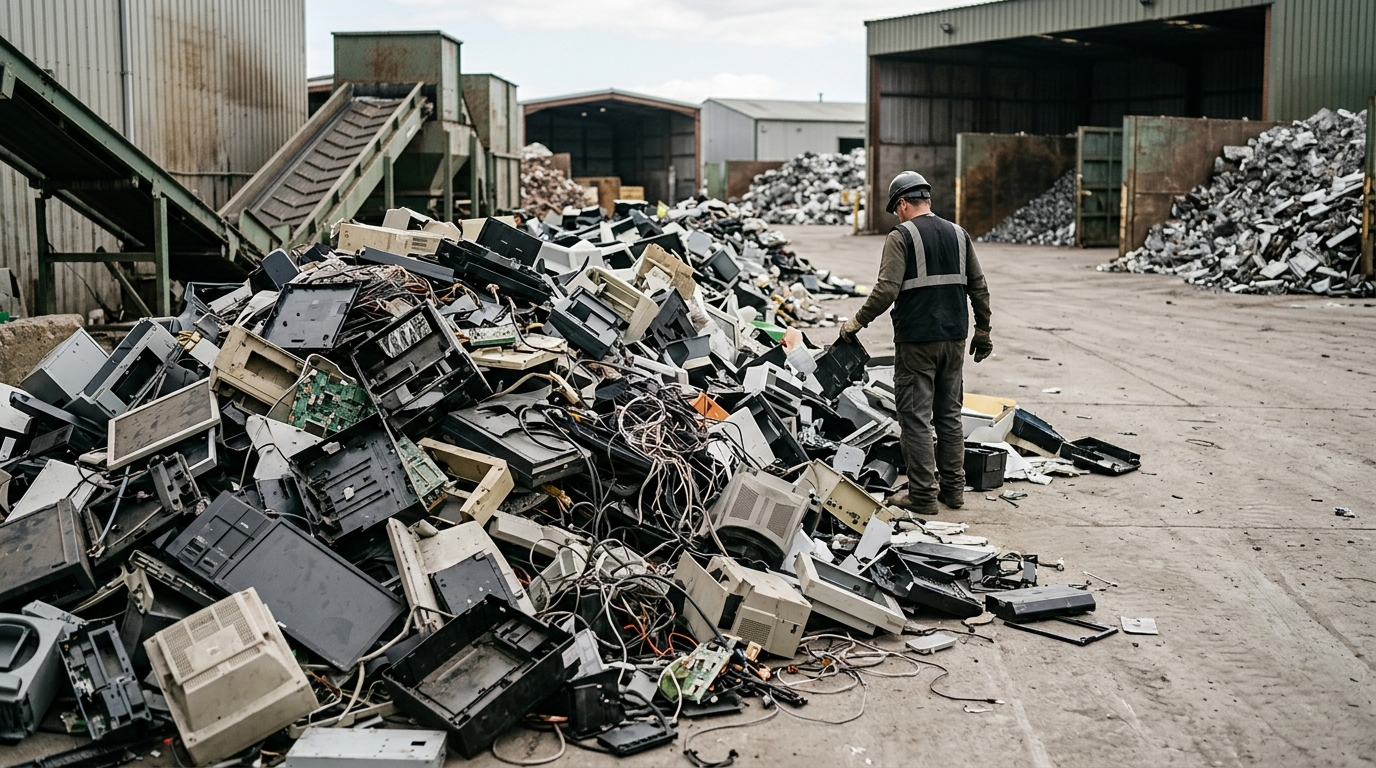
The electronics recycling industry faces a growing challenge with plastic waste, as highlighted in an article by Resource Recycling. The electronics recycling industry has a plastics problem - Resource Recycling This problem highlights the need for better solutions in managing e-waste plastics sustainably and responsibly.
Last reviewed by Samantha Holloway on 26 May 2026
What Happens to E-Waste Plastics?
Electronics contain various types of plastics that are challenging to recycle due to their composition and contamination levels. According to a report from Resource Recycling, only 10% of plastic waste generated by electronics is recycled globally each year. This statistic highlights the urgent need for improved recycling methods.
According to the UNEP, A single tonne of circuit boards contains 40-800 times more gold than a tonne of ore.
Plastic components in electronics often mix with metals and other materials, complicating sorting processes at recycling facilities. For instance, the average smartphone contains over 60 different elements, many embedded within complex plastic casings that are difficult to dismantle without damaging valuable resources like gold or silver.
How Does This Affect Electronics Recycling?
The plastics problem affects electronics recyclers by increasing operational costs and decreasing efficiency in material recovery. Recyclers must invest more in technology and labor to separate plastics from other materials. Reducing the overall profitability of recycling operations. Additionally, the lack of viable markets for recycled e-waste plastic exacerbates these challenges.
According to the WHO, improper e-waste disposal releases toxic substances including lead, mercury, and cadmium into soil and water.
For example, a study found that 90% of recovered plastic from electronics ends up in landfills due to low demand and high processing costs. This situation not only wastes valuable resources but also contributes to environmental pollution.
What Are the Environmental Impacts?
The improper disposal or poor recycling of e-waste plastics leads to significant environmental harm, including soil and water contamination. When plastics are burned instead of recycled, they release toxic chemicals into the atmosphere. These pollutants can cause respiratory issues for people living near disposal sites.
According to the UN Global E-Waste Monitor 2024, The world generated 62 million tonnes of e-waste in 2022, up 82% from 2010.
the global generation of e-waste is expected to reach 74 million metric tonnes by 2030, according to estimates from the Global E-Waste Monitor. As this figure grows, so does the pressure on recycling infrastructures and environmental health.
What Are Possible Solutions?
To address these challenges, stakeholders in the electronics industry must collaborate to develop more efficient plastic recycling technologies and create viable markets for recycled plastics. At The electronics recycling industry has a plastics problem - Resource Recycling, innovations such as chemical recycling processes could offer a solution by breaking down complex plastic structures into reusable components without damaging other valuable materials.
regulatory bodies like the [WEEE Directive](/regulations/weee-directive-eu) in Europe are pushing for higher collection targets-currently set at 65% of electronics placed on the market-which can drive demand and investment in better recycling practices. By improving e-waste management standards, we can reduce environmental impacts and recover more resources from discarded devices.
What Should Consumers Do Now?
Consumers play a important role by supporting brands that prioritize sustainable practices and adopting products designed for longevity and recyclability. Learning about the right-to-repair movement and advocating for legislation like California's SB 508 can also help individuals to make more informed choices regarding their electronics consumption and disposal.
For practical steps, consumers should visit guides on right-to-repair and explore options for [urban mining](/glossary/urban-mining). By engaging with local recycling programs and ensuring proper disposal of e-waste, individuals can contribute to a more circular economy and reduce their environmental footprint.
By taking these actions, both industry players and consumers can work towards mitigating the plastics problem in electronics recycling and promoting sustainable practices worldwide.
Sources
- UNEP
- WHO
- UN Global E-Waste Monitor 2024