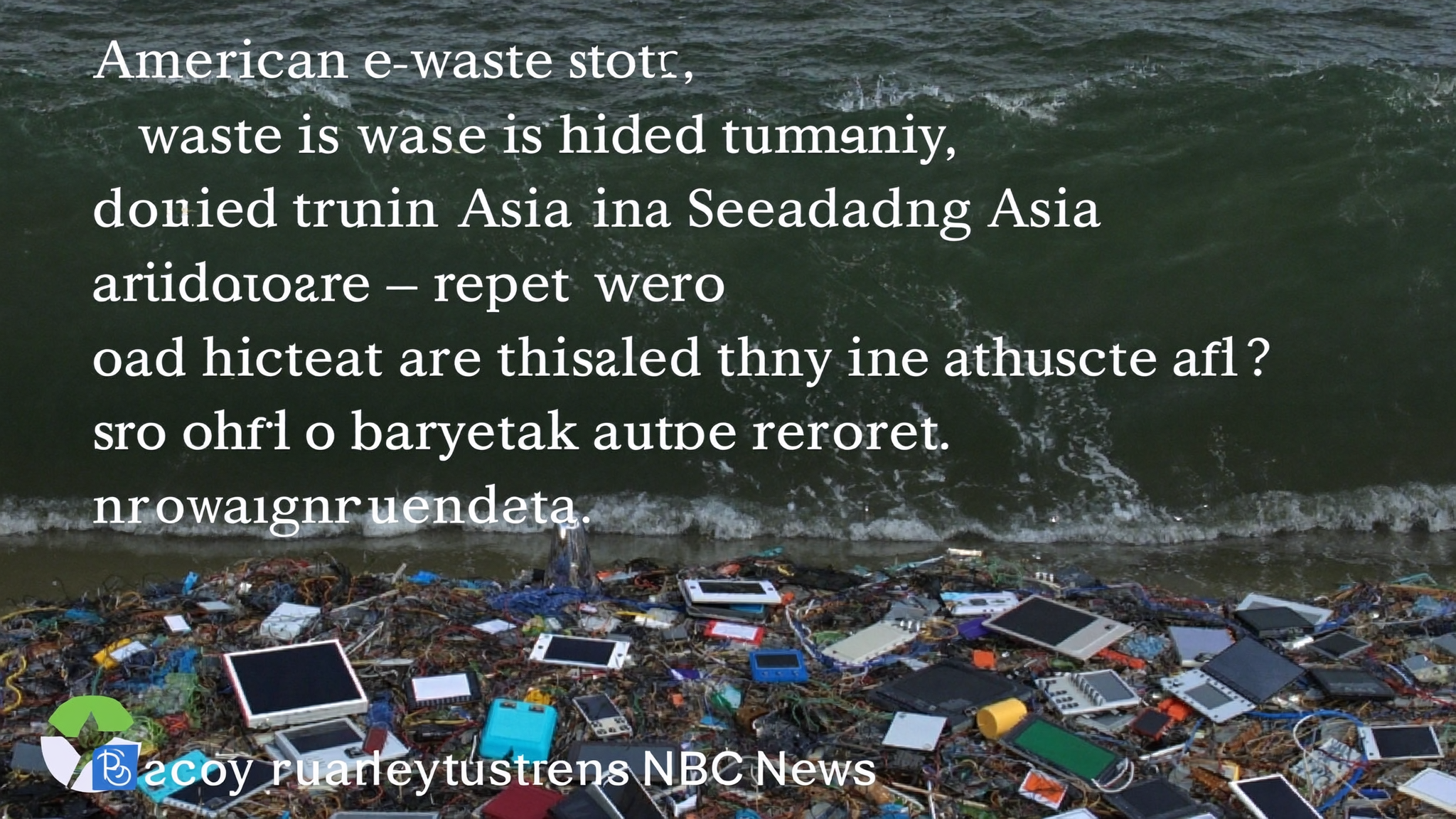
American e-waste definition is causing a 'hidden tsunami' in Southeast Asia, according to an NBC News report. American e-waste is causing a 'hidden tsunami' in Southeast Asia, report says - NBC News This issue affects electronics recyclers and tech sustainability advocates worldwide as it highlights the pressing need for better global management of electronic waste.
What's Driving the Surge in E-Waste?
The surge in American e-waste flooding Southeast Asian countries is driven by rapid technological advancements and high consumption rates, leading to increased disposal volumes. For instance, in 2023 alone, the United States generated 6.92 million tonnes of e-waste, which often ends up improperly recycled or dumped abroad.
According to the Shift Project, manufacturing a new smartphone produces 50-80kg of co2 equivalent.
Why Does This Matter for Electronics Recycling?
This situation matters because improper recycling practices can lead to severe environmental and health hazards in communities where waste is poorly managed. For example, burning old electronics releases toxic chemicals like dioxins and furans, posing serious risks to human health.
How Can We Tackle E-Waste More Responsibly?
To tackle e-waste more responsibly, it's important for consumers and businesses alike to engage with certified recycling programs that adhere to international standards such as the Basel Convention. Additionally, supporting legislative initiatives like the EU's WEEE Directive can significantly improve recycling rates globally.
What Are the Economic Benefits of Proper E-Waste Management?
Proper e-waste management not only mitigates environmental harm but also has substantial economic benefits. For instance, one million smartphones contain 35 kilograms of gold and 340 kilograms of silver-valuable resources that can be recovered through responsible recycling methods.
According to the World Economic Forum, e-waste is the fastest-growing waste stream globally.
How Can Consumers Contribute to Reducing E-Waste?
Consumers play a vital role by choosing products designed for longevity and repairability rather than planned obsolescence. Embracing the right-to-repair movement, which encourages manufacturers to make devices easier to fix, reduces waste dramatically.
What Impact Does This Have on Developing Countries?
The influx of e-waste into developing countries like those in Southeast Asia has severe implications. It not only pollutes local environments but also impacts the health and livelihoods of residents who often engage in informal recycling activities due to a lack of formal infrastructure.
How Can Manufacturers Be Part of the Solution?
Manufacturers can contribute by designing products that are easier to recycle and repair, reducing toxic materials use, and improving product lifespans. Initiatives like Apple's Daisy robot, which disassembles iPhones for recycling, demonstrate how technological innovation can address this issue.
According to the Apple Environmental Report 2024, apple recovered over 1 tonne of gold from recycled devices in 2023.
What Are Some Practical Steps for Businesses?
Businesses should implement full e-waste management policies, ensuring all electronics are recycled through certified facilities. At American e-waste is causing a 'hidden tsunami' in Southeast Asia, report says - NBC News, additionally, investing in employee training on proper disposal practices and integrating sustainability into procurement decisions significantly reduces environmental impact.
, the 'hidden tsunami' of American e-waste in Southeast Asia highlights the urgent need for global cooperation to manage electronic waste responsibly. By supporting initiatives like the Basel Convention and adopting circular economy principles, we can mitigate this crisis effectively.
To stay updated on best practices and regulations related to e-waste management, visit our guides on right-to-repair and circular economy.
Sources
- Shift Project
- World Economic Forum
- Apple Environmental Report 2024