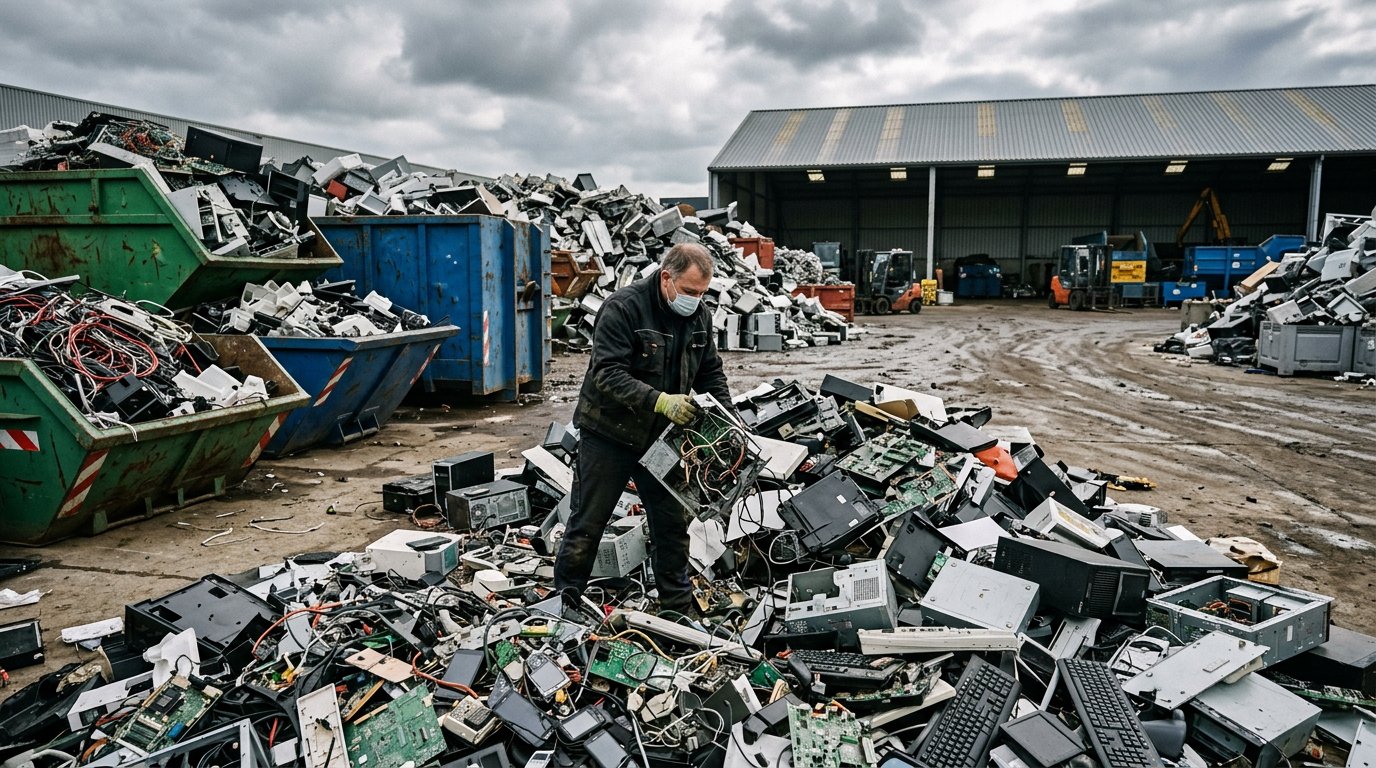
According to a recent report by the European Environmental Bureau, Europe generated nearly 16 million tonnes of electronic waste) in 2023, marking a significant increase from previous years and highlighting an urgent need for improved recycling initiatives.
How Does This Affect Electronics Recycling?
This report highlights that only 48% of e-waste was formally recycled across the EU in 2023. New data reveal the extent of Europe’s e-waste crisis, NGOs call for urgent action - European Environmental Bureau The remaining waste often ends up in landfills or is exported illegally, posing severe environmental risks and health hazards. The European Environmental Bureau's findings are alarming because they show a stark rise from the reported 15 million tonnes generated in 2022. This increase highlights the pressing need for better regulation and consumer awareness regarding responsible disposal of electronics.
What Are the Key Statistics?
In 2023, Europe saw an estimated 16 million tonnes of e-waste produced, up from 15 million tonnes in 2022. Of this, only around 48% was formally recycled through certified facilities-a figure that falls short of the EU's ambitious target to recycle at least 65% by 2030.
These statistics are critical as they indicate a growing gap between e-waste generation and recycling capacity in Europe. The
WEEE Directive aims to address this issue, but current practices fall far behind these goals.
What Are the Environmental Risks?
Improper disposal of electronic waste leads to severe environmental pollution. Toxic chemicals like lead, mercury, and cadmium from discarded devices can leach into soil and water systems, harming ecosystems and human health.
For example, one million smartphones contain 35kg of gold and 340kg of silver, valuable resources that should be recovered through proper recycling methods rather than wasted in landfills.
What Are the Legal Requirements?
The WEEE Directive sets legally binding targets for EU member states to collect and recycle electrical waste. As of now, only a fraction of the generated e-waste is being recycled correctly, falling short of the 65% target set for 2030.
To meet these targets, countries need to enhance collection systems and ensure that recycling facilities adhere strictly to environmental standards.
What Are Consumers Doing Wrong?
Many consumers are unaware of proper disposal methods or lack convenient options. In a survey conducted by the European Environmental Bureau in May 2026, over 40% of respondents admitted to throwing away old gadgets rather than taking them for recycling.
Educating the public on local recycling centers and encouraging manufacturers to take back their products can significantly improve this situation.
What Are Manufacturers Doing?
Some companies are implementing extended producer responsibility (EPR) schemes where they fund collection and recycling programs. However, these efforts vary widely across different regions and industries.
Major tech firms like Apple have started offering trade-in incentives for old devices but need to do more to reduce the environmental impact of their products.
What Can Be Done Now?
Consumers can start by checking local e-waste drop-off points or participating in manufacturer take-back programs. For instance, initiatives like
[Right-to-Repair](/guides/right-to-repair-what-it-means) encourage manufacturers to produce repairable devices and provide parts for reuse.
governments should enforce stricter penalties for illegal exports of electronic waste while promoting
urban mining (referenced by the European Environmental Bureau as a sustainable solution) to recover valuable materials from discarded electronics.
By taking these steps now, we can work towards reducing e-waste and mitigating its environmental impact. For more information on how you can contribute, visit our eCycling Central resources for guides on recycling batteries safely ([battery recycling](/guides/how-to-recycle-batteries-safely)), understanding the circular economy (circular economy), and staying informed about relevant regulations like the WEEE Directive (WEEE Directive).
According to the WHO, e-waste contains over 1,000 different substances, many of them toxic.
Sources
- WHO
- US EPA
- UN Global E-Waste Monitor 2024