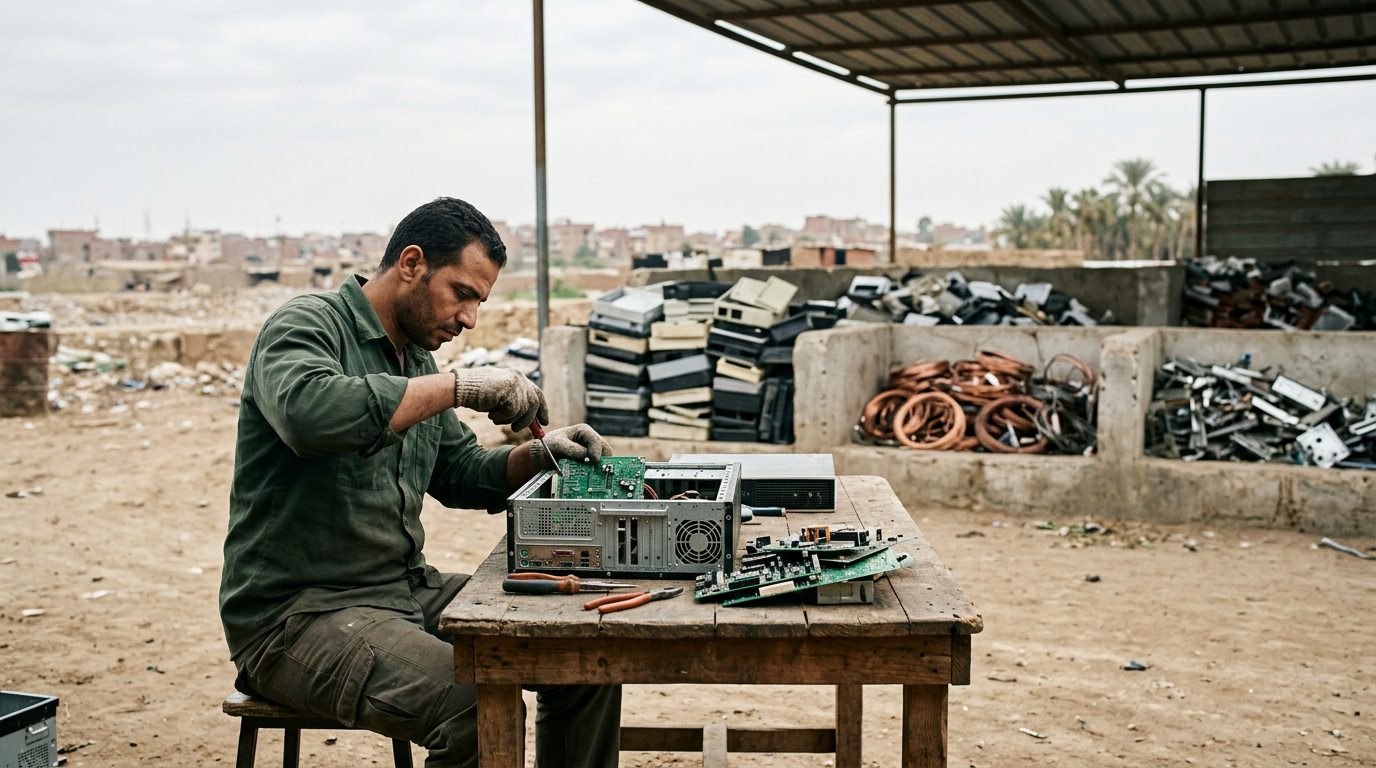
According to Egypt Today's et guide: How Egypt turns waste into money thanks to smart apps, innovative technology is being used in Egypt to convert electronic waste (e-waste) into financial gain and environmental benefits. et guide: How Egypt turns waste into money thanks to smart apps - Egypt Today This development highlights a practical approach for countries grappling with the growing mountain of e-waste.
Last reviewed by Samantha Holloway on 31 May 2026
What Is the Et Guide About?
The et guide discusses how Egypt's new smart app initiatives are turning waste management into profitable ventures by incentivizing recycling through mobile applications. By connecting consumers directly to local recycling centers, these apps streamline the process and encourage more people to recycle their unwanted electronics responsibly.
In May 2026, Egypt Today published an article emphasizing the potential for digital solutions to tackle e-waste challenges globally. According to the UN Global E-Waste Monitor 2024, the world produced approximately 62 million tonnes of e-waste in 2023, with only 22.3% being formally recycled. This highlights the urgency and scale of the problem that Egypt's initiative aims to address.
According to the World Economic Forum, e-waste is the fastest-growing waste stream globally.
How Does This Affect Electronics Recycling?
The introduction of these smart apps impacts electronics recycling by making it easier for individuals to participate actively in reducing e-waste. By providing a platform where users can locate nearby collection points, schedule pick-ups, and earn rewards or credits for their recycled devices, the apps build greater community engagement in sustainable practices.
For instance, one such app might allow users to input details of their unwanted electronics, receive an estimated value based on market trends, and arrange drop-off locations. This convenience factor significantly increases participation rates among consumers who may previously have been deterred by logistical challenges or lack of awareness.
What Are the Environmental Benefits?
The environmental benefits are substantial. E-waste often contains hazardous materials like lead, mercury, and cadmium which can pollute soil and water if not managed properly. By promoting higher recycling rates through these apps, Egypt aims to divert more e-waste from landfills and into sustainable processing channels.
Recycling electronics also recovers valuable resources. For example, one million smartphones contain an estimated 35kg of gold, 340kg of silver, and 15kg of palladium-precious metals that can be reused in manufacturing new devices. This not only reduces the need for virgin materials but also cuts down on the energy-intensive processes required to extract them from the earth.
How Does It Compare with Other Global Efforts?
While Egypt's use of smart apps is innovative, other regions are implementing different strategies to tackle e-waste. In Europe, the
[WEEE Directive](/regulations/weee-directive-eu) sets targets for member states to collect and recycle a minimum of 65% of all electrical goods placed on their markets. The United States generates around 6.92 million tonnes of e-waste annually, yet lacks federal regulations comparable to EU standards.
Comparing these approaches highlights the diverse methods countries adopt based on local infrastructure, cultural habits, and regulatory frameworks. While Egypt uses technology to engage citizens directly, other regions might focus more heavily on legislative mandates or public-private partnerships.
According to the Apple Environmental Report 2024, apple recovered over 1 tonne of gold from recycled devices in 2023.
What Should Consumers Do Now?
Consumers should take advantage of these new tools by downloading relevant apps and participating in recycling programs offered locally. Engaging with such initiatives not only helps mitigate environmental damage but also contributes positively to the
circular economy by ensuring valuable materials are reused rather than discarded.
For those outside Egypt, similar efforts might be available through local government schemes or non-profit organizations focused on reducing e-waste. Resources like eCycling Central's glossary and guides on topics such as [right-to-repair](/guides/right-to-repair-what-it-means) can provide further insights into responsible recycling practices.
By adopting these strategies, individuals play a important role in addressing one of the most pressing environmental issues of our time.
According to the BankMyCell 2024, iPhones retain trade-in value better than Android phones, losing ~40% in year 1 vs ~55%.
Sources
- World Economic Forum
- Apple Environmental Report 2024
- BankMyCell 2024