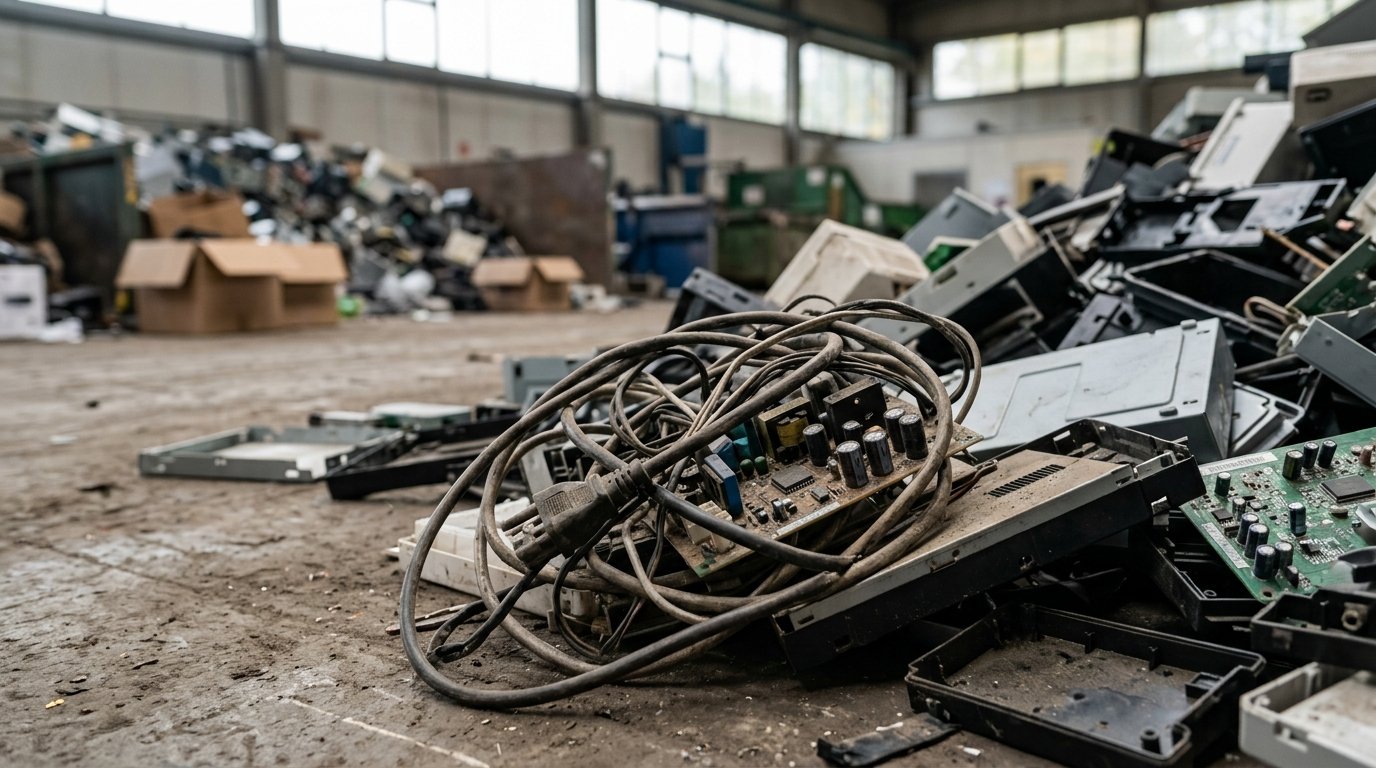
WEEE regulations extended to cover online marketplaces as of May 2026, according to letsrecycle.com. WEEE regulations extended to cover online marketplaces - letsrecycle.com This move aims to streamline the recycling process and ensure that all electronics sold through online platforms are subject to proper disposal rules.
What Are WEEE Regulations?
WEEE regulations stand for Waste Electrical and Electronic Equipment Directive. Established in 2014 by the European Union, these laws mandate manufacturers and retailers to take responsibility for the collection, treatment, recovery, and environmentally sound disposal of their products once they become waste. As of May 2026, WEEE regulations now cover online marketplaces where electronics are sold, ensuring that all digital transactions comply with established recycling standards.
According to the Counterpoint Research, The global refurbished smartphone market was worth $49.3 billion in 2023.
How Does This Affect Electronics Recycling?
This regulation impacts electronics recycling by holding online sellers accountable for the proper disposal and recycling of their products. Previously, many small or unregulated online vendors could bypass local collection systems, leading to increased e-waste in landfills and improper handling of hazardous materials. Now, with WEEE regulations extended to cover online sales, all retailers must adhere to strict guidelines regardless of whether they operate a brick-and-mortar store or an internet-based business.
Who Enforces the New Regulations?
The enforcement falls on national authorities within each EU member state, along with compliance organizations appointed by those governments. These entities monitor adherence and penalize non-compliance through fines and other legal measures. For instance, in the UK, the Environment Agency oversees WEEE regulations and ensures that all businesses comply.
What Are the Financial Implications?
Financial implications are significant for both manufacturers and retailers who sell electronics online. Compliance costs can be substantial, including registration fees, annual plans, and waste management expenses. According to a report by letsrecycle.com, small businesses could see their operational budgets increase by up to 20% to meet these new requirements.
According to the UN Global E-Waste Monitor 2024, The value of raw materials in global e-waste was estimated at $91 billion in 2022.
How Much E-Waste Is Generated Annually?
Globally, e-waste production reached an estimated 62 million tonnes in 2024. This staggering amount includes everything from smartphones and laptops to large household appliances. Only about one-fifth of this waste is formally recycled, highlighting the urgency for stricter regulations like WEEE.
What Can Individuals Do?
Individuals can play a important role by supporting businesses that adhere to these new guidelines and opting to buy products from reputable sellers who recycle responsibly. At WEEE regulations extended to cover online marketplaces - letsrecycle.com, by using platforms that comply with WEEE regulations, consumers help ensure their electronics are disposed of safely when no longer needed.
For more information on e-waste and recycling practices, visit our guides on [right-to-repair](/guides/right-to-repair-what-it-means), [circular economy](/guides/circular-economy-and-electronics), and [urban mining](/glossary/urban-mining).
What Should Businesses Do Now?
Businesses should review their current operations to ensure compliance with WEEE regulations. This involves setting up proper recycling channels, registering with the appropriate authorities, and possibly adjusting supply chains or product design to facilitate easier recycling down the line. By doing so, companies not only avoid potential fines but also contribute positively to environmental sustainability.
To learn more about how businesses can implement these changes effectively, check out our guide on [WEEE Directive](/regulations/weee-directive-eu).
Sources
- Counterpoint Research
- UN Global E-Waste Monitor 2024
- Shift Project