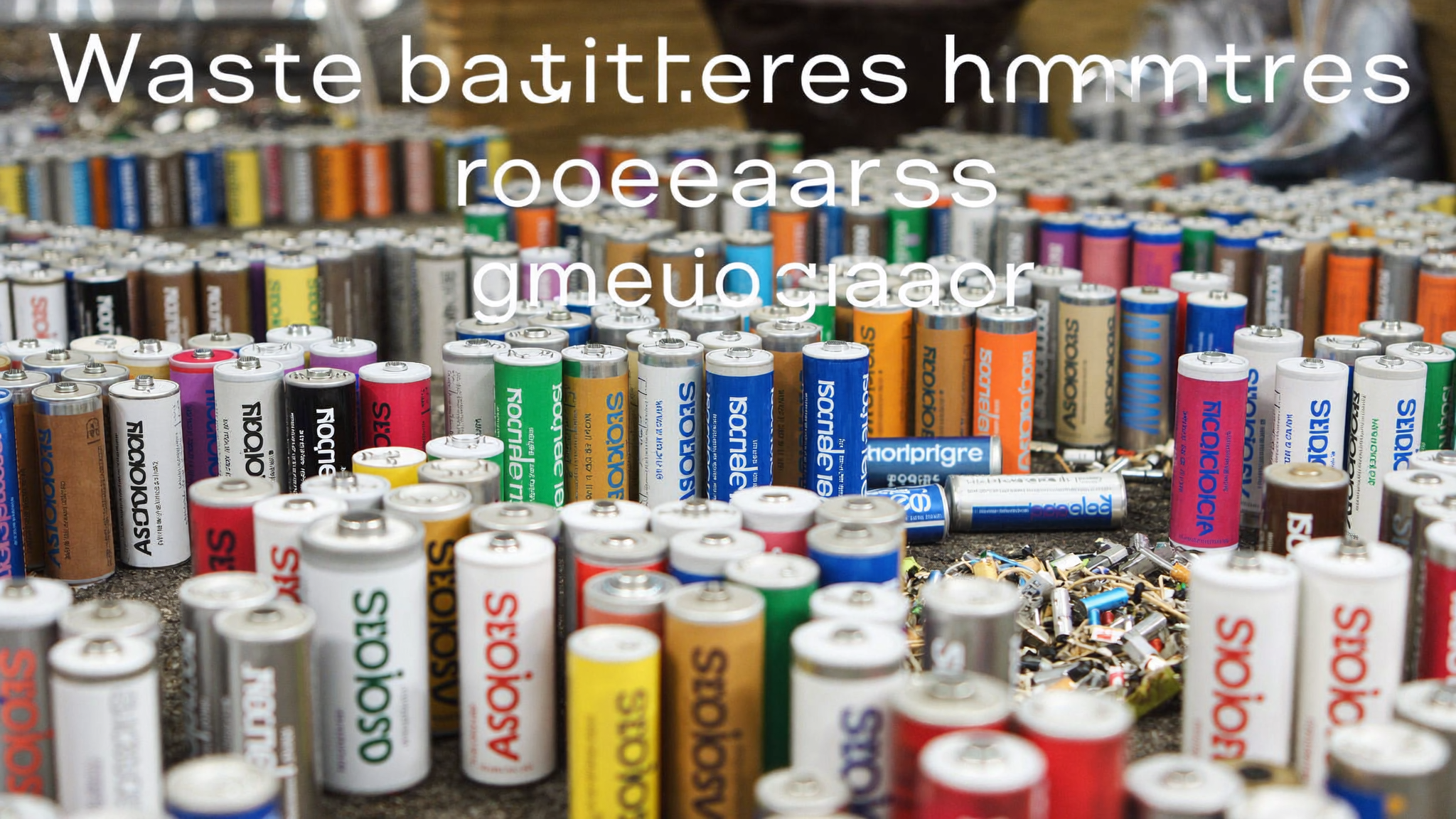
The UK Environment Agency recently released proposed guidance for managing waste batteries, aiming to improve safety and efficiency in permitted facilities that store or treat these collections. This development is important for electronics recyclers as it sets a new standard for handling hazardous materials.
What Does the Proposed Guidance Cover?
The Waste Batteries: Appropriate Measures for Permitted Facilities: Proposed Guidance outlines specific measures for safe storage, treatment, and disposal of waste batteries in permitted facilities. It addresses concerns such as fire risk management, chemical hazards, and environmental protection.
According to the WEEE Forum, over 5 billion mobile phones were estimated to be sitting unused in drawers worldwide in 2022.
According to the Environment Agency's proposal, waste battery handlers must now implement stricter safety protocols including regular inspections and emergency response plans. For instance, facilities need to ensure proper ventilation systems are installed to mitigate risks associated with flammable gases emitted by lithium batteries-a common issue given that 20% of all waste batteries in Europe are lithium-ion types (Battery Directive, EU).
How Does This Affect Electronics Recycling?
This guidance directly impacts the way electronics recyclers manage battery components within their processes. As part of compliance, facilities must segregate different types of batteries and provide secure containment to prevent leakage or combustion.
According to the WHO, e-waste contains over 1,000 different substances, many of them toxic.
Recyclers will need to invest in specialized equipment like fire suppression systems and waste segregation units to meet these new standards. For context, handling lithium-ion batteries is especially critical because they can pose a significant fire risk if not managed properly. A study by the Environment Agency found that nearly 10% of battery fires reported last year were linked to improper storage conditions in recycling facilities.
What Are the Key Safety Measures?
Facilities must adhere to guidelines for safe handling, such as providing personal protective equipment (PPE) and conducting training sessions on emergency procedures. Waste batteries: appropriate measures for permitted facilities: proposed guidance also need strong waste tracking systems to ensure compliance with environmental regulations and avoid penalties.
According to the US EPA, recycling one million laptops saves the energy equivalent of electricity used by 3,657 us homes in a year.
One key measure is the requirement for regular audits by certified third-party assessors. These checks will cover aspects like storage conditions, transportation methods, and disposal practices. Facilities failing these assessments could face severe penalties or closure orders from regulatory bodies.
How Can Recyclers Stay Ahead of Compliance?
To stay ahead of compliance requirements, recyclers should start engaging with environmental consultants who can help develop tailored safety protocols based on the latest guidance documents. Additionally, investing in employee training programs focused on battery management will be important for long-term success and safety.
Recycling centers should also look into partnerships with technology providers offering advanced waste tracking software to automate record-keeping processes. This not only streamlines operations but also reduces human error, ensuring continuous compliance with regulatory updates moving forward.
What Should Recyclers Do Now?
Firstly, recyclers need to review their existing practices against the proposed guidance and identify any gaps in current protocols. Next, they should engage stakeholders such as suppliers, customers, and environmental agencies for feedback on potential improvements.
Secondly, participating actively in public consultations organized by the Environment Agency is important. This can provide valuable insights into how Waste Batteries: Appropriate Measures for Permitted Facilities: Proposed Guidance will evolve based on industry input.
Lastly, staying informed about ongoing developments through resources like eCycling Central's guides and regulations section is vital. Links to relevant information include [right-to-repair](/guides/right-to-repair-what-it-means), [circular economy](/guides/circular-economy-and-electronics), and the [[WEEE Directive](/regulations/weee-directive-eu)](/regulations/weee-directive-eu).
By taking these steps, recyclers can ensure they remain compliant with evolving environmental standards while promoting sustainable practices in their operations.
Sources