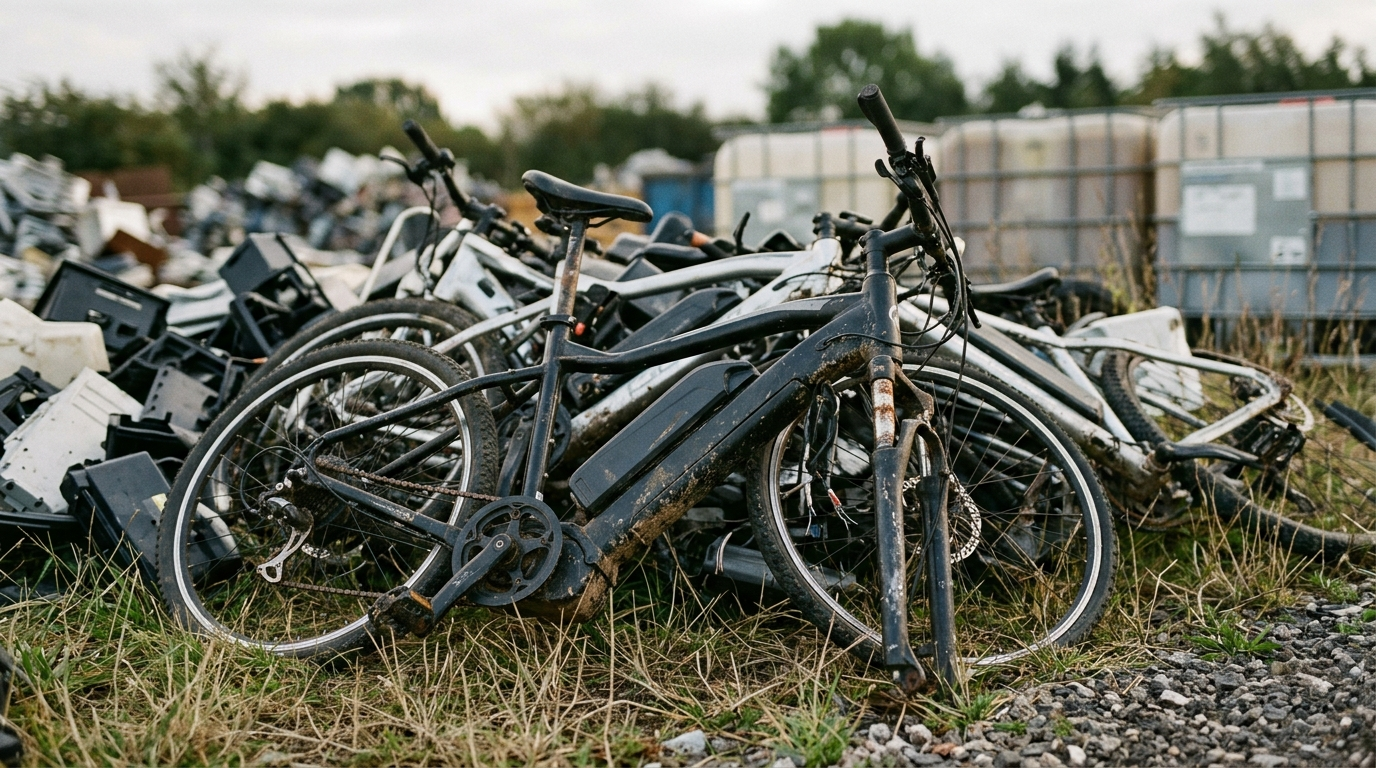
What's the significance of the Product Safety Report: AMYET G60 E-Bike (2605-0112) for those involved in electronics recycling and e-waste management? The report highlights a critical issue affecting the safety and environmental impact of e-bikes. Which are becoming increasingly popular due to their eco-friendly nature. With the rise of electronic devices like e-bikes, proper disposal and recycling practices become more important than ever.
Last reviewed by Samantha Holloway on 04 June 2026
How Does This Affect Electronics Recycling?
This report affects electronics recycling by highlighting the need for strong processes that can handle the unique challenges posed by lithium-ion batteries in products such as the AMYET G60 E-Bike. The rise of e-bikes means a surge in battery waste, which requires specialized treatment to prevent environmental damage and ensure resource recovery.
The Product Safety Report: AMYET G60 E-Bike (2605-0112) specifically addresses issues related to the lithium-ion batteries used in these bikes. These batteries pose significant risks if not disposed of properly due to their high energy density, which can lead to fires or environmental contamination.
According to the WHO, e-waste contains over 1,000 different substances, many of them toxic.
The report also highlights that only 22.3% of global e-waste is formally recycled each year, leaving a vast majority at risk for improper disposal and recycling practices. This statistic highlights the urgent need for better infrastructure and regulations to manage these products responsibly.
What Are the Environmental Risks?
Improper disposal of lithium-ion batteries from devices like the AMYET G60 E-Bike can lead to soil and water contamination, as these batteries contain heavy metals such as cobalt and nickel. These substances are hazardous when released into the environment, potentially affecting wildlife and human health.
The environmental risks associated with improper disposal include leaching of harmful chemicals into groundwater supplies, which is particularly problematic given that e-waste contains an average of 60 different elements per unit-each posing unique hazards if not managed correctly.
According to the US EPA, recycling one million laptops saves the energy equivalent of electricity used by 3,657 us homes in a year.
How Can We Ensure Safe Recycling Practices?
To ensure safe recycling practices for products like the AMYET G60 E-Bike, it's important to adhere to international standards such as the
WEEE Directive in Europe and the
Basel Convention globally. These regulations outline strict guidelines for handling hazardous materials found in electronic devices.
Recyclers should invest in advanced technologies that can safely dismantle e-bikes and extract valuable components without causing harm. For instance, urban mining techniques could help recover over 35kg of gold from just one million discarded smartphones, illustrating the potential economic benefits alongside environmental ones.
What Do Recyclers Need to Know?
Recyclers need to be aware of specific safety protocols for handling lithium-ion batteries and other hazardous materials within e-bikes. Training staff on these procedures is important to prevent accidents during disassembly and processing stages. Additionally, recyclers must stay informed about evolving regulations regarding battery disposal and recycling.
Understanding the composition of batteries in products like the AMYET G60 E-Bike can help recyclers implement more efficient and effective recovery methods. This knowledge is vital for maximizing resource extraction while minimizing environmental impact.
What Should Consumers Do Now?
Consumers should seek out certified e-waste recyclers who comply with local laws regarding
electronic waste disposal. By doing so, they contribute to safer handling of items like the AMYET G60 E-Bike and support a more sustainable approach to recycling.
For those looking for guidance on where to recycle their electronics responsibly, consulting resources such as the WEEE Directive or regional equivalents can provide clear direction. These guidelines often offer directories of approved recyclers in various countries.
According to the UN Global E-Waste Monitor 2024, only 22.3% of e-waste was properly collected and recycled in 2022.
What's Next?
As e-bikes become more prevalent, so too will the challenges and opportunities associated with recycling them. Future developments may include advancements in battery technology that reduce hazardous materials used or increase recyclability. Until then, focusing on current best practices and regulatory compliance remains key for all stakeholders involved in electronics recycling.
For further information on right-to-repair initiatives and circular economy principles, visit our guides on [right to repair](/guides/right-to-repair-what-it-means) and circular economy.
Sources
- WHO
- US EPA
- UN Global E-Waste Monitor 2024