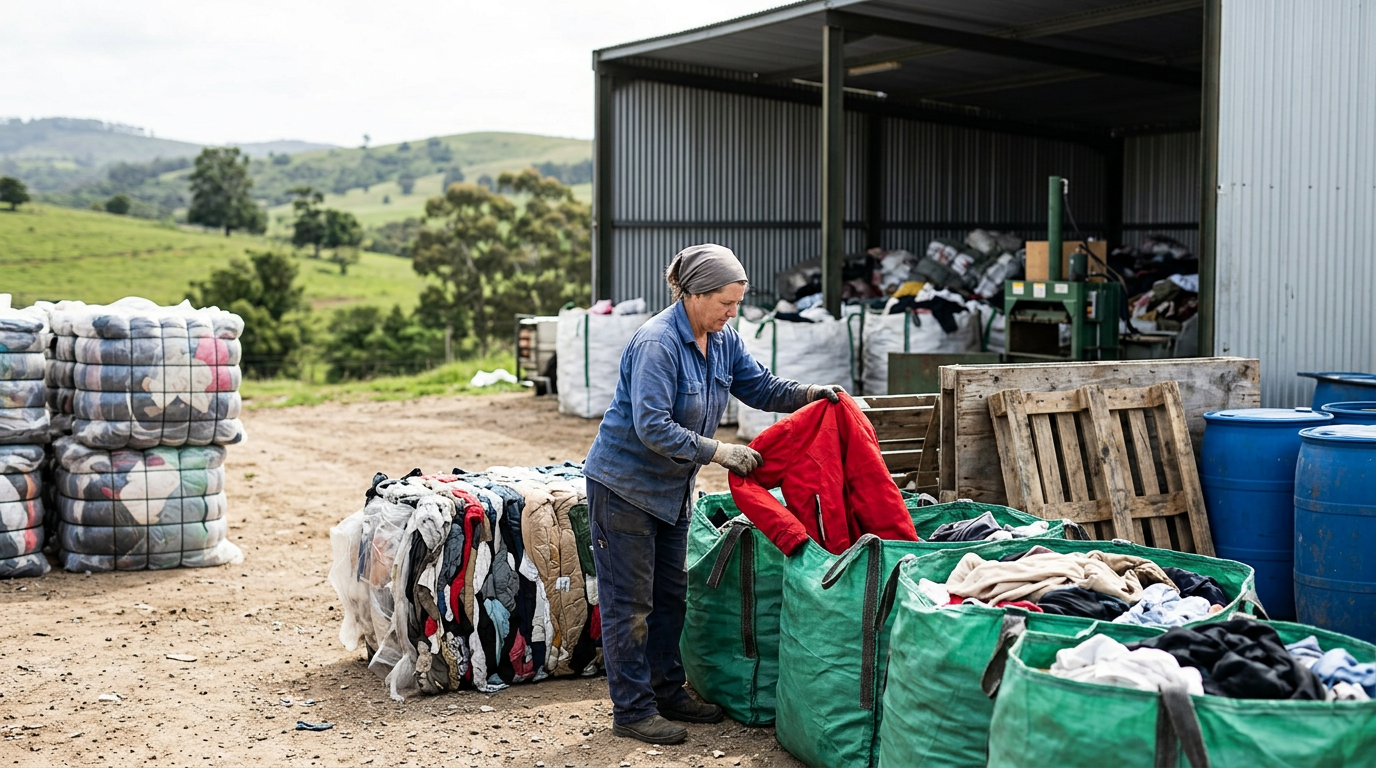
How does the recent update on Importing and exporting waste and non-waste textiles impact electronic recycling practices in June 2026? The update clarifies guidelines for distinguishing between waste and non-waste textiles. Directly affecting how materials are classified before import or export. This matters because it influences global trade regulations that can affect the flow of e-waste.
Last reviewed by Samantha Holloway on 03 June 2026
The UK Environment Agency updated its guidance on Importing and exporting waste and non-waste textiles in June 2026 to help businesses comply with international environmental standards. These changes could alter how companies handle electronic components that contain textile parts, like keyboard keycaps or speaker fabric covers. With global e-waste reaching 62 million tonnes per year (UN Global E-Waste Monitor 2024). Ensuring these materials are classified correctly can prevent illegal dumping and promote proper disposal.
What Are the Key Differences Between Waste and Non-Waste Textiles?
The distinction lies in the material's intended use. If a textile is being exported for reuse or repair, it falls under non-waste category. Conversely, if it's destined for recycling or disposal, it's considered waste. This classification helps avoid penalties from EU regulations like the
[WEEE Directive](/regulations/weee-directive-eu) (65% collection target) and ensures compliance with international laws such as the
Basel Convention.
In June 2026, companies must adhere to these classifications strictly when exporting e-waste components that include textiles. For instance, a computer keyboard being sent for repair or refurbishment shouldn't be categorized as waste even if it contains textile parts. Conversely, keyboards exported solely for recycling purposes would fall under the waste category.
How Does This Affect Electronics Recycling?
The update affects how electronics recyclers manage and classify items that contain textiles. For example, a smartphone with leather accents must now be evaluated based on its final destination to ensure compliance. If being sent abroad for refurbishment or resale, it remains non-waste; if headed to recycling facilities, it's waste.
This classification impacts the global trade of electronics parts significantly. In 2026, as countries like the EU and US generate millions of tonnes of e-waste annually (6.92 million in the US alone), proper categorization ensures that textiles within these devices are handled responsibly according to international laws.
According to the Counterpoint Research, The global refurbished smartphone market was worth $49.3 billion in 2023.
What Are the Legal Implications for Non-Compliance?
Non-compliance with Importing and exporting waste and non-waste textiles regulations can result in hefty fines and legal consequences under EU and other jurisdictions' environmental laws. For instance, a company found guilty of misclassifying textiles could face penalties up to £50,000 or more per violation (Environment Agency guidelines).
Companies should review their practices for categorizing electronics that include textile components to avoid these risks. Ensuring accurate documentation and adherence to international regulations is important.
How Can Recyclers Stay Compliant with New Regulations?
To stay compliant, recyclers need to implement strong tracking systems for materials containing textiles. They must also train staff on the latest guidelines and work closely with environmental agencies like the UK Environment Agency. Additionally, using certified third-party auditors can help verify compliance.
Recycling facilities should integrate these practices into their standard operating procedures to ensure ongoing adherence to new regulations. By doing so, they not only avoid legal issues but also contribute positively to global sustainability efforts.
What Should Recyclers Do Now?
To adapt to the new guidelines on Importing and exporting waste and non-waste textiles, recyclers should start by reviewing current classifications of electronic items containing textiles. They must ensure that materials are correctly categorized as either waste or non-waste based on their intended use abroad.
recyclers can consult with environmental experts or legal advisors specializing in international trade laws to stay informed about any updates and changes. Engaging in these proactive measures will help maintain compliance and avoid potential penalties.
According to the UN Global E-Waste Monitor 2024, The value of raw materials in global e-waste was estimated at $91 billion in 2022.
For more information on e-waste management practices and regulations, visit eCycling Central.
Sources
- Counterpoint Research
- UN Global E-Waste Monitor 2024
- Shift Project