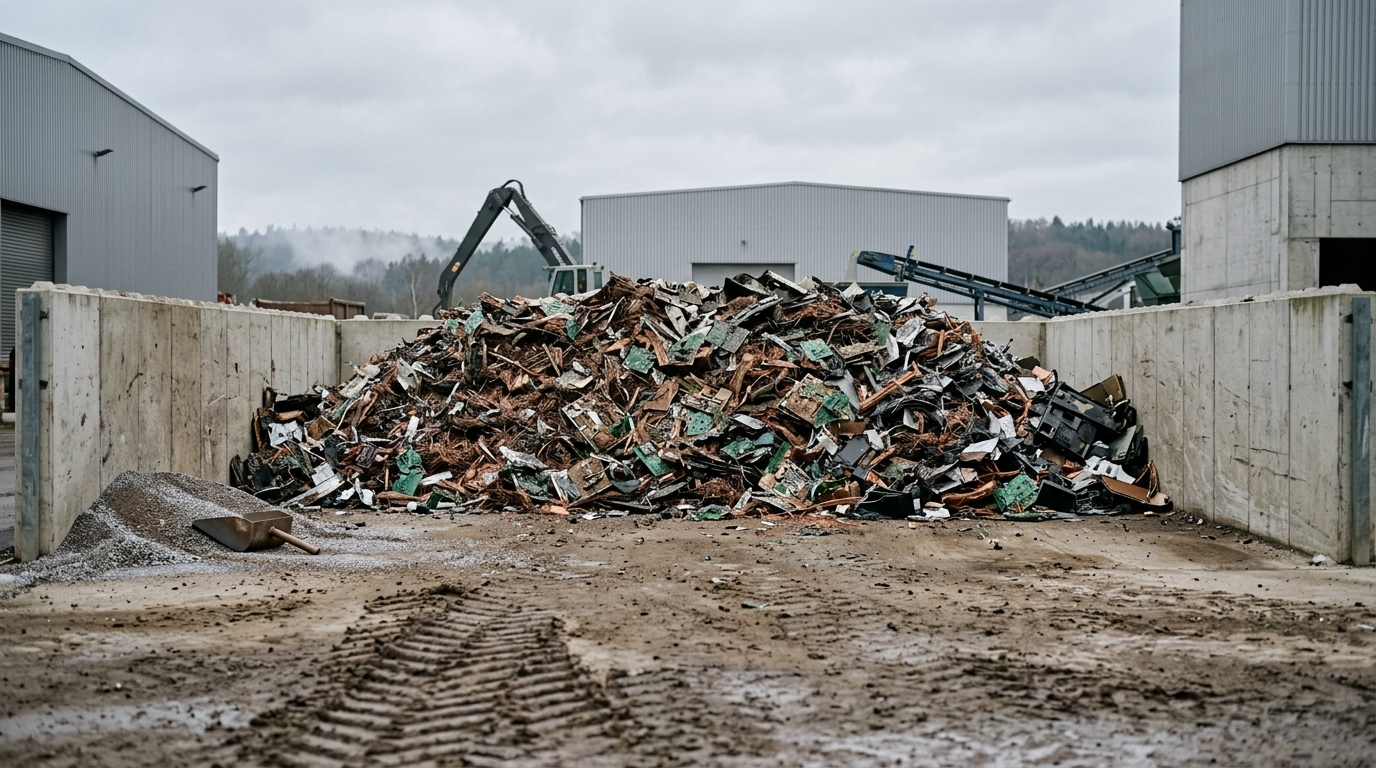
Europe could recover up to 1.5m tonnes of critical raw materials from WEEE by 2050 according to EUWID Recycling and Waste Management, indicating a significant potential for recycling precious metals and other valuable resources.
Last reviewed by Samantha Holloway on 26 May 2026
In May 2026, Europe's push toward sustainable electronics recycling highlights the growing importance of recovering critical raw materials from waste electrical and electronic equipment (WEEE). Europe could recover up to 1.5m tonnes of critical raw materials from WEEE by 2050 - EUWID Recycling and Waste Management This recovery could yield substantial economic benefits by reducing reliance on imported minerals. The EU aims to meet its WEEE collection target of 65% of electronics placed on the market.
What Does This Mean for Electronic Recycling?
Europe's ambitious goal shows a shift toward more sustainable practices in recycling, aiming to extract valuable materials from WEEE. By targeting specific recovery rates, it sets benchmarks for other regions globally.
The EUWID report emphasizes that recovering critical raw materials is important as global definition of e-waste production continues to grow-reaching an estimated 62 million tonnes per year according to the UN Global E-Waste Monitor 2024. Only around 22.3% of this waste is formally recycled, highlighting a vast untapped resource.
How Can This Impact Resource Extraction?
The recovery of critical raw materials from WEEE can significantly reduce the need for virgin mining, which is both costly and environmentally damaging. For example, recycling one million smartphones could recover over 35kg of gold, 340kg of silver, and 15kg of palladium.
This approach not only addresses environmental concerns but also supports economic sustainability by reducing dependency on imported materials that often come from politically unstable regions or conflict zones.
What Are the Environmental Benefits?
Reducing reliance on primary mining for critical raw materials decreases the environmental footprint associated with resource extraction. Mining activities typically lead to habitat destruction, water pollution, and greenhouse gas emissions.
recycling electronics helps divert waste from landfills, reducing the likelihood of hazardous substances leaching into soil and groundwater. With global e-waste projected to reach 74 million tonnes by 2030, sustainable practices like those outlined in Europe could have a substantial positive impact on environmental conservation efforts worldwide.
What Are The Challenges To Achieving These Goals?
Despite the clear benefits, achieving these ambitious goals presents several challenges. One major issue is improving collection infrastructure and consumer participation rates. Currently, only about 22.3% of global e-waste is formally recycled, indicating a significant gap in effective recycling systems globally.
technological advancements are needed to improve the efficiency and cost-effectiveness of WEEE processing technologies. Innovations that enhance recovery methods will be important for scaling up operations to meet future targets.
What Should People Do Now To Support These Goals?
Individuals can contribute by ensuring they properly dispose of their electronic waste through certified recycling facilities rather than throwing it in the trash. At Europe could recover up to 1.5m tonnes of critical raw materials from WEEE by 2050 - EUWID Recycling and Waste Management, supporting manufacturers who adhere to regulations like the WEEE Directive and implementing circular economy principles also helps drive industry towards more sustainable practices.
For businesses, investing in strong collection networks and partnering with reputable recyclers that meet environmental standards can significantly boost recovery rates. Governments and policymakers should continue to enforce stringent recycling targets and provide incentives for innovation within the recycling sector.
By taking these steps collectively, stakeholders across all levels can work towards meeting Europe's ambitious goals and contribute to a more sustainable future for electronic waste management globally.
According to the WHO, improper e-waste disposal releases toxic substances including lead, mercury, and cadmium into soil and water.
For further information on related topics like right-to-repair initiatives or battery recycling practices, visit our dedicated guides at ecyclingcentral.com.
Sources
- WHO
- UN Global E-Waste Monitor 2024
- European Parliament