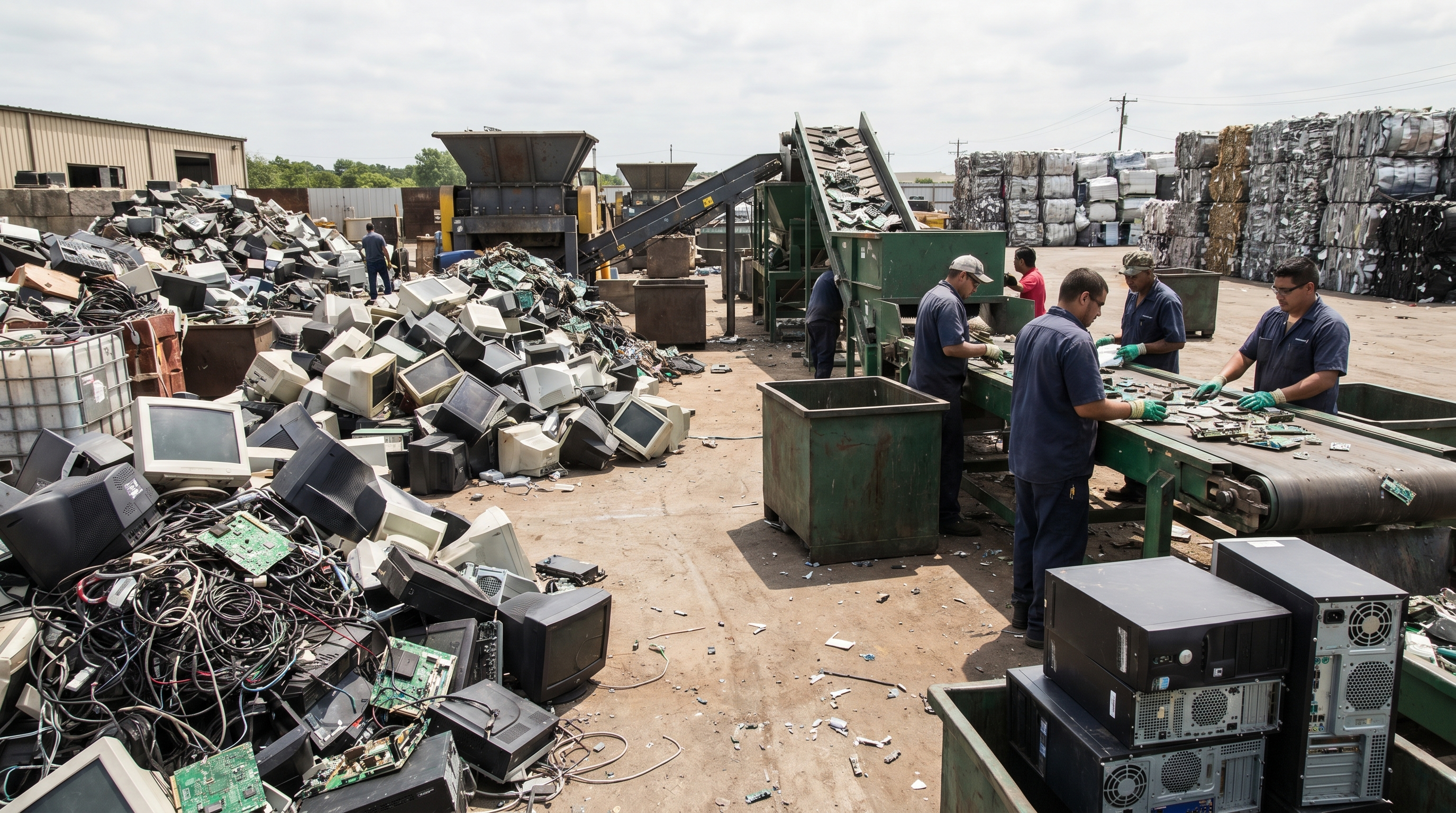
ESG Risk Briefing - Electronic waste) | AGCS - Allianz Commercial reports that in May 2026, the global generation of e-waste will reach unprecedented levels, with an estimated 62 million tonnes produced annually worldwide (UN Global E-Waste Monitor 2024). This surge highlights the critical need for responsible electronics recycling practices to mitigate environmental and health risks.
What Does the ESG Risk Briefing - Electronic waste | AGCS Report Highlight?
The report highlights that only 22.3% of e-waste is formally recycled worldwide, emphasizing a significant gap in current recycling infrastructure (UN Global E-Waste Monitor 2024). This means that nearly three-quarters of discarded electronics end up in landfills or are informally processed, posing serious environmental and health risks.
According to the WEEE Forum, over 5 billion mobile phones were estimated to be sitting unused in drawers worldwide in 2022.
How Does This Affect Electronics Recycling?
This report affects electronics recycling by highlighting the urgent need for better collection and processing systems. The low formal recycling rate indicates a lack of adequate facilities and regulations to handle e-waste responsibly. For instance, in the US alone, 6.92 million tonnes of e-waste are generated annually (UN Global E-Waste Monitor 2024), emphasizing the scale of the issue.
What Are the Environmental Impacts?
The environmental impacts include soil contamination and water pollution from toxic substances like lead, mercury, and cadmium found in electronics. Informal recycling methods often involve burning cables to recover copper or dumping circuit boards into rivers, severely harming local ecosystems (UN Global E-Waste Monitor 2024).
What Are the Health Risks?
Health risks are substantial due to exposure to hazardous materials during informal e-waste processing. Workers and nearby communities face respiratory issues. Neurological damage, and increased cancer risk from toxic fumes and leachate (World Health Organization). For example, workers in Guiyu, China, a notorious e-waste recycling hub, have experienced high levels of blood lead poisoning.
According to the WHO, e-waste contains over 1,000 different substances, many of them toxic.
What Are the Economic Opportunities?
Despite the challenges, there are significant economic opportunities. E-waste contains valuable metals such as gold, silver, and palladium. Recycling these materials can be highly profitable; for instance, 1 million phones contain 35 kg of gold and 340 kg of silver (UN Global E-Waste Monitor 2024). Urban mining-recovering precious metals from discarded electronics-is becoming a lucrative industry.
What Are the Regulatory Efforts?
Regulatory efforts to address e-waste are increasing. At ESG Risk Briefing - Electronic waste | AGCS - Allianz Commercial, the EU's WEEE Directive sets a target for member states to collect and recycle at least 65% of electrical and electronic equipment put on the market (EU WEEE Directive). However, compliance remains a challenge across different regions.
How Can Individuals Contribute?
Individuals can contribute by properly disposing of e-waste through certified recycling programs. They should also support manufacturers who adhere to environmental standards like RoHS (Restriction of Hazardous Substances) and encourage the adoption of circular economy principles. For example, the right-to-repair movement encourages consumers to repair rather than replace devices (eCycling Central).
According to the US EPA, recycling one million laptops saves the energy equivalent of electricity used by 3,657 us homes in a year.
What Should Businesses Do?
Businesses should implement sustainable practices that align with ESG goals. This includes extending product lifespans through better design, offering take-back programs for end-of-life products, and investing in recycling infrastructure (ESG Risk Briefing - Electronic waste | AGCS - Allianz Commercial). Companies can also collaborate with recyclers to ensure responsible disposal of e-waste.
What Are the Next Steps?
The next steps involve raising awareness about proper e-waste disposal methods and supporting policies that promote sustainable practices. Individuals should look into local e-recycling centers, while businesses must consider environmental impact in their supply chain decisions (eCycling Central). Additionally, governments need to enforce stricter regulations on e-waste management.
By taking these actions now, we can reduce the harmful effects of e-waste and create a more sustainable future for electronics recycling.
Sources