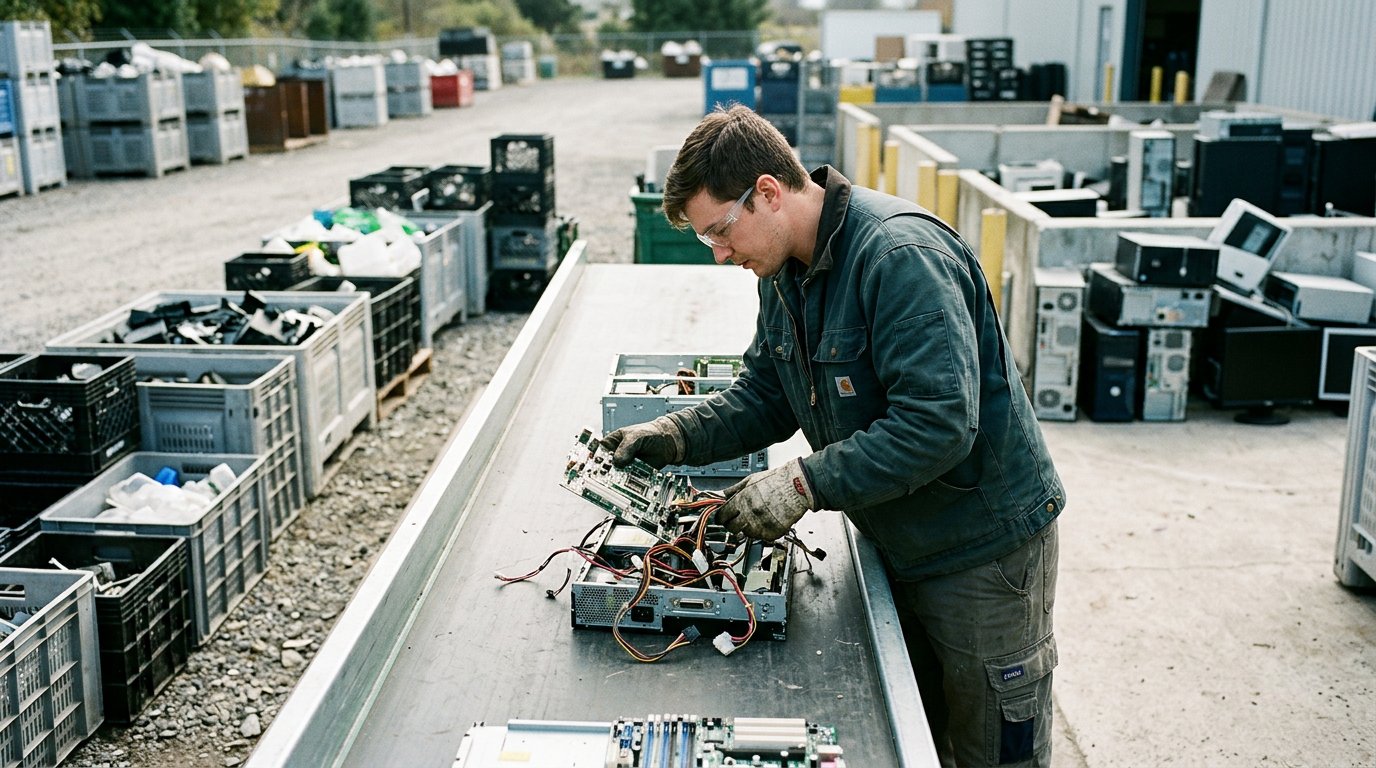
Creating value in a circular economy - KPMG highlights the significant potential for recycling electronics to reduce waste and recover valuable materials, benefiting both businesses and consumers. The report emphasizes how embracing a circular approach can lead to substantial savings in raw material costs and environmental benefits.
What's Creating Value in a Circular Economy?
Creating value in a circular economy involves transforming traditional linear business models into ones that focus on reusing, repairing, refurbishing, and recycling materials and products. According to KPMG's report, this shift could save businesses $4.5 trillion by 2030.
According to the UN Global definition of e-waste Monitor 2024, The world generated 62 million tonnes of e-waste in 2022, up 82% from 2010.
How Does This Affect Electronics Recycling?
This approach means electronics companies must rethink their product design and manufacturing processes. By reducing the use of hazardous substances and making devices easier to repair or recycle, they can significantly lower costs and environmental impact. The global e-waste figure stands at 62 million tonnes annually (UN Global E-Waste Monitor 2024), emphasizing the need for better recycling practices.
What Are the Legal Requirements?
Legal frameworks like the EU's WEEE Directive mandate that companies collect a minimum of 65% of electronics placed on the market. This regulation ensures that businesses comply with waste management requirements, thereby reducing environmental pollution and promoting sustainable resource use.
How Do Consumers Benefit from Circular Economy Initiatives?
Consumers benefit through increased access to affordable repairs and refurbished products, as well as better information about product lifespans and material contents. For example, the average smartphone contains over 60 different elements, many of which are rare or expensive; recycling these devices can help preserve these resources.
According to the European Parliament, less than 1% of rare earth elements in e-waste are currently recycled.
What Challenges Do Companies Face?
Companies face challenges such as high initial costs for redesigning products and setting up new recycling systems. However, long-term benefits in terms of reduced material sourcing costs and improved brand reputation often outweigh these upfront expenses. Additionally, the growing awareness around sustainability issues among consumers is driving companies to adopt more circular practices.
How Can Individuals Participate?
Individuals can participate by choosing to buy refurbished electronics or donating their old devices for recycling rather than discarding them in regular trash bins. By doing so, they contribute to reducing e-waste and help recover valuable materials like gold (1 million phones contain 35kg) and silver (340kg).
What Should We Do Now?
To start contributing positively towards a circular economy. At Creating value in a circular economy - KPMG, individuals should take advantage of local recycling programs for electronics, batteries, and solar panels. Businesses can look into partnerships with certified recyclers to manage their e-waste responsibly. Educating oneself about the benefits of urban mining-recovering valuable metals from discarded devices-is also important.
According to the WEEE Forum, over 5 billion mobile phones were estimated to be sitting unused in drawers worldwide in 2022.
By taking these steps, we all play a part in reducing environmental impact and ensuring that resources are used more efficiently, aligning with global initiatives like the Basel Convention and RoHS regulations. For more information on how to recycle specific items safely and sustainably, visit our guides on [right-to-repair](/guides/right-to-repair-what-it-means), circular economy and electronics, and WEEE Directive.
Sources
- UN Global E-Waste Monitor 2024
- European Parliament
- WEEE Forum