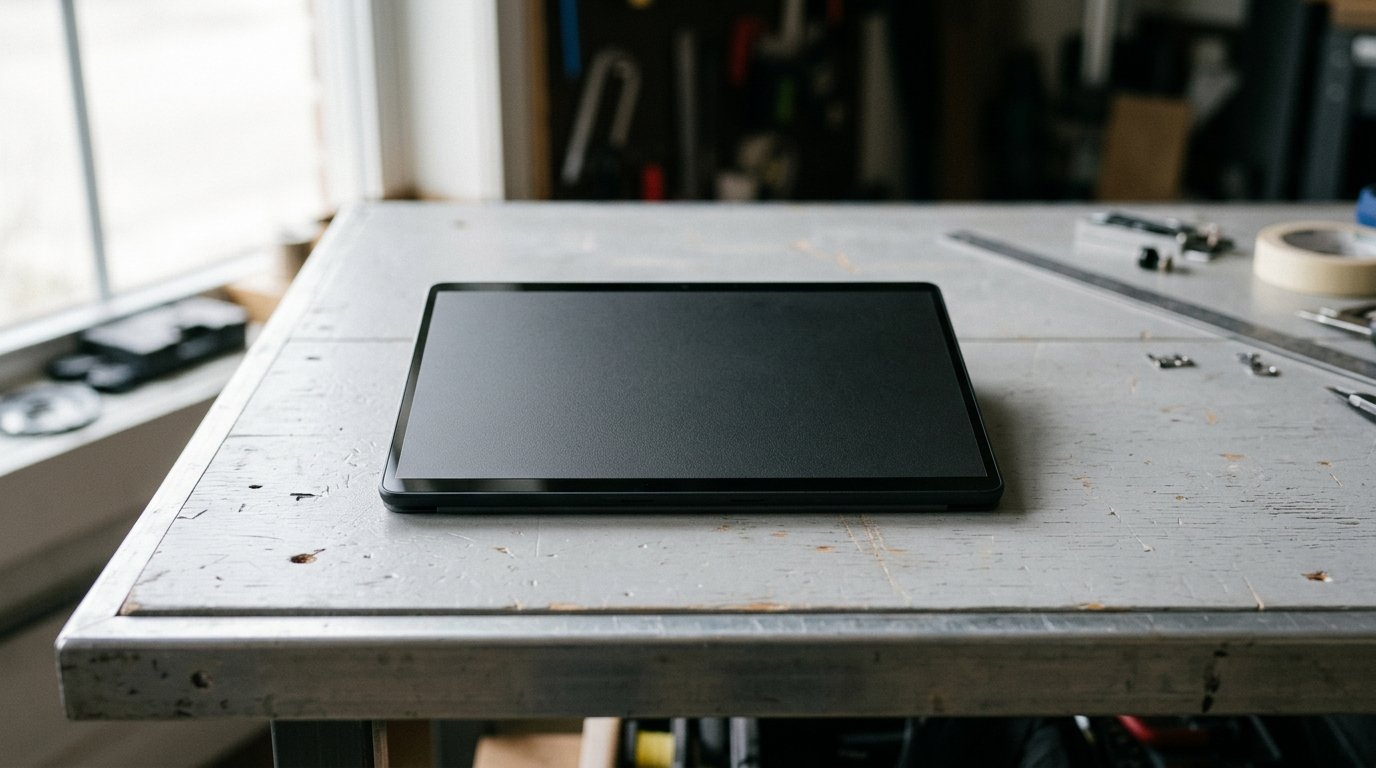
## What Is the Surface Pro 10 Worth Now?
The current trade-in value for a Surface Pro 10 ranges from $300 to $650, depending on its condition and features. When it was new in 2024, the original price was $1099 USD. The value drops significantly based on how well you've maintained your device: "like new" units can fetch up to 85% of their original value, while those in good condition might get around 70-85%. Devices rated as fair will likely trade for less than half the original price, and broken devices could offer even lower returns.
## How to Wipe Data Before Recycling the Surface Pro 10
To ensure your data is secure before recycling or trading in a Surface Pro 10, follow these steps:
1. Back up all personal data to an external hard drive, cloud service, or another computer.
2. Remove all user accounts from the device under Settings > Accounts > Your info.
3. Perform a [factory reset](https://ecyclingcentral.com/guides/how-to-factory-reset-any-device-before-trading-in) through Settings > General Management > Reset > Factory Data Reset.
4. If you have a microSD card installed, remove it and wipe its data separately.
Wiping your data is important to protect sensitive information before recycling or trading in your Surface Pro 10.
## Where to Recycle or Trade In the Surface Pro 10
Recycling options for a Surface Pro 10 include Microsoft's official trade-in programme, third-party resellers such as [Decluttr](https://ecyclingcentral.com/recyclers/decluttr) and [Back Market](https://ecyclingcentral.com/recyclers/back-market-refurbished), and major retail chains like Best Buy (US) and Currys PC World (UK). These programmes offer cash or store credit depending on the condition of your device. For devices with no trade-in value, certified [e-waste definition](https://ecyclingcentral.com/glossary/e-waste) recyclers are available to handle proper disposal.
## What Materials Are Recovered from the Surface Pro 10?
The Surface Pro 10 contains valuable materials like aluminum, cobalt, lithium, gold, copper, and glass. Weighing in at 895 grams, each device has a small but significant amount of these materials. Aluminum is used for making new electronics, while cobalt goes into batteries. Lithium from the battery can be reused to make other rechargeable devices. Gold is often recovered for use in jewelry or electronics circuits, and copper finds its way back into wiring and circuit boards. Glass components are recycled into various products like insulation or new display screens.
## Environmental Impact of Recycling vs Landfill
Recycling a Surface Pro 10 has far fewer environmental impacts than sending it to landfill. Mining one tonne of gold from ore produces about 18,000 tonnes of waste-recovering gold from circuit boards is up to 80 times more efficient. A single smartphone contains roughly $1-2 worth of recoverable precious metals and [rare earth elements](https://ecyclingcentral.com/guides/rare-earth-elements-in-electronics). Disposing of lithium batteries in landfills can lead to toxic chemical leaks into groundwater and even cause fires due to the battery's energy potential.
By recycling your Surface Pro 10, you help conserve natural resources and reduce pollution from mining new materials.
Recommended gear for this guide
Independent picks reviewed by eCycling Central's editorial team. Last checked: May 2026. Links are affiliate (we may earn a commission at no cost to you).
Specs: Tested + certified, 1yr guarantee
Typical price: £299-£1,299
Why it matters: premium Windows laptops at refurbished pricing; corporate trade-ins often have <2 years use
Specs: 64 precision bits + spudgers + suction handles
Typical price: £59-£79
Why it matters: the standard kit for opening every phone, laptop, tablet and games console made since 2010; supports [right-to-repair](https://ecyclingcentral.com/guides/right-to-repair-what-it-means)
Specs: 70W, digital temperature control, ESD-safe
Typical price: £99-£139
Why it matters: professional soldering iron used by repair shops worldwide; lasts 10+ years; recyclable tip cartridges
Specs: 17 bits + ratcheting handle, German-made
Typical price: £49-£69
Why it matters: fits 99% of household appliance fasteners; lifetime tool - won't strip screws like cheap sets
## Surface Pro 10: complete recycling + trade-in guide (2026-05-20)
### Trade-in vs recycle decision
Use this matrix to decide:
| Device condition | Best route | Typical net value |
|---|---|---|
| Working, 0-2 years old | Manufacturer trade-in or carrier upgrade | 35-65% of MSRP |
| Working, screen damaged but functional | eBay / Swappa / Music Magpie | 20-45% of MSRP |
| Working, 2-4 years old | Music Magpie / BackMarket buyback | 15-25% of MSRP |
| Working, 4-6 years old | Specialist refurbisher | 5-15% of MSRP |
| 6+ years old OR not working | Certified recycler (free) | $0 but avoided landfill fines |
Compare 7 buyback prices for Surface Pro 10 in 30 seconds via our [Trade-In Best Price Finder](/tools/trade-in-best-price-finder).
### Data sanitisation steps
1. **Sign out of all cloud services** - Apple ID, Google account, Microsoft account, Samsung account. For Apple devices, removing iCloud lock is mandatory or the next owner can't activate.
2. **Factory reset via Settings menu**:
- iOS: Settings → General → Transfer or Reset → Erase All Content
- Android: Settings → System → Reset → Factory data reset
- Windows: Settings → System → Recovery → Reset this PC → Remove everything
- macOS: Apple menu → System Settings → General → Transfer or Reset
3. **Verify the reset completed** - powered-on device should land on setup-from-scratch screen.
4. **For sensitive data**: factory reset alone is insufficient for SSDs (drive may retain recoverable data). Use a certified [ITAD](https://ecyclingcentral.com/guides/it-asset-disposition-itad-explained) provider with [data sanitisation standard](https://ecyclingcentral.com/guides/nist-800-88-data-sanitisation-standards) Purge. See [Hard Drive Destruction Cost Calculator](/tools/hard-drive-destruction-cost-calculator).
### Recoverable materials
Smartphones + tablets like Surface Pro 10 contain (per Apple environmental reports + iFixit teardowns):
- **Aluminium frame**: 1-3% mass recovered at certified processors
- **Copper wiring**: 60-80% recovery rate
- **Gold + silver in connectors**: 35-65% recovery
- **Lithium-ion battery**: must be separated stream (fire risk in mixed loads)
- **Rare earth magnets** in speakers + haptics: limited recovery economically
Total recoverable material value per smartphone-class device: $1.50-$4.20 at current commodity prices. Look up live value via our [Scrap Value Calculator](/tools/scrap-value-calculator).
### Manufacturer programs available
Most major device brands offer free recycling for their own devices:
- **[Apple Trade In](https://ecyclingcentral.com/recyclers/apple-trade-in-and-recycling)** - free shipping, in-store credit or gift card payout
- **Samsung Recycle Direct** - free mail-in, gift card payout
- **Google Pixel Trade-In** - free mail-in, instant credit
- **Microsoft Trade-In** - via authorised partners, gift card payout
- **Dell Reconnect** (US) - free in-store via Goodwill partnership
- **HP Planet Partners** - free mail-in label
For full verified list per device brand: [Manufacturer Take-Back Finder](/tools/manufacturer-takeback-finder).
### Compliance + penalties
Personal data on a disposed device that isn't properly sanitised exposes the original owner to GDPR / state privacy law liability:
- **UK GDPR + EU GDPR Art 32**: appropriate technical + organisational measures - penalties up to £17.5M / €20M or 4% global turnover
- **US state laws** (CCPA, NY SHIELD Act, CO CDPA): per-incident penalties $2,500-$7,500
- **HIPAA** (US healthcare): per-incident penalties $137-$68,928 + per-record $137-$2,134
For any data-bearing device, request a Certificate of Destruction or use a free template via [GDPR Data Erasure Certificate Generator](/tools/gdpr-erasure-certificate-generator).
### Frequently asked questions
**Can I sell Surface Pro 10 if it's still on the carrier blocklist?**
No - blocked devices have negligible resale value and reputable buyback services reject them. Contact the original carrier to remove the block first (verify with original purchase records). If blocked due to non-payment, settle the account before listing.
**What about devices with broken screens but working internals?**
Refurbishers like Music Magpie + BackMarket pay 40-60% of working-condition value for broken-screen devices. Worth listing - the screen swap costs them $30-$80 wholesale.
**Should I remove the battery before recycling?**
No - certified recyclers want intact devices. Manual battery removal risks puncture + lithium-ion fire. Loose batteries also need separate hazmat shipping stream.
### Related tools + guides
- [Trade-In Best Price Finder](/tools/trade-in-best-price-finder) - compare 7 buyback services
- [Manufacturer Take-Back Finder](/tools/manufacturer-takeback-finder) - direct-to-brand programmes
- [Scrap Value Calculator](/tools/scrap-value-calculator) - live commodity-price recovery estimate
- [Hard Drive Destruction Cost Calculator](/tools/hard-drive-destruction-cost-calculator) - for data-sensitive devices
---
*Device data verified against manufacturer environmental reports + iFixit repairability database + current commodity prices as of 2026-05-20. Operated by Defining Style Limited (UK Companies House 10572391, ICO Registration ZA711914).*